How Many Training Sessions Per Day? Structuring a Productive Routine for your Dog
Ever noticed how some dogs seem to grasp commands effortlessly while others struggle? The frequency of training sessions might be the key. According to recent studies, shorter, multiple daily training sessions significantly outperform one long session in terms of effectiveness.
Historically, dog training has evolved from rigid, singular sessions to more flexible, frequent interactions. A study conducted by the American Kennel Club found that dogs benefit more from 3-5 short training sessions per day. This approach not only improves retention but also strengthens the bond between the trainer and the dog.
The optimal number of training sessions for a dog ranges from 3 to 5 short sessions per day. Each session should last between 5 to 10 minutes to maintain the dog’s focus and engagement. This routine helps in better retention and reinforcement of commands.
How Many Training Sessions Per Day? Structuring a Productive Routine for your Dog
Determining the right number of training sessions for your dog is essential for effective learning. Research suggests that shorter, more frequent sessions are better than long, sporadic ones. Most experts recommend 3 to 5 training sessions per day, each lasting about 5 to 10 minutes. This structure not only keeps your dog engaged but also prevents them from becoming overwhelmed.
Breaking up training into smaller increments helps maintain your dog’s focus. Dogs have relatively short attention spans, especially younger ones. Short sessions minimize the risk of frustration for both the dog and the trainer. Furthermore, regular breaks between sessions allow your dog to process and retain new information more effectively.
Every dog is different and may respond uniquely to training schedules. Consider your dog’s breed, age, and temperament when planning sessions. Puppies, for instance, have shorter attention spans and may benefit from even shorter, more frequent sessions. Older dogs might handle slightly longer sessions but still need consistent practice.
To maximize the effectiveness of your dog’s training routine, incorporate variety in each session. Use different commands, environments, and rewards to keep things interesting. Consistency is key, but variety enhances engagement and learning. Don’t forget to end each session on a positive note, reinforcing good behavior with treats, praise, or playtime.
Morning Dog Training Routine To Do Everyday

Finding the Sweet Spot: Ideal Number of Daily Training Sessions for Various Dog Breeds
Different dog breeds have varied learning capabilities and energy levels. For high-energy breeds like Border Collies and German Shepherds, several short sessions throughout the day are best. These breeds thrive on mental stimulation and need frequent engagement. Three to five sessions a day, lasting around 10 minutes each, is usually effective.
For smaller or less energetic breeds such as Bulldogs or Shih Tzus, fewer sessions might be more appropriate. These dogs can benefit from just two or three training sessions per day. Each session can be 5 to 10 minutes long, ensuring they stay interested without becoming too tired. Varying the types of exercises can also help maintain their focus.
Puppies, regardless of breed, generally require shorter but more frequent sessions. Their attention span is limited, so keep training times under 5 minutes per session. Conducting these sessions multiple times a day, about 3 to 5 times, helps establish routines and positive habits early on. As they grow, their capacity for longer sessions will increase.
Older dogs might also need tailored training schedules. They can handle longer sessions but might not need as many throughout the day. Depending on their energy levels and health, 1 to 3 sessions per day can be sufficient. Monitoring their response and adjusting the training routine is key to finding the perfect balance.
Benefits of Multiple Short Sessions Over Longer, Infrequent Ones
Short training sessions can be more effective than long, infrequent ones. When dogs train in short bursts, they tend to retain information better. These brief sessions allow dogs to stay focused and engaged. A dog’s attention span is limited, so keeping training concise helps improve concentration and learning.
Frequent short sessions also help reinforce desired behaviors consistently. Consistent practice helps build habits in dogs, making commands more automatic over time. This method also reduces stress and frustration for both the dog and the trainer. The dog has less chance to become overwhelmed or bored, which can happen in longer sessions.
Multiple short sessions fit more easily into daily routines, making training a regular part of life. Trainers can incorporate these sessions during walks, before meals, or even playtime. This integration helps dogs associate training with positive experiences. It also ensures that training is flexible and more likely to fit into busy schedules.
Another significant advantage is the ability to address different skills in each session. For example, one session can focus on sit and stay commands, while another can address recall or leash manners. This variety keeps the training interesting and comprehensive. Dogs respond better when they are challenged in new and engaging ways.
Key Components of an Effective Training Session
Preparation is the first key component of any effective training session with your dog. Before starting, gather all necessary items such as treats, toys, and a clicker if you use one. Ensure the training environment is free from distractions. A calm, quiet space helps your dog stay focused. Having everything ready means you can keep your dog’s attention throughout the session.
Consistency in commands and methods is crucial for effective training. Always use the same words for specific actions to avoid confusing your dog. For example, choose either “sit” or “down” for a command and stick to it. Consistency extends to the way you reward and correct behaviors as well. This ensures your dog understands exactly what you expect.
Maintaining a positive reinforcement strategy is highly effective for dog training. Reward your dog immediately after they perform the desired action. Positive reinforcement can include treats, praise, or play. This approach makes learning enjoyable and motivates your dog to repeat the behavior. Avoid using punishment, as it can lead to fear and anxiety.
Timing is another essential component. Each training session should be short and sweet, ideally lasting 5 to 10 minutes. This helps maintain your dog’s interest and energy. Short sessions can be repeated several times a day. Quick, frequent training is more effective than long, infrequent sessions.
Ending each session on a positive note leaves a lasting impression on your dog. Finish with a command your dog knows well. Reward them generously when they complete it. This ensures the session ends with success, making your dog eager for the next training. Positive endings create a positive association with training overall.
Rewards and Reinforcements: Balancing Praise and Correction
Using rewards and reinforcements is a fundamental part of dog training. Dogs respond well to positive reinforcement, which involves rewarding them when they perform a desired behavior. Treats, praise, and toys are common rewards. Giving these immediately after the action helps your dog understand what they did right. This encourages them to repeat the behavior.
It’s important to strike a balance between praise and corrections. While rewards are vital, corrections help your dog understand what behaviors are unacceptable. Use a firm “no” or a gentle redirection to guide them back on track. Avoid harsh punishments, as they can harm your relationship and create fear. The goal is to teach, not to intimidate.
Positive reinforcement should always be the primary strategy. However, corrections are necessary when your dog engages in dangerous or problematic behavior. Make sure corrections are consistent and fair. Your dog needs to trust that the rules remain the same in every situation. Mixing inconsistent messages can confuse them.
Timing is crucial for both rewards and corrections. Immediate feedback is most effective as dogs live in the moment. If too much time passes, they may not understand what they are being rewarded or corrected for. Quick, clear responses help reinforce learning. Your dog will associate the feedback with their recent actions.
Creating a reward system can help structure training sessions. For instance, you can use high-value treats for learning new skills and lower-value treats for known commands. This encourages your dog to try harder during challenging tasks. Gradually, you can wean off treats and rely more on verbal praise and affection.
Maintaining a positive environment during training is essential. Celebrate your dog’s successes, no matter how small. Consistent praise and gentle corrections create a balanced approach. This fosters a strong bond and builds your dog’s confidence and trust in you. Your dog will feel motivated and enjoy the training process.
Examples of Successful Daily Training Routines
A consistent routine can greatly enhance your dog’s training progress. For busy mornings, a quick five-minute session focusing on basic commands can be incredibly effective. Commands like “sit,” “stay,” and “come” are easy to practice before breakfast. This sets your dog up for a structured day, even if you only have a short time available.
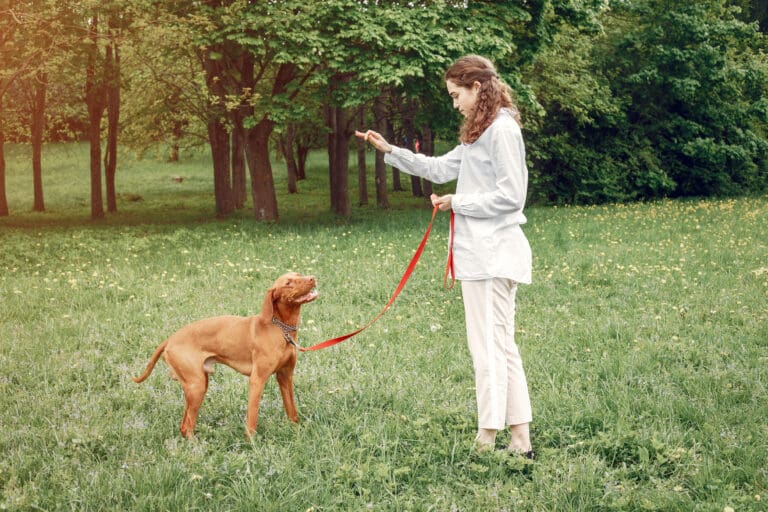
During lunchtime, consider another short session dedicated to leash manners. Practice walking calmly on the leash, stopping, and sitting when you stop. This can be done around your yard or even indoors. Reinforce good behavior with treats or a favorite toy. These midday sessions help break up the day and keep your dog engaged.
In the evening, spend around 10 minutes on advanced tricks or agility training. This could involve commands like “roll over,” “shake,” or navigating a simple obstacle course. Using variety in evening training keeps things interesting. It also helps tire out your dog before bedtime. This routine ensures that training remains fun and productive.
Weekends allow for more extensive training. Use this time to work on socialization skills with visits to the park or meeting other dogs. Practicing in different environments ensures your dog applies what they’ve learned in various settings. Use this opportunity to reinforce commands and reward good social behavior. Consistency during weekends complements weekday training.
Maintaining a structured schedule helps build solid habits in dogs. A sample weekly training plan might include varied tasks each day, ensuring comprehensive skill development. Incorporating plenty of praise and treats makes sure your dog remains motivated. The key is to keep sessions short, focused, and enjoyable. Your dog will look forward to training time, and you’ll see steady progress.
Frequently Asked Questions
Training your dog can be a rewarding experience. Here are some frequently asked questions to help you structure a productive training routine for your dog.
1. What is the best age to start training a puppy?
The best age to start training a puppy is around 7 to 8 weeks old. At this age, puppies are curious and eager to learn. Early training helps establish good habits and socialization skills. Start with simple commands like “sit” and “stay” using positive reinforcement.
As puppies grow, gradually introduce more complex commands and training sessions. Consistency is key, and early training builds a strong foundation for future learning. Remember to keep sessions short and enjoyable to maintain the puppy’s interest and enthusiasm.
2. How do I maintain my dog’s training progress?
To maintain your dog’s training progress, integrate training into daily activities. Reinforce learned commands during walks, mealtime, and playtime. Consistency helps reinforce the behaviors and keeps the dog sharp. Regularly practice commands to prevent them from becoming forgetful.
Initially, reward your dog frequently, then gradually reduce rewards as the behavior becomes ingrained. Refresh their skills intermittently by revisiting past lessons. This approach keeps the dog engaged and responsive to commands. Always use positive reinforcement to encourage the desired behavior.
3. Can older dogs be trained effectively?
Yes, older dogs can be trained effectively. While it may take more patience, they can learn new commands and behaviors. Consistency and positive reinforcement are crucial for success. Older dogs may have longer attention spans, allowing for slightly longer training sessions.
Understanding the dog’s limitations and health is essential. Adapt training to suit their needs and abilities. Start with basic commands and gradually introduce more complex tasks. Training older dogs can also help maintain their mental sharpness and overall well-being.
4. What are common mistakes to avoid in dog training?
Common mistakes in dog training include inconsistency, impatience, and using punishment. Consistency in commands and rewards is crucial for effective learning. Punishment can create fear and anxiety, hindering progress. Instead, focus on positive reinforcement to encourage good behavior.
Another mistake is expecting quick results. Dogs need time to learn and practice new commands. Be patient and maintain regular training sessions. Avoid long and tiring sessions that may overwhelm the dog. Keep training short, frequent, and enjoyable for the best results.
5. How do I socialize my dog during training?
Socializing your dog during training involves exposing them to various people, animals, and environments. Gradually introduce new experiences in a controlled and positive manner. Use treats and praise to reward calm and friendly behaviors. Start with familiar settings and slowly expand to more challenging scenarios.
Organize playdates with other dogs and visits to dog-friendly parks. These activities help your dog become comfortable in different social situations. Consistent socialization helps reduce anxiety and builds a well-rounded, confident dog. Always ensure interactions are safe and positive.
How to Create Structure in Your Dog’s Day to Day Routine
Conclusion
Structuring a productive training routine for your dog requires thoughtful planning and consistency. Incorporating multiple short sessions per day keeps them engaged and helps retain learned behaviors. The balance of praise and correction, along with a clear schedule, makes training both effective and enjoyable for your dog.
Remember that every dog is unique and may need adjustments to their routine. Being patient and adapting to your dog’s needs will foster a strong bond and a well-trained companion. With dedication, training becomes a rewarding journey for both you and your furry friend.
"*" indicates required fields