Reinforcement Styles Based on Canine Personality Types
Reinforcement styles for dog personality types can make or break your training strategy. While one dog may thrive with food rewards, another may need praise, play, or a calm touch to stay engaged. Understanding your dog’s unique temperament is essential to choosing the right motivational tools. In this article, we’ll explore common canine personality types—from confident and independent to shy and sensitive—and the most effective reinforcement methods for each.
Historically, reinforcement styles have evolved based on anecdotal evidence and expert insights. For instance, high-energy breeds often benefit from active play as a reward, while more reserved breeds may thrive on gentle affection. Studies show that tailoring reinforcement to a dog’s personality predicts training success, highlighting the importance of personalized approaches.
Effective reinforcement styles for canine training depend on the dog’s personality. High-energy dogs often benefit from play-based rewards, while shy or anxious dogs respond better to gentle praise. Persistent, independent dogs may require high-value treats and consistency. Tailoring your approach enhances training success and strengthens the human-canine bond.

Exploring Different Reinforcement Styles for Canine Training
Training dogs effectively requires understanding what motivates them. Different dogs respond to various reinforcement styles, and recognizing these can enhance training success. Positive reinforcement, such as treats and praise, works well for many dogs. However, some dogs might need more specific approaches based on their personalities. Tailoring reinforcement to fit the dog ensures better results.
Positive reinforcement involves rewarding a dog for desired behavior. This method encourages dogs to repeat the behavior. Rewards can vary from food treats to verbal praise. Both methods can be effective when consistently applied. It’s crucial to provide rewards promptly to reinforce the connection.
Aside from treats and praise, playtime can be a powerful reinforcement tool. Some dogs are highly motivated by engaging in play activities. Tug-of-war or fetch can serve as excellent rewards for desired behaviors. Not all dogs respond to the same type of play. It’s essential to know what excites your dog the most.
Each dog is unique, and understanding their personality aids in choosing the right reinforcement style. For instance, a shy dog might respond better to gentle encouragement and calm praise. Conversely, a more active, outgoing dog might thrive with energetic rewards. Balancing the reinforcement type with the dog’s personality ensures better training outcomes.
Understanding the Link Between Canine Personality and Effective Training Techniques
Every dog has a unique personality that influences how they respond to training. Some dogs are naturally more eager to please, making positive reinforcement an effective strategy. These dogs thrive on praise and rewards. On the other hand, more independent dogs may require a different approach. Understanding these traits is key to successful training.
Canine personalities can be categorized in various ways. For instance, dogs can be energetic, shy, stubborn, or friendly. Each type responds differently to training techniques. Recognizing these categories helps in selecting the most effective training method. Tailored techniques improve the training experience for both the dog and the trainer.
Active and energetic dogs often benefit from training that includes physical activities. These dogs enjoy fetch, agility courses, and other high-energy rewards. It keeps them engaged and utilizes their natural energy. Conversely, calmer dogs might respond better to quiet, gentle praise. This respects their more reserved nature.
In training, matching techniques to a dog’s personality makes a significant difference. A stubborn dog might need consistent, firm commands paired with treats. Meanwhile, a shy dog might progress with a softer touch and gentle encouragement. This personalized approach fosters trust and effective learning.
The Role of Positive Reinforcement in Canine Behavioral Modification
Positive reinforcement has revolutionized the way we train dogs. It focuses on rewarding desired behaviors rather than punishing undesired ones. This method creates a positive learning environment. Dogs are motivated to repeat actions that bring them rewards. As a result, they learn faster and with more enthusiasm.
Rewards used in positive reinforcement can vary. Treats are a common choice, but toys and praise are also effective. These rewards must be given immediately after the desired behavior. This timing helps the dog make a clear connection between action and reward. Consistency is key to reinforcing the behavior.
Positive reinforcement not only trains dogs but also builds stronger human-canine bonds. Using this method, dogs see their trainers as sources of positive experiences. This trust promotes a cooperative training session. Furthermore, it reduces stress and anxiety in dogs. A happy dog learns more effectively.
Several studies support the efficacy of positive reinforcement. They show long-term benefits such as reduced aggression and better obedience. Importantly, this method works across various breeds and ages. Success stories span from house pets to service dogs. Positive reinforcement truly transforms canine training.
Using Play and Affection as Tools for Behavioral Reinforcement
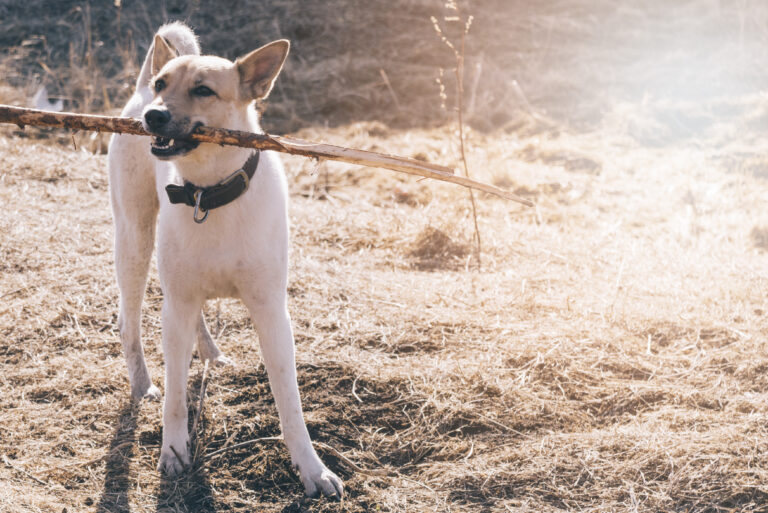
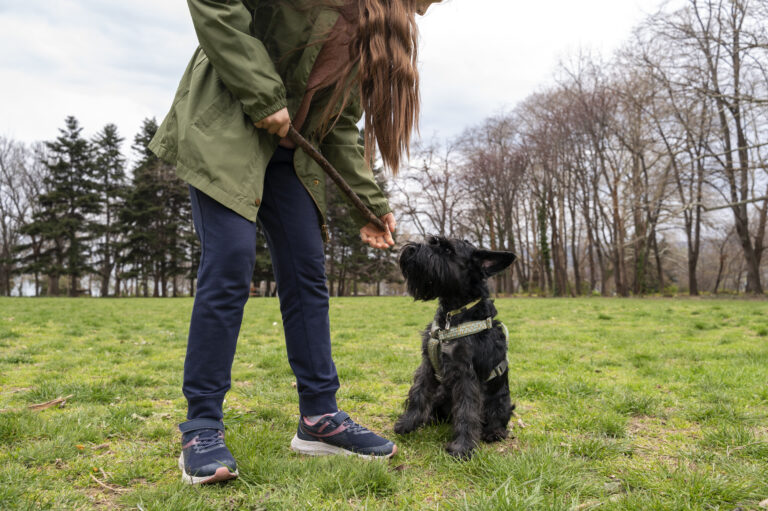
Playtime can be an effective tool for dog training. Many dogs are motivated by the fun and excitement that play offers. Activities like fetch, tug-of-war, and agility courses can reward desired behaviors. By incorporating play into training, you engage your dog in a way that goes beyond traditional treats. This approach can maintain a dog’s interest and enthusiasm.
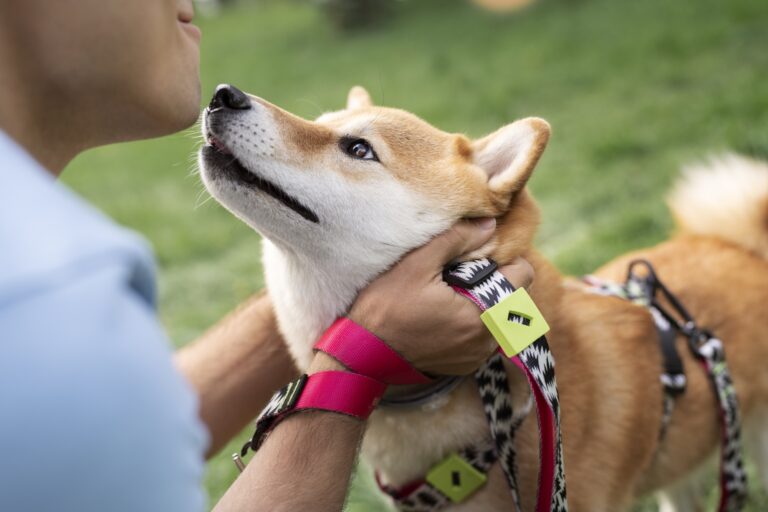
Affection is another powerful reinforcement technique. Dogs naturally seek approval and affection from their owners. Simple acts like petting, verbal praise, or a loving scratch behind the ears can reinforce good behavior. This type of positive interaction strengthens the bond between you and your dog. Over time, your dog associates good behavior with these loving gestures.
Combining play and affection can provide a balanced reinforcement strategy. For example, you can use a quick game of fetch followed by a few moments of affection as a reward. This combination keeps the training sessions dynamic and fulfilling. It caters to various aspects of your dog’s personality, making training more effective. This mix ensures that the dog remains engaged and motivated.
Understanding your dog’s preferences is crucial in using play and affection effectively. Some dogs may prefer physical play, while others might respond better to quiet affection. Adapting your reinforcement style to your dog’s unique likes and dislikes fosters a positive learning environment. This tailored approach enhances the effectiveness of your training sessions. It makes your dog more receptive to learning new behaviors.
Moreover, using play and affection can reduce stress and anxiety in dogs. Training sessions infused with joy and love create a safe space for your dog. This positive atmosphere encourages your dog to try new behaviors without fear. Lower stress levels contribute to quicker learning and better retention of skills. Your dog becomes more confident and eager to participate in training.
Challenges and Solutions in Reinforcement Training Across Various Canine Personalities
Training different canine personalities presents unique challenges. Some dogs may be stubborn, resisting standard positive reinforcement techniques. Others may be overly timid, requiring extra patience and gentleness. Identifying these personality traits early can inform the best approach. Tailoring methods to individual dogs ensures greater success in training.
Stubborn dogs can be particularly challenging to train. These dogs might ignore rewards or commands. To counter this, try using higher-value rewards or varying the types of treats. Consistency and firm commands are essential. Persistence pays off with these determined pups.
Shy or anxious dogs often need a different approach. These dogs may not respond well to loud commands or sudden movements. Soft-spoken encouragement and calm, slow actions work best for them. Creating a safe and calm environment is crucial. Over time, they will build confidence in their abilities.
High-energy dogs can be both a joy and a challenge to train. These dogs need plenty of mental and physical stimulation. Training sessions should include short bursts of exercises. Activities like agility exercises or fetch can be rewarding. Keeping these dogs engaged requires creativity and variety in training.
Older dogs may have specific training needs as well. They might have ingrained behaviors that are tough to change. Patience and positive experiences help. Adjusting training techniques for their physical limitations is important. Understanding their needs can make training more effective.
Combining these techniques can address varied canine personalities. Each dog requires a customized approach to training. Using a mix of patience, consistency, and creativity makes the process smoother. Adaptability is key to overcoming training challenges. With the right methods, every dog can learn new behaviors.
Frequently Asked Questions
Understanding how to effectively train dogs requires knowledge of their unique personalities. Here are some common questions experts have about tailoring reinforcement styles to fit different canine temperaments.
1. What is positive reinforcement in dog training?
Positive reinforcement involves rewarding a dog for performing a desired behavior. These rewards can include treats, toys, or verbal praise. The goal is to encourage the dog to repeat the behavior by associating it with something enjoyable. This method is widely used because it helps dogs learn quickly and builds a positive bond between the dog and trainer.
Using positive reinforcement, trainers avoid punishing a dog for unwanted behavior, focusing instead on what the dog does right. This keeps training sessions positive and engaging. By consistently rewarding good behavior, dogs understand what is expected of them. Over time, desirable behaviors become a habit.
2. How do you determine your dog’s personality for training?
To determine a dog’s personality, observe their behavior in various situations. Note how they react to strangers, other animals, and new environments. Some dogs might exhibit high energy and enthusiasm, while others may be more reserved or cautious. Identifying these traits helps in choosing the most effective training techniques.
Additionally, consider the dog’s breed as certain breeds have specific tendencies. Consulting with a professional trainer can also provide insights. They use their experience to assess a dog’s personality accurately. Understanding your dog’s personality is crucial for successful and tailored training.
3. Why do some dogs not respond to traditional training methods?
Some dogs do not respond to traditional training methods due to their unique personality or previous experiences. A dog with a traumatic past might require more patience and gentle reinforcement. Similarly, highly independent breeds might need a more structured and consistent approach. Tailoring methods to the individual dog’s needs makes a significant difference.
Variations in temperament and energy levels also play a role. A high-energy dog might get bored with repetitive tasks and need more engaging activities. Conversely, a shy dog might feel overwhelmed easily and require slower, more gradual training. Understanding these differences is vital for effective training.
4. Can older dogs still learn new behaviors?
Yes, older dogs can learn new behaviors, though it might take more time and patience compared to younger dogs. Positive reinforcement is highly effective for older dogs as well. Using treats, praise, and play helps them grasp new commands. The key is consistency and keeping training sessions short but frequent.
Older dogs may have entrenched habits, so gradual changes work best. Adjust your expectations and celebrate small successes. Using a calm and patient approach yields better results. It’s never too late for dogs to learn and adapt, regardless of age.
5. How can play be used as a reward in dog training?
Play can be a powerful reward in dog training, especially for dogs that have high energy levels. Activities like fetch, tug-of-war, or agility exercises can serve as excellent rewards. After the dog performs a desired behavior, engaging them in a fun activity reinforces the learning. This makes training enjoyable and incorporates physical exercise.
Using play as a reward also strengthens the bond between the dog and the trainer. It creates an interactive learning environment that dogs find both stimulating and rewarding. Additionally, play as a form of reinforcement keeps training sessions varied and interesting. This engagement is crucial for maintaining the dog’s focus and enthusiasm.
The Power Of Choice: The Best Reinforcement For Your Dog
Conclusion
Customizing reinforcement styles based on a dog’s personality is essential for effective training. Understanding individual traits and preferences helps in selecting the most suitable methods. This approach not only improves training outcomes but also strengthens the bond between dogs and their trainers.
Adapting techniques to each unique dog ensures a positive and engaging learning experience. Whether using treats, play, or affection, the key is consistency and patience. With the right reinforcement style, every dog can thrive and learn new behaviors successfully.
"*" indicates required fields