The Role of Play in Teaching Puppies Boundaries
Play in teaching puppies boundaries is one of the most natural and effective ways for young dogs to learn. Through play, puppies discover bite inhibition, respect for space, and appropriate social cues. These early lessons not only shape good behavior but also set the foundation for obedience and healthy relationships with both humans and other dogs.
New research suggests that playful interactions can significantly influence a puppy’s learning of boundaries, with behavioral specialists noting how early, structured play can reduce biting and chewing incidents by up to 50%. This emphasizes the importance of integrating play into training sessions. When puppies play together, they learn bite inhibition, social cues, and respect for others’ space. These lessons are paramount for developing a well-mannered adult dog.
The concept of using play to teach boundaries isn’t new; it harkens back to natural canine behavior observed in wild wolf packs. Data shows that puppies who engage in regular, controlled play with humans are less likely to develop anxiety or aggression. Using toys, games, and social interactions, owners can enforce rules in a fun and rewarding environment. This balance between discipline and enjoyment is key to effective training.
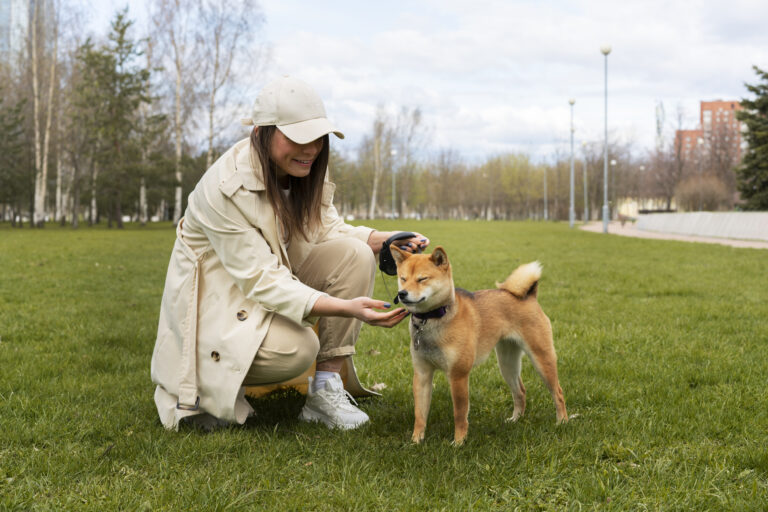
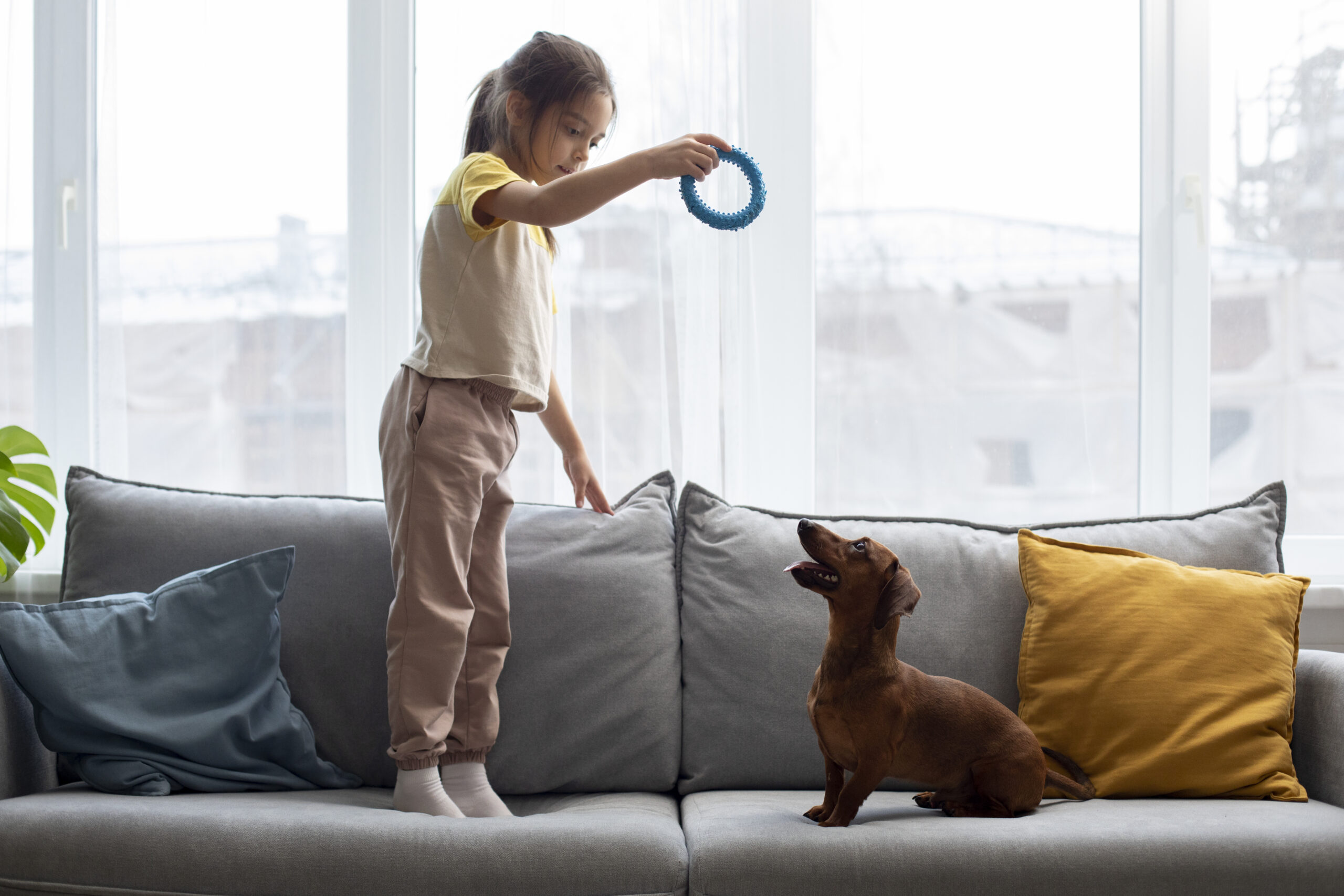
Play helps puppies learn social cues, bite inhibition, and respect for personal space. Structured playtime reduces the need for harsh corrections and fosters a positive relationship between the puppy and the owner. Various games like tug-of-war, fetch, and puzzle toys are essential in teaching boundaries effectively and enjoyably.
The Role of Play in Teaching Puppies Boundaries
Play is crucial in teaching puppies boundaries. When puppies play, they learn about their bite strength and what is acceptable behavior. Play sessions can mirror natural interactions, helping puppies understand social cues. This method reduces the need for harsh corrections. It also fosters a positive relationship between pets and their owners.
Engaging in play helps puppies burn off excess energy. This is important as a tired puppy is less likely to engage in destructive behavior. Toys and games are essential tools in this training. They keep puppies entertained while teaching them limits. Structured play can prevent future behavioral issues.
During play, puppies also learn to respect human boundaries. They begin to understand when they are being too rough. This awareness helps them adjust their behavior. Extra guidance may be needed for overly excitable puppies. Corrections should be gentle but consistent.
Different types of play activities can be used for training. Tug-of-war, fetch, and puzzle toys are effective. Each game should have clear rules and boundaries. Reward positive behavior to reinforce learning. Regular playtime enhances both the training process and the bond between puppy and owner.
Michael Ellis on Rules of Play
Understanding the Relationship Between Play and Boundary Learning
Play is an essential tool for teaching puppies boundaries. It mimics natural interactions, helping them understand social hierarchies. Through play, puppies learn to control their bite force. They also discover when their behavior is too rough. This knowledge is critical for developing good manners.
Consistency in playtime reinforces boundary learning. A set routine with designated play activities sets clear expectations. This method helps puppies predict positive outcomes for good behavior. Practices like this create a structured environment. Puppies thrive on these predictable patterns.
Puppy play helps reduce anxiety. Engaging in regular play gives them a sense of security. It makes learning boundaries less stressful and more enjoyable. Encouraging positive interactions boosts their confidence. This makes future training much easier.
There are various ways to incorporate play into boundary training. Games like fetch and hide-and-seek teach patience and control. Using different toys can make these lessons fun and effective. Owners should always supervise these sessions. This ensures a safe and productive learning process.
Benefits of Play in Puppy Training
Play is an effective way to train puppies while keeping them entertained. It provides mental stimulation, helping prevent boredom-related behaviors like chewing. Through play, puppies learn social skills and proper conduct. This interaction helps them understand how to behave around humans and other animals. These lessons are crucial for their development.
Physical exercise is another significant benefit of play. Regular play sessions ensure that puppies get the activity they need. This helps maintain a healthy weight and prevents obesity. Active puppies are generally happier and less prone to developing behavioral issues. Exercise through play can improve their overall health.
Training through play fosters a strong bond between the puppy and the owner. Positive interactions during playtime build trust and affection. This relationship makes obedience training easier. A strong bond encourages the puppy to follow commands. The result is a more harmonious household.
Play can also reduce anxiety in puppies. Engaging in fun activities helps them feel safe and secure. This lowers stress levels, making them more receptive to training. Toys, games, and social interactions provide comfort. A well-rounded play routine contributes to a well-adjusted puppy.
Types of Play to Incorporate in Puppy Training
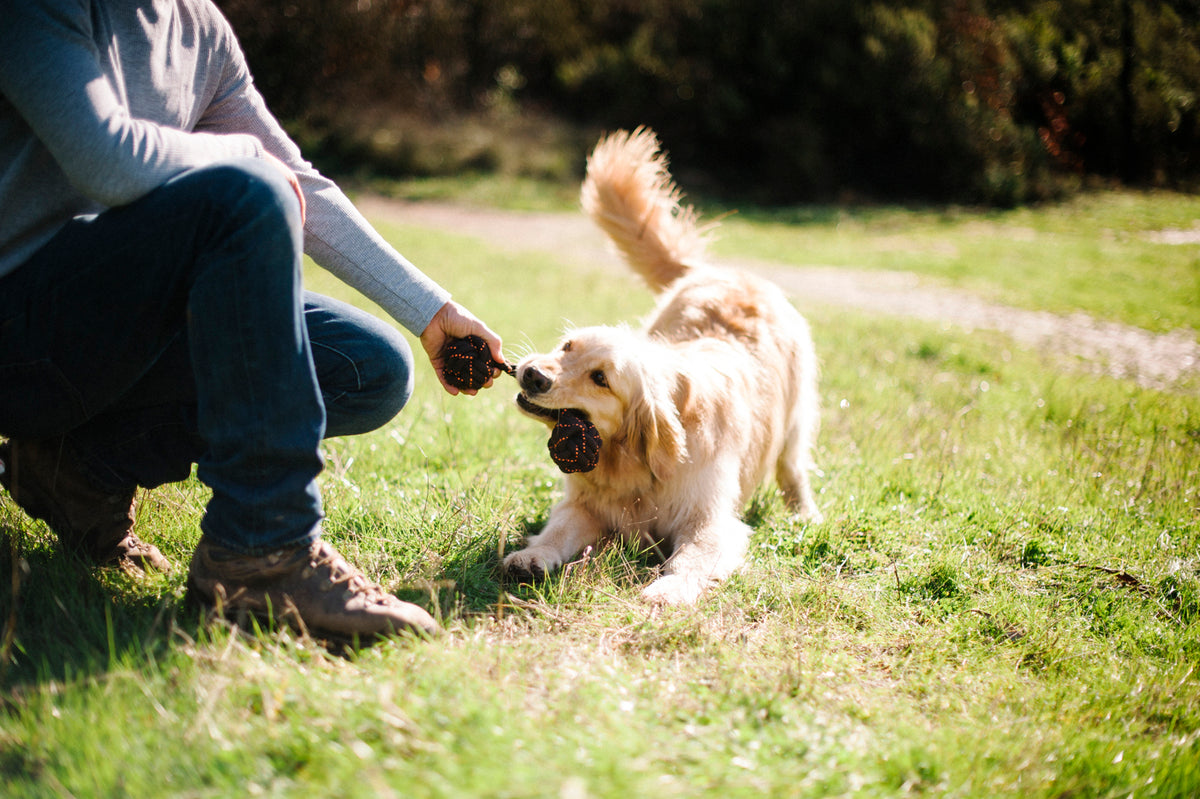
Interactive play is a fantastic way to engage puppies and teach them boundaries. Games like tug-of-war can foster a sense of fun and cooperation. Ensure to establish rules, such as stopping the game if the puppy gets too rough. This teaches them bite inhibition. Consistent playtime helps them understand acceptable behavior.
Retrieving games such as fetch are excellent for physical exercise and mental stimulation. Throwing a ball or a frisbee encourages running and fetching. These games help improve agility and endurance. Plus, they provide opportunities to practice commands like “come” and “drop it.” This reinforces basic obedience skills.
Puzzle toys are wonderful for keeping a puppy’s mind engaged. Toys that dispense treats can keep them entertained for hours. They also challenge the puppy to use problem-solving skills. This can reduce boredom and destructive behaviors. Puzzle toys are great for independent playtime when supervised play is not possible.
Social play with other dogs is vital for teaching social boundaries. Supervised sessions at a dog park or playdates with other puppies can be beneficial. During these interactions, puppies learn how to interact appropriately with their peers. This can lead to better social skills as they grow older. It also provides valuable lessons in restraint and gentle play.
Training drills integrated with play can be particularly effective. Combining games with basic commands can reinforce training in a fun way. For instance, using a toy to practice “sit,” “stay,” and “come.” This makes the process enjoyable for the puppy. It also helps solidify their learning with positive reinforcement.
Incorporating various types of play ensures a well-rounded training regime. Each game and activity serves a unique purpose in the puppy’s development. From physical exercise to mental challenges, diverse play keeps them stimulated. It also strengthens their bond with the owner. Engaging in multiple play activities leads to a happier, healthier puppy.

Frequently Asked Questions
Here are some common questions regarding the role of play in puppy training. These questions will help you understand how to effectively teach boundaries through playful interactions.
1. How can play reduce aggressive behavior in puppies?
Play helps puppies learn to control their bite strength and understand social cues. When puppies play with others, they practice biting softly, preventing aggressive behavior in the future. This form of interaction teaches them to be gentle. It sets the foundation for more controlled behavior.
Engaging in regular, structured play reduces stress and channels a puppy’s excess energy positively. This makes them less likely to act out aggressively. Encouraging positive interactions through play helps them develop better social skills. Over time, this leads to a calmer and more well-behaved dog.
2. What types of toys are best for teaching boundaries?
Toys that promote interactive play are ideal for teaching boundaries. Examples include tug toys, fetch toys, and puzzle toys. These types of toys require the puppy to follow specific rules, helping them learn to respect limits. This kind of structured play is very educational for them.
Puzzle toys, in particular, are excellent for mental stimulation. They challenge puppies to solve problems and earn rewards, which reinforces positive behavior. These toys help reduce boredom and prevent destructive actions. Using a variety of toys ensures a well-rounded training experience.
3. How does social play with other dogs impact boundary learning?
Social play with other dogs is crucial for boundary learning, as it teaches puppies to interact appropriately. Through these interactions, they learn bite inhibition and social cues. Puppies also practice self-control during play. This helps them understand the concept of personal space.
Supervised play sessions with other dogs can reinforce respectful behavior. They get the chance to practice what they’ve learned in a real-world context. This experience is invaluable for their social development. It helps in forming positive relationships with other dogs and humans.
4. How often should I incorporate play into my puppy’s training?
Incorporating play into your puppy’s training should be a daily activity. Frequent, short bursts of playtime are more effective than long sessions. Aim for at least 15-20 minutes of structured play, multiple times a day. Consistency is key for teaching boundaries.
This regularity helps reinforce learned behaviors and keeps the puppy engaged. It also provides a healthy outlet for their energy, reducing the risk of destructive behaviors. Structured playtime should be enjoyable and varied to maintain the puppy’s interest. This routine helps form a strong, positive bond between you and your puppy.
5. Can play help with separation anxiety in puppies?
Yes, play can significantly help with separation anxiety in puppies. Engaging them in fun activities before you leave can tire them out, making them more relaxed. Providing interactive toys can keep them occupied when alone. This helps manage their anxiety levels.
Interactive toys that dispense treats are particularly helpful. They provide mental stimulation and keep your puppy entertained. Regular play can also build their confidence and independence. Over time, this can reduce their anxiety when left alone.
Conclusion
Incorporating play into puppy training is not just beneficial, but essential. It teaches important social skills and boundaries. Through structured play, puppies learn to respect limits in a fun and engaging way. This method reduces the need for harsh corrections and fosters a positive relationship.
Play also helps in reducing anxiety and preventing destructive behaviors. Using a variety of games and toys ensures a well-rounded training experience. Consistent and interactive play builds trust and confidence in your puppy. A balanced mix of activities can lead to a happier, well-behaved dog.
"*" indicates required fields