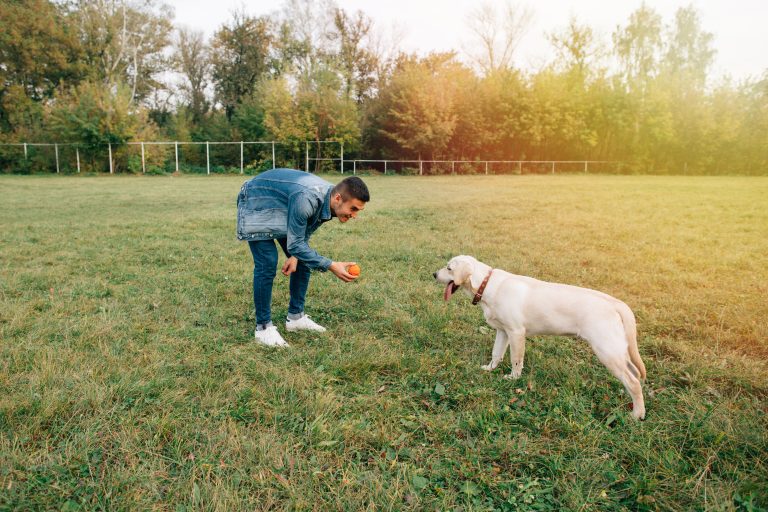

Why Dogs Forget Commands And How To Prevent It
Ever noticed how a once well-trained dog suddenly seems to forget commands? This lapse in obedience can be surprising and frustrating for pet owners. Understanding why this happens is key to preventing it.
Historically, inconsistency in training techniques and reinforcement schedules contribute to this issue. Studies have shown that regular practice along with consistent rewards significantly maintain command retention. Implementing short, frequent training sessions and using positive reinforcement are effective preventative measures.

Why Dogs Forget Commands
Dogs can forget commands for various reasons. One common cause is inconsistent training. If a command is not reinforced regularly, dogs may not remember it. Training sessions that are too infrequent can lead to forgotten commands. Consistency is key in maintaining a dog’s obedience.
Another reason dogs forget commands is due to distractions. When a dog is surrounded by noises or other animals, it might ignore or forget a command. This is why training in different environments is crucial. Ensuring commands are practiced in diverse settings helps a dog retain them better.
Age also plays a significant role in memory retention. Older dogs can struggle with remembering commands due to cognitive decline. Just like humans, dogs’ memory can deteriorate over time. Regular mental stimulation and training can help mitigate this issue.
Health issues can impact a dog’s ability to remember commands as well. Dogs suffering from illnesses or chronic pain may find it harder to focus. This can result in forgetting even the most basic commands. Regular veterinary check-ups ensure any health problems are addressed promptly.
Exploring the Science Behind Canine Memory Loss
Canine memory loss is an intriguing field of study. Research shows that dogs have both short-term and long-term memory. However, their short-term memory lasts only about five minutes. This is why immediate reinforcement after a command is vital. Delayed reinforcement can confuse the dog and hinder learning.
Long-term memory works differently in dogs. It involves repetition and association. For instance, dogs often remember commands linked with a reward. This associative learning helps embed commands in their memory. Consistent practice helps maintain this memory.
Brain health is another crucial factor. Neurotransmitters play a significant role in memory retention. As dogs age, their production of these chemicals can decrease. This leads to slower processing and memory decline. Activities that stimulate the brain can help maintain cognitive function.
Studies also indicate that stress affects canine memory. High-stress levels disrupt the balance of hormones. This can impair a dog’s ability to remember commands. Creating a calm training environment can reduce stress and enhance memory. Effective training combines patience, consistency, and a stress-free setting.
The Impact of Inconsistent Training Techniques
Inconsistent training techniques can confuse dogs. When commands are not reinforced regularly, dogs may struggle to remember them. This lack of consistency leads to mixed signals. Dogs become unsure of what is expected. Over time, this confusion can erode previously learned behaviors.
Consistency in training builds a strong foundation. Dogs rely on repetition and clear communication. For instance, using different words for the same command can create confusion. Dogs need to hear the same cue repeatedly. Mixed signals only make training harder.
Training schedules are also crucial. Irregular training sessions don’t allow dogs to build habits. Just like humans, dogs need routine to learn effectively. Skipping days or weeks between sessions disrupts this routine. Regular, short sessions are more effective than sporadic, long ones.
Different family members using varied techniques can create inconsistencies, too. Everyone involved in training should follow the same methods. This unity helps reinforce commands and behaviors. Clear communication among trainers ensures the dog receives the same message. Consistent techniques across all trainers build a stable learning environment.
The Role of Age and Health in Memory Retention
Age significantly impacts a dog’s ability to retain memories. As dogs grow older, their cognitive abilities can decline. This is similar to how humans experience memory loss with age. Older dogs might forget commands they once knew well. Regular mental exercises help keep their brains active.
Health also plays a crucial role in memory retention. Various health conditions can affect a dog’s cognitive functions. For example, chronic pain or diseases like arthritis can distract a dog. This makes it harder for them to focus on commands. Ensuring a dog is in good health aids in better memory retention.
Nutrition is another essential factor. A balanced diet supports overall brain health. Certain nutrients like omega-3 fatty acids are known to improve memory. Including these in a dog’s diet can help maintain their cognitive functions. Regular veterinary advice ensures optimal nutrition.
Physical exercise benefits a dog’s memory as well. Regular activity increases blood flow to the brain. This helps keep the brain healthy and active. Dogs that exercise frequently tend to have better memory retention. Keeping them physically engaged is key.
Routine medical check-ups are vital for detecting early signs of cognitive decline. Early intervention can slow down memory loss. Vets can recommend supplements or medications to support brain health. Regular monitoring helps manage a dog’s cognitive health effectively. Preventative care is always better than reactive treatment.

Frequently Asked Questions
Below are some common questions related to why dogs forget commands and the ways to prevent it. These answers aim to provide quick and effective solutions for dog owners.
1. What are the signs that my dog is having memory issues?
Signs of memory issues in dogs include forgetting familiar commands, becoming disoriented, and changes in behavior. They might also show confusion in familiar environments or struggle with routine activities.
Regular changes in their daily activities and forgetting house training can also be indicators. It’s crucial to observe these signs and consult a vet if you notice any unusual behavior.
2. How can I make my dog’s training sessions more effective?
To make training sessions more effective, keep them short and consistent. Use positive reinforcement like treats and praise to encourage good behavior.
Training in various environments can help your dog retain commands better. Repetition and patience are key to reinforcing learned behaviors.
3. Can diet affect my dog’s memory?
Yes, a balanced diet is essential for maintaining your dog’s cognitive health. Nutrients like omega-3 fatty acids can improve memory and overall brain function.
Including these nutrients in their daily diet helps in maintaining their cognitive abilities. Always consult your vet for a diet plan that supports your dog’s health needs.
4. Are older dogs more likely to forget commands than younger dogs?
Older dogs are generally more prone to memory loss due to cognitive decline. Aging can affect their ability to retain and recall commands.
However, regular mental stimulation and consistent training can help older dogs maintain their memory. Engaging them in activities that challenge their brain is also beneficial.
5. How do distractions impact my dog’s ability to remember commands?
Distractions can significantly impact a dog’s ability to focus and remember commands. Noises, other pets, or unfamiliar environments can cause a dog to forget what they’ve learned.
Training in different settings and gradually increasing distractions can help. This method teaches your dog to focus and remember commands even in a distractive environment.
Conclusion
Understanding why dogs forget commands and knowing how to prevent it is crucial for effective training. Consistency in training techniques and creating a stress-free environment significantly enhance command retention. Addressing health and dietary needs adds to better cognitive function.
By integrating these practices into your training routine, you can help your dog maintain a strong memory. Regular veterinary check-ups and mental stimulation play key roles. Overall, a balanced approach ensures your dog retains commands effectively.
"*" indicates required fields