Preventing Leash Pulling From The Puppy’s First Walk Ever
Preventing leash pulling in puppies begins from the moment they take their very first walk. Early habits form quickly, and teaching your puppy how to stay calm, focused, and connected with you on the leash sets the foundation for a lifetime of stress-free walks. By introducing structure, rewarding engagement, and keeping the first outings short and positive, you can stop pulling before it ever becomes a habit.
Historically, early-leash training has been an integral part of canine education. Studies show that puppies who receive consistent and calm training from day one are less likely to develop pulling issues. Introducing a puppy to leash manners early and making walks a positive experience can significantly reduce unwanted pulling behaviors. It’s not just about control; it’s about creating a harmonious bond.
Preventing Leash Pulling From the Puppy’s First Walk Ever
Starting off on the right foot with leash training can make a world of difference. When puppies go on their first walks, they are often overwhelmed by new sights and smells. This excitement can lead to pulling, making the walk stressful for both of you. To prevent this, ensure your puppy is calm before you start. This establishes a peaceful mindset for the walk ahead.
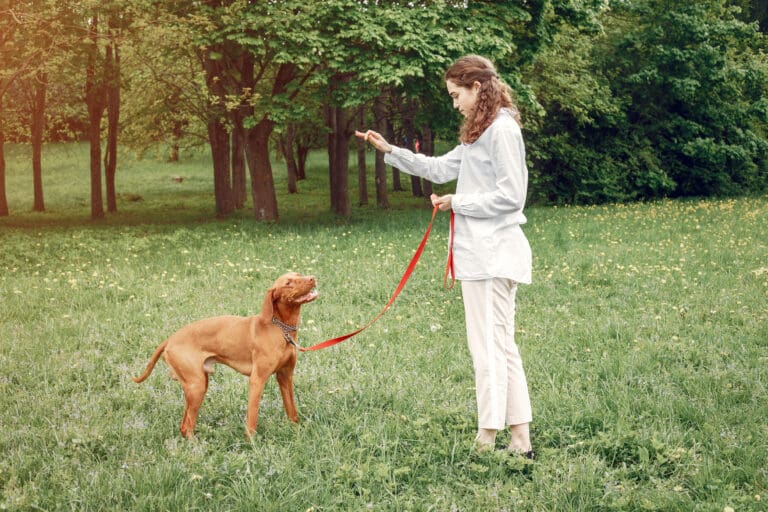
Choosing the right equipment is crucial. A well-fitted harness can provide better control and comfort than a collar. Additionally, a standard leash, rather than a retractable one, helps maintain consistent control. Using positive reinforcement, like treats, encourages proper walking behavior. Rewarding your puppy for walking by your side ensures they know how to behave.
Consistency is key in preventing leash pulling. Set clear boundaries from the start so your puppy understands the rules. Consistent commands and rewards help shape their behavior. It may be helpful to practice in your backyard before venturing out into more stimulating environments. This gradual exposure can make the training process smoother.
Another important aspect is understanding your puppy’s signals. Puppies may pull due to curiosity or because they are scared. Observing their body language allows you to respond appropriately. If your puppy pulls towards an interesting object, pause and wait until they return to your side. This teaches them that pulling doesn’t get them what they want; calm behavior does.

Key strategies for a successful first walk
Preparing for your puppy’s first walk can be exciting yet challenging. Start by selecting comfortable, well-fitted gear. The right harness and leash can make a big difference. A secure, non-retractable leash is ideal for maintaining control. Additionally, choose a calm, familiar location for the first walk.
Beginning with a short duration helps your puppy adjust. Aim for five to ten minutes, gradually increasing as they become more comfortable. Timing is crucial; choose a quiet time of day to avoid overwhelming sights and sounds. Keeping the environment stress-free sets a positive tone. Over time, you can introduce more stimuli as your puppy adapts.
Use positive reinforcement consistently. Praise and treat your puppy when they walk beside you. This encourages them to stay close. Avoid tugging or yanking on the leash, which can create negative associations. Instead, use gentle guidance and rewards to teach desired behaviors.
Maintaining patience is essential. Puppies learn at their own pace, and some may take longer to adjust. Watch for signs of stress or fear. If your puppy seems overwhelmed, take a break and try again later. Patience and consistency are key to successful leash training.
Why early leash manners matter
Teaching your puppy proper leash manners early sets the foundation for a lifetime of enjoyable walks. When puppies learn correct behavior from the start, they are less likely to develop bad habits. This early training prevents future issues that could prove difficult to correct. It also solidifies the bond between you and your pet. Positive early experiences build trust.
Establishing good leash habits can prevent dangerous situations. Puppies that pull on their leash can dart into traffic or get tangled. Consistent early training reduces the risk of accidents. It keeps the walk safe and enjoyable for everyone involved. Secure walks lead to more outdoor adventures together.
Puppies with proper leash manners are welcomed in more places. Well-behaved dogs can join their owners in parks, pet-friendly shops, and other social settings. This socialization is vital for their development. Early training ensures they remain calm in various environments. A well-mannered dog is a joy to be around.
Incorporating leash training early also reduces stress for the owner. Dogs that walk politely are easier to manage. Owners don’t have to worry about being pulled or struggling to control their dogs. This leads to more relaxing and enjoyable walks. Consistent early training pays off in long-term harmony and happiness.
Common mistakes owners make on the first walk
One common mistake owners make is not using the right equipment. Many people use retractable leashes that can actually encourage pulling. These leashes give the puppy too much freedom. Instead, a standard, short leash provides better control. A properly fitted harness is also important for comfort and safety.
Another frequent error is starting the walk too long or too soon. Puppies tire quickly, so brief, positive outings are best at first. Long walks can lead to fatigue and frustration. It’s better to build up gradually. This approach keeps the experience enjoyable for the puppy.
Some owners fail to use positive reinforcement consistently. It’s crucial to reward good behavior immediately. Treats, praise, and affection motivate the puppy. Without consistent rewards, the puppy may not understand what is expected. Rewards help solidify the behavior you want to see.
Many owners neglect to set clear boundaries. Puppies need to know what’s acceptable from the very beginning. Allowing pulling or erratic behavior can reinforce bad habits. Consistency in commands and actions is key. This helps the puppy learn the right way to walk on a leash.
Ignoring the puppy’s signals is another mistake. Puppies may show signs of fear or overstimulation. It’s essential to pay attention to their body language. If they seem stressed, it’s okay to end the walk early. This teaches the puppy that walks are a positive experience.
Finally, not leading by example can confuse the puppy. Owners should walk confidently and provide clear direction. Hesitation or inconsistency creates uncertainty for the puppy. Leading with confidence helps set a calm, controlled pace. This makes the walk a positive bonding time.
Training tips for long-term leash success
Consistency is crucial for long-term leash training success. Always use the same commands and rewards to reinforce positive behavior. Switching commands can confuse your puppy, making it harder for them to learn. Consistency helps your puppy understand what’s expected. This leads to better behavior over time.
Positive reinforcement should continue beyond the first few walks. Rewarding your dog for walking by your side encourages them to maintain this behavior. Treats, praise, and affection go a long way. This method strengthens the bond between you and your dog. It also makes walking a pleasurable experience.
Progress gradually with new environments. Once your puppy is comfortable walking in a quiet area, slowly introduce more stimulating places. This step-by-step approach prevents overwhelming your puppy. It also helps them adjust to different surroundings calmly. Gradual exposure builds confidence and good behavior.
Consistency in exercise is important too. Regular walks help burn energy and reduce undesirable behaviors. A tired dog is usually a well-behaved dog. Incorporate walks into your daily routine. This keeps both you and your puppy fit and happy.
Consider enrolling in a puppy training class if you’re experiencing difficulties. Professional trainers offer valuable guidance and tips. These classes also provide socialization opportunities for your puppy. Learning among other dogs helps improve their behavior. It’s an investment in long-term success.

When to seek professional help for leash pulling
Sometimes, despite your best efforts, your puppy’s pulling may persist. If this happens, seeking professional help is a good option. An experienced dog trainer can provide personalized guidance. They assess your puppy’s behavior and offer targeted solutions. This expertise can make a big difference in correcting stubborn issues.
Professional help is particularly beneficial if your puppy’s pulling leads to safety concerns. Uncontrolled pulling can result in dangerous situations, like pulling into traffic. A trainer can teach you techniques to improve control. Ensuring safety for both you and your puppy is the top priority. Professional intervention can often quickly resolve such critical issues.
Consider professional help if your puppy exhibits signs of anxiety or aggression while on the leash. These behaviors can escalate if not addressed properly. Trainers can identify triggers and develop a specific plan to manage them. Addressing these challenges early can prevent long-term problems. It also helps create a more enjoyable walking experience.
Training methods can vary, and not all techniques work for every dog. If your current approach isn’t yielding results, a professional might have alternative strategies. They bring a wealth of experience and knowledge to the table. This can be invaluable when you feel stuck. Sometimes, an outsider’s perspective is just what you need.
Additionally, attending a group training session can be useful. These classes offer socialization opportunities for your puppy. Under the guidance of a professional, your puppy can learn from other dogs. This environment can enhance learning and reduce bad behaviors. Group settings can be very effective for leash training.
Frequently Asked Questions
Leash training your puppy is essential for enjoyable and safe walks. Here are some common questions and their answers to help you get started.
1 What type of leash is best for a puppy?
Choosing the right leash is crucial for effective training. A non-retractable, lightweight leash provides better control and helps prevent pulling. This type of leash makes it easier to manage your puppy and teach it to walk beside you. Using a retractable leash might encourage pulling behavior.
A well-fitted harness is also important as it distributes pressure more evenly than a collar. This reduces the risk of injury and makes the walk more comfortable for your puppy. Harnesses are especially useful for smaller breeds or dogs with delicate necks. Always check the fit to ensure it’s snug but not too tight.
2 How can I make leash training fun for my puppy?
Making leash training fun involves using positive reinforcement techniques. Reward your puppy with treats, praise, and affection when it walks beside you. This encourages them to repeat the behavior. Short, interactive sessions make training less overwhelming for your puppy. Vary the route to keep them engaged and curious.
Integrate playtime into your walks to keep things interesting. Bring along a favorite toy or play a quick game of fetch in a safe area. These breaks can make the training process more enjoyable for both of you. Remember, a happy puppy is more likely to respond well to training.
3 Why does my puppy keep pulling on the leash?
Puppies pull on the leash for several reasons, including excitement and curiosity. They are eager to explore the world around them and may not yet understand how to walk properly. This behavior is common but can be corrected with consistent training and patience. Using positive reinforcement and setting boundaries helps.
Pulling can also be a sign of anxiety or fear. If your puppy is pulling excessively, observe their surroundings to identify possible stressors. Gradually expose them to these triggers in a controlled manner to help them become more comfortable. Proper training addresses both the physical and emotional needs of your puppy.
4 How long should a walk be for a young puppy?
Younger puppies have shorter attention spans and may tire quickly. Initially, a walk should last about five to ten minutes. Gradually increase the duration as your puppy builds stamina and becomes more accustomed to walking. Pay attention to their energy levels and adjust accordingly to avoid overexertion.
Shorter, more frequent walks are generally more effective than long, infrequent ones. These shorter sessions keep your puppy engaged without overwhelming them. They also provide multiple opportunities for training throughout the day. Balancing exercise with rest is key to healthy growth and development.
5 What should I do if my puppy is scared of the leash?
If your puppy is scared of the leash, start by letting them get used to it gradually. Place the leash near them during playtime and let them sniff it. This helps them associate the leash with positive experiences. Attach the leash while they’re indoors to help them get used to the feel.
Slowly introduce the leash in a calm and controlled environment. Give treats and praise them when they stay calm. This reinforces positive behavior and helps reduce fear. Be patient and avoid forcing the leash on them. Gentle, consistent exposure is key to overcoming their fear.
Conclusion
Starting your puppy off on the right paw with proper leash training is essential. Early lessons in leash manners lead to a lifetime of enjoyable walks and safer adventures together. Patience, consistency, and positive reinforcement are the keys to success. Together, these elements create a strong foundation for good behavior.
Consulting a professional trainer can offer additional support if challenges arise. With the right guidance, even persistent issues can be overcome. Prioritizing your puppy’s well-being and training will strengthen your bond and ensure a happy, well-behaved companion. Remember, every successful walk begins with preparation and commitment.
"*" indicates required fields