
How To Build A Reliable Off-Leash Dog Without Rushing
Training a dog to be reliable off-leash is often seen as a journey rather than a destination. Have you ever observed that dogs naturally inclined towards off-leash freedom excel more in diverse environments? The challenge lies in transforming that natural inclination into consistent reliability through a structured and patient approach.
Historically, dog training has evolved from punitive measures to more human-friendly, positive reinforcement techniques. This evolution highlights the importance of building trust and solidifying the human-animal bond over time. A compelling statistic reveals that dogs trained gradually and positively have a 75% higher retention rate of off-leash skills compared to those trained more hastily. Integrating gradual progression with varied environments forms the core of a reliable off-leash training program.
- Establish trust and reliable recall indoors using positive reinforcement.
- Gradually introduce controlled outdoor settings with a long leash.
- Reinforce consistency with progressive distractions in various environments.
- Maintain regular training and reward-based feedback to reinforce behaviors.
- Practice patience and conduct ongoing assessments to track progress.
How to Build a Reliable Off-Leash Dog Without Rushing
Building a reliable off-leash dog starts with establishing trust. Trust is the foundation of any successful training program. Begin by working on recall commands in a controlled indoor environment. Make sure your dog consistently responds to your call by using positive reinforcement. Reward them with treats or praises when they come to you promptly.
Once your dog has mastered indoor recall, gradually introduce outdoor settings. Begin with a fenced yard or a quiet park. Keep a long leash initially to prevent them from wandering off. Over time, increase the length of the leash until your dog reliably returns to you even with increased freedom. Consistency is key during this period.
Progress to areas with more distractions as your dog’s off-leash skills improve. This could include busier parks or hiking trails. The goal is to reinforce their training amidst various distractions. Use opportunities to practice recall and reward good behavior. Patience is essential, as every dog learns at their own pace.
Regular training sessions should continue to maintain and strengthen off-leash reliability. Always use positive reinforcement to encourage desirable behaviors. If setbacks occur, return to a more controlled environment to reinforce basics. Practicing regularly helps solidify your dog’s skills, leading to a trustworthy off-leash companion. Feel free to modify your approach based on your dog’s unique needs.

Step 1: Establish Trust and Reliable Recall Indoors
Establishing trust with your dog is the first and most important step. This trust forms the foundation for all future training. Start by creating a safe and positive environment for your dog. Use treats and praise to reward good behavior. Building a strong bond will help your dog feel secure and eager to learn.
Next, focus on teaching your dog to come when called. Use a specific command like “come” or “here.” Make the training sessions short but frequent to keep your dog engaged. Always reward them immediately when they respond correctly. Over time, your dog will associate the command with positive outcomes.
Incorporate fun indoor games to practice recall. Try playing hide and seek or calling your dog from different rooms. This keeps the training lively and less repetitive. These games also help reinforce the recall command without your dog realizing it’s a training session. Always keep the experience enjoyable.
Regularly test your dog’s recall in different indoor settings. This helps ensure they understand the command in any situation. Gradually introduce mild distractions to increase the challenge. Consistent practice will make the recall instinctive. Establishing a strong recall indoors sets the stage for successful outdoor training.
Step 2: Gradually Introduce Controlled Outdoor Settings
After establishing reliable recall indoors, it’s time to transition to controlled outdoor settings. Begin with a secure area like your backyard or a fenced park. Using a long leash initially can give your dog a sense of freedom while ensuring you maintain control. Encourage your dog to explore while practicing recall commands. Reward them with treats and praise to reinforce good behavior.
It’s essential to gradually expose your dog to different outdoor environments. Start with quiet areas and slowly introduce more distractions. This helps your dog learn to focus on you despite external stimuli. Consistent practice in various environments builds their confidence and reliability. Over time, your dog will respond to commands even in more challenging settings.
Keep training sessions short but frequent to maintain your dog’s attention. If you notice that your dog is getting distracted, gently bring their focus back to you. Use high-value treats to ensure their motivation. Short, successful training sessions are more effective than lengthy, frustrating ones. Your dog will enjoy the process and look forward to training.
During these training sessions, incorporate different exercises to keep it interesting. Practice sits, stays, and recall commands in various combinations. This not only reinforces their training but also keeps them engaged. Make sure to provide breaks and playtime. A balanced approach ensures your dog remains enthusiastic and responsive.
Step 3: Reinforce Consistency With Progressive Distractions
Once your dog is comfortable in controlled outdoor settings, it’s time to introduce progressive distractions. This step is crucial for off-leash reliability. Begin with mild distractions, like a few people or other dogs at a distance. Have your dog focus on you and respond to commands. Reward them with high-value treats for staying consistent.
Gradually increase the level of distractions during training sessions. This can include areas with more people, bicycles, or other animals. You can also use props like toys or objects to test their focus. Ensure that your dog does not become overwhelmed and always maintain control. Patience and gradual exposure help in building confidence.
Creating different scenarios for your dog will enhance their adaptability. Practice recall while other dogs are playing nearby. Introduce busy environments like pet-friendly cafes or parks during off-peak hours initially. Increasing the complexity of distractions will reinforce their training. It ensures they can manage off-leash behavior in real-world situations.
Use a mix of structured activities and freestyle play. This approach keeps training interesting and engages your dog mentally and physically. You can try having your dog sit and stay while a ball is rolled away. Practicing these exercises in various settings with changing distractions keeps your dog sharp.
Observe your dog’s behavior and adjust the distractions as needed. If they seem stressed, take a step back and simplify the environment. The goal is to gradually build their skill set without causing anxiety. Consistency and positive experiences are key. Your dog’s reliability off-leash will improve with each successful encounter.
Consider using a mix of cues and signals to maintain their attention. Verbal commands, hand signals, and whistles can be effective. Combining these tools ensures that your dog understands your expectations. Variety in commands helps keep the training dynamic. This multi-faceted approach strengthens their responsiveness to distractions.
Step 4: Maintain Regular Training and Reward-Based Feedback
Regular training sessions are crucial for maintaining your dog’s off-leash reliability. Consistency helps reinforce the lessons learned. Aim for daily practice, even if only for a few minutes. Short, frequent sessions keep your dog engaged. Repetition solidifies their understanding and responsiveness.
Reward-based feedback is an essential component of effective training. Positive reinforcement encourages your dog to repeat good behavior. Use a mix of treats, praise, and play. Each time your dog responds correctly, provide immediate feedback. This helps them make a clear connection between the command and the reward.
Varying the rewards can keep training interesting for your dog. Different treats or favorite toys add an element of surprise. This variety can boost your dog’s motivation. Make sure rewards are appropriate for the situation. The goal is to keep your dog eager and focused during training.
Regularly review and refresh the basic commands. Repetition ensures that your dog remains fluent in essential skills. Revisit sit, stay, and recall exercises. Reinforcing these commands regularly prevents skill decay. Consistent practice is the key to long-term reliability.
Integrate training into daily activities and routines. This practical approach to training helps apply commands in various contexts. Use moments like meal times or walks to reinforce training. These real-life situations make learning relevant for your dog. Consistency in different settings strengthens their skills.
Monitor your dog’s progress and adjust techniques as needed. Some dogs may require more frequent rewards, while others might enjoy varying activities. Keep a training journal to track improvements. Adaptations ensure your dog’s individual needs are met. Regular assessment helps maintain a steady growth in their training journey.
Step 5: Practice Patience and Ongoing Assessment
Practicing patience is essential when training your dog. Each dog learns at their own pace. Rushing the process can lead to setbacks. Understand that consistency and patience yield the best results. Stay calm and persistent even if progress seems slow.
Ongoing assessment allows you to track your dog’s development. Regularly evaluate their response to commands and recall abilities. Note any areas where your dog struggles. Adjust training techniques as necessary. Consistent assessment ensures your dog is on the right path.
It’s helpful to keep a training journal. This record can include successes, challenges, and any modifications made. Journaling helps you identify patterns and make informed adjustments. Documenting progress keeps you motivated and focused. It also provides a clear overview of your dog’s achievements.
Remember to adapt your training approach based on your dog’s unique needs and temperament. Some dogs may require more practice, while others might need varied activities. Being flexible ensures each training session is effective. Tailoring your strategy enhances your dog’s learning experience. It increases their chance of success.
Patience and ongoing assessment foster a supportive learning environment. Celebrate small victories to keep the training positive. Regularly reviewing and adjusting your methods leads to steady improvement. Your commitment and understanding make a significant difference. With time and effort, your dog will become a reliable off-leash companion.
Common Mistakes to Avoid When Training Off-Leash
Training a dog to be reliable off-leash is challenging and mistakes can happen. One common mistake is rushing the process. Skipping steps in training can lead to confusion and setbacks. Make sure your dog has mastered each stage before moving on. Patience ensures consistent progress.
Another mistake is not practicing in varied environments. Dogs need exposure to different settings to generalize their training. Without this exposure, they may only listen in familiar places. Switch up your training locations regularly. This way, your dog learns to obey commands everywhere.
Lack of consistency is another issue many trainers face. Inconsistent commands or rules confuse dogs. Stick to the same commands and routines for clarity. Consistency strengthens understanding and responsiveness. It makes the training process smoother for both of you.
Avoid using punishment as a training method. Negative reinforcement can harm your relationship with your dog. It can also create fear and stress, hindering learning. Focus on positive reinforcement instead—reward good behavior with treats or praise.
- Punishment leads to distrust.
- Stress decreases learning ability.
- Rewards build positive associations.
Overlooking small distractions during training is another pitfall. Ignoring minor interruptions can scale up into bigger issues outdoors. Practice handling various distractions from the start.
- Cars passing by
- Bicycles
- Other dogs
This habit helps your dog stay focused even when distracted.
Avoiding these common mistakes will help you train a reliable off-leash dog effectively. With patience, consistency, and positive reinforcement, your dog’s off-leash skills will improve over time.
Essential Tools and Techniques for Off-Leash Training
Successful off-leash training requires more than just commands; the right tools can make a difference. Start with a long training leash. This leash gives your dog freedom to roam while keeping them within your control. It’s invaluable in the early stages of outdoor training. It provides a safety net as your dog learns.
High-value treats are crucial for positive reinforcement. Use treats that your dog finds irresistible. These rewards make training more effective and enjoyable. Keep a variety of treats on hand to maintain your dog’s interest. Mixing treats can keep your dog motivated during training sessions.
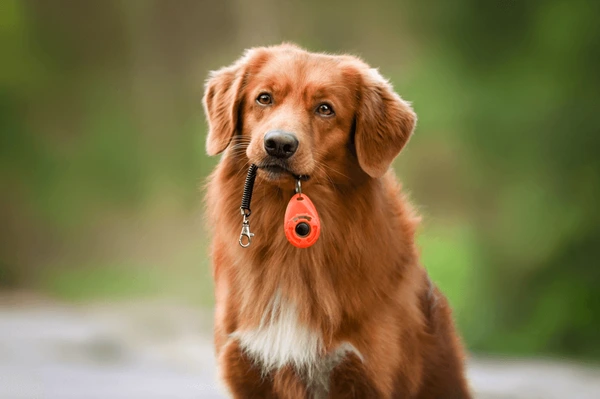
Clickers are another valuable tool that aids in precise training. This device helps mark desirable behavior instantly with a unique sound. Pair the click with a treat to create a positive association. Over time, your dog will understand exactly what actions earn rewards. This clarity speeds up the learning process.
Using varied commands and hand signals is an effective technique. Combining verbal cues with visual signals ensures your dog understands in different contexts. This method is particularly helpful in noisy environments where verbal cues may be less effective. Consistent use of commands and signals improves their responsiveness.
Interactive toys and games can also enhance training. These tools provide mental stimulation and make learning fun. Games like fetch or hide-and-seek reinforce recall and other commands. Incorporating play into training keeps your dog engaged. It breaks the monotony of repetitive drills.
Investing in the right tools and techniques sets the stage for successful off-leash training. A mix of long leashes, treats, clickers, and interactive toys can make the journey enjoyable for both you and your dog. Utilizing these resources effectively leads to a reliable off-leash companion.
How Breed, Age, and Temperament Affect Off-Leash Reliability
When training a dog to be reliable off-leash, considering breed, age, and temperament is essential. Different breeds have varying levels of instinct and trainability. For instance, herding breeds like Border Collies are usually more responsive. In contrast, some hounds, which are scent-driven, may be challenging off-leash. Knowing your dog’s breed traits can guide your training approach.
Age is another significant factor in off-leash training. Puppies are more adaptable but may also get easily distracted. Older dogs can learn new skills, but training may take longer. Each age group has its unique challenges and advantages. Tailor your training to match your dog’s life stage.
Temperament affects how a dog responds to training. An anxious dog may need more time and a gentler approach. Confident dogs might pick up commands faster but can be headstrong. Understanding your dog’s personality helps in customizing the training. Adjust your techniques to fit their comfort level.
Keep in mind that individual differences exist within breeds. Not all dogs of the same breed will react the same way. Some Labradors may be easygoing, while others could be more energetic. Observe your dog to understand their specific needs. Personalizing training leads to better outcomes.
Consistency in training helps dogs of all breeds, ages, and temperaments. Regular sessions tailored to each dog’s unique characteristics yield the best results. Whether your dog is young or old, calm or energetic, adapting your methods ensures success. Flexibility and understanding make training more effective.
Ways to Strengthen Off-Leash Skills Over Time
Strengthening off-leash skills takes consistent effort and creativity. One effective method is to integrate training into daily walks. Use opportunities to practice commands and recall. This makes training feel less formal and more like a part of everyday life. It’s an easy way to reinforce good behavior regularly.
Another technique is to join dog-friendly activities and events. These environments provide both socialization and training opportunities. Group settings can help your dog get used to being off-leash around other dogs and people. They also offer a variety of distractions for your dog to work through. It’s a fun way to strengthen their skills.
Regularly changing training locations can also boost off-leash reliability. New environments present different challenges and distractions. This teaches your dog to stay focused regardless of setting. Consider training in parks, urban areas, and even trails. Diversifying locations helps in building a well-rounded skill set.
Playing structured games like fetch or hide-and-seek can be very beneficial. These games keep your dog engaged while practicing recall and other commands. The fun element keeps their interest high. It’s a great way to mix training with playtime. Games can make learning enjoyable for both you and your dog.
Advanced training classes are another way to enhance off-leash skills. Professional trainers offer structured courses that challenge and refine your dog’s abilities. These classes often include specialized techniques and exercises. Enrolling can provide valuable insights and additional practice. It’s an excellent option for continued development.
Finally, set achievable milestones to monitor progress. Gradually increase the difficulty of tasks as your dog improves. Celebrating small victories keeps both you and your dog motivated. Consistent practice and gradual progression are key. With time and effort, off-leash reliability will strengthen.
Frequently Asked Questions
Training a reliable off-leash dog requires patience and consistency. Here are some commonly asked questions to help guide you through the process.
1. How long does it take to train a dog to be off-leash?
The duration to train a dog to be off-leash varies widely. It depends on the dog’s breed, age, temperament, and prior training. Some dogs may learn quickly in a few months. Others may take several months or even longer. Consistent, regular training sessions and positive reinforcement are key to success.
Training should never be rushed; every dog learns at their own pace. The focus should always be on building a strong foundation. Gradually work in different environments and distractions. Celebrate small victories along the way to keep both you and your dog motivated. Patience and persistence are crucial.
2. What are some common distractions to prepare for during off-leash training?
During off-leash training, it’s important to prepare for a variety of distractions. Common distractions include other animals, people, vehicles, and interesting smells. Natural wildlife such as birds or squirrels can also capture your dog’s attention. Gradually introduce these elements to improve your dog’s focus.
Start with mild distractions and progressively increase the difficulty. Practicing in different locations like parks, urban areas, and trails helps. Consistent practice in varied environments makes your dog more adaptable. Over time, your dog will learn to stay focused despite various distractions.
3. Is positive reinforcement the best method for off-leash training?
Positive reinforcement is widely considered the best method for off-leash training. It involves rewarding your dog with treats, praise, or play for desired behaviors. This method strengthens the bond between you and your dog and fosters trust. Unlike punishment, positive reinforcement motivates dogs to learn.
Using rewards makes training enjoyable and encourages your dog to repeat good behavior. Consistency in rewarding desired behaviors reinforces learning. It’s important to immediately reward your dog after they perform the correct action. This helps them clearly associate the behavior with the reward, making training more effective.
4. Can all dogs be trained to be off-leash?
Not all dogs are suitable for off-leash training. Some breeds are more independent or easily distracted, making off-leash training challenging. Dogs with high prey drives or anxiety issues may also struggle. It’s important to know your dog’s personality and traits before starting.
Assessing your dog’s suitability for off-leash training involves observing their behavior and responsiveness. Consulting with a professional trainer can provide valuable insights. Always prioritize your dog’s safety and well-being. Not every dog will thrive off-leash, and that’s perfectly okay.
5. How can I ensure my dog’s safety during off-leash training?
Ensuring your dog’s safety during off-leash training is crucial. Start in a safe, enclosed area like a fenced yard or empty park. Use a long training leash initially to maintain control. Always carry high-value treats to reward your dog and keep their focus on you.
Gradually increase the freedom as your dog becomes more reliable. Avoid areas with heavy traffic or hazardous elements. Being attentive and vigilant during training sessions is essential. Regularly check the training environment for potential dangers to ensure your dog’s safety.
Conclusion
Training a reliable off-leash dog is a rewarding journey that requires patience and strategy. Each step, from building trust indoors to handling outdoor distractions, is crucial. Consistency and positive reinforcement are key elements. These methods ensure that your dog learns effectively and enjoys the process.
Understanding your dog’s breed, age, and temperament tailors the training to their needs. With the right tools and techniques, you can navigate common challenges. Keep practicing and adapting to different situations. Over time, your dog will become a trustworthy off-leash companion.
"*" indicates required fields