
How To Train A Dog With Fear-Based Aggression
Fear-based aggression in dogs can be both heart-wrenching and perplexing for owners and experts alike. A staggering number of dogs in shelters exhibit behavioral issues linked directly to past traumas. To tackle this, it begins with understanding the roots of their fear and aggression.
The history behind fear-based aggression often stems from neglect or abuse in formative years. Statistics indicate that roughly 60% of aggressive dogs have traumatic backgrounds. A tailored and empathetic approach, including positive reinforcement, can significantly alter a dog’s responses and behaviors, moving them towards a calmer, more stable life.
- Identify triggers causing the fear-based aggression.
- Create a safe environment and establish trust.
- Use counter-conditioning and desensitization techniques.
- Implement positive reinforcement consistently.
- Monitor progress and adjust training strategies as needed.
- Seek professional help for severe cases or persistent issues.
How to Train a Dog With Fear-Based Aggression
Training a dog with fear-based aggression requires patience and understanding. Start by identifying the triggers that cause fear in your dog. These triggers could be sounds, smells, or specific situations. Keeping a journal can help track these triggers effectively. This allows for targeted training sessions that address each trigger specifically.
Building trust is crucial in handling fear-based aggression. Spend time with the dog in a safe environment and engage in calm activities like petting and gentle play. Over time, this helps the dog feel secure and reduces fear responses. Positive interactions can help change the dog’s perception from negative to positive.
Counter-conditioning and desensitization are effective techniques. Counter-conditioning involves changing the dog’s negative reaction to a positive one through treats and praise. Desensitization means exposing the dog to the trigger gradually until the fear response diminishes. Both techniques require consistency and should be done slowly to avoid overwhelming the dog.
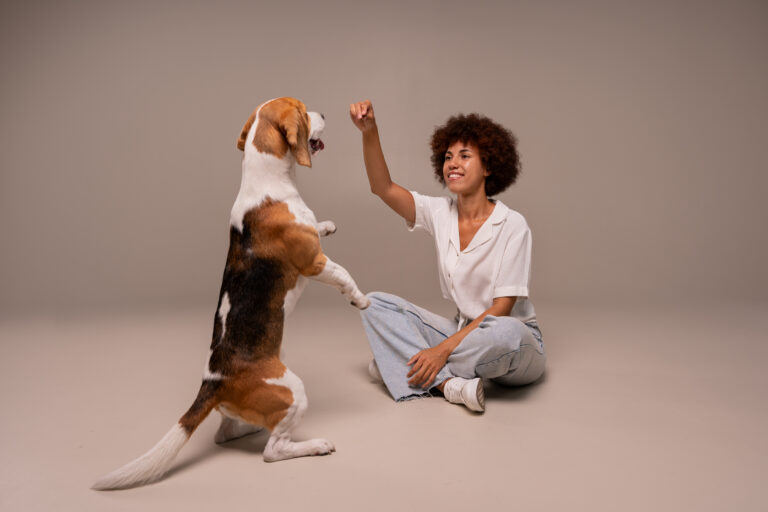
Positive reinforcement is essential in all training sessions. Reward your dog with treats, toys, or praise when they display calm behavior around their triggers. Avoid punishment, as it can worsen the fear and aggression. Creating a happy and encouraging environment leads to better results and a more confident dog.

Step 1: Assess the Root Causes and Triggers
Understanding the root causes of fear-based aggression is essential for effective training. Many dogs exhibit aggression as a defensive response to fear. Identifying the specific triggers can be a bit challenging. These triggers could stem from loud noises, unfamiliar people, or past trauma. Observing your dog carefully can help pinpoint what exactly sets them off.
To start, keep a daily log of your dog’s behavior. Write down any incidents where aggression occurs and note nearby environmental factors. Patterns will likely emerge, helping you identify common triggers. Consulting with a veterinarian or a professional dog trainer can provide additional insights into your dog’s aggressive behaviors.
Once you have identified these triggers, it is essential to assess them methodically. Ask yourself questions like: How frequent is the aggression? Does it happen in specific situations or at certain times? Evaluating triggers helps in planning effective counter-conditioning sessions that address specific fears.
Sometimes, root causes can be deeply embedded due to past negative experiences. In such cases, professional intervention might be required. A behaviorist can offer tailored strategies to diminish fear responses. They may also recommend joining a support group for owners dealing with similar challenges, providing a community of advice and encouragement.
Step 2: Establish Trust and Safe Boundaries
Creating a trustful bond with your dog is crucial to mitigating fear-based aggression. Start by spending quality time together in a stress-free environment. Gentle petting and calm interactions can boost your dog’s confidence. Positive experiences are vital for making your dog feel secure. Integrating games and treats during these moments helps reinforce the bond.
Setting safe boundaries is equally important to ensure your dog feels protected. Establish a designated safe space where your dog can retreat when feeling overwhelmed. This area should be quiet and filled with comforting items like favorite toys or blankets. Frequenting this spot when calm will teach your dog it is a sanctuary.
Consistency in your actions builds trust and security. Always approach your dog calmly and avoid sudden movements that might startle them. Consistent routines, such as feeding schedules and regular walks, add structure to your dog’s day. This predictability can significantly reduce anxiety and promote stable behavior.
Building trust might take time, especially for a dog with a traumatic past. Be patient and avoid forcing interactions. Respect your dog’s need for space to prevent stress. Engaging in everyday activities without pressure helps foster a trusting relationship over time. Communication with a professional dog trainer can provide strategies tailored to your dog’s unique needs.
Step 3: Implement Counter-Conditioning and Desensitization
Counter-conditioning is a technique focused on changing a dog’s reaction from negative to positive. It involves pairing the fear trigger with something pleasant. For instance, if your dog reacts aggressively to men in hats, offer them a treat whenever a man in a hat is nearby. Over time, the dog begins to associate the trigger with positive outcomes. This approach helps reduce anxiety and promotes calm behavior.
Desensitization is another method that complements counter-conditioning. This process involves gradually exposing the dog to the fear trigger at a level that does not induce anxiety. Start with the trigger at a distance or in a less intense form. Gradually increase the exposure as the dog grows more comfortable. The aim is to make the trigger a normal, non-threatening part of their environment.
When implementing these techniques, consistency is key. Pair each exposure to the trigger with rewards like treats, praise, or favorite toys. Consistently positive experiences will reshape how the dog perceives the trigger. Avoid overwhelming the dog by moving too quickly, as this can worsen the fear response.
To track progress, keeping a detailed log can be beneficial. Note the dog’s reactions during each session and any improvements seen. This helps adjust the approach as needed. Observations should include the intensity of fear, the duration of exposure, and the type of reward used. Sharing these logs with a professional trainer can provide additional insights and tailored guidance.
Including a supportive environment is crucial for success. Enlist the help of family members to maintain a calm and encouraging atmosphere. Communication within the household ensures everyone follows the same training methods. This unified approach can significantly enhance the effectiveness of counter-conditioning and desensitization.
Step 4: Introduce Positive Reinforcement Techniques
Positive reinforcement is an effective strategy for training dogs with fear-based aggression. This method involves rewarding the dog for desired behaviors. Treats, praise, and favorite toys are common rewards. The goal is to encourage repeat behaviors through positive experiences. Consistency in rewarding desirable actions is essential.
Using treats can be particularly effective. Choose high-value treats that your dog loves. Offer these treats immediately after your dog displays calm behavior. This immediate reward reinforces the idea that good behavior results in positive outcomes. Over time, your dog will associate the calm behavior with the treats.
Praise is another powerful tool in positive reinforcement. Verbal affirmations like “Good job!” or “Well done!” can significantly uplift a dog’s mood. Combine verbal praise with physical affection like petting or cuddling. These actions can make the dog feel loved and secure, reducing its fear responses.
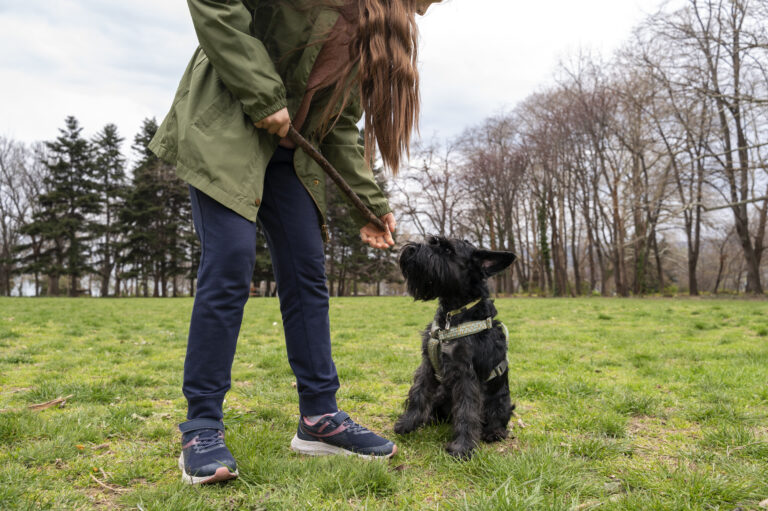
In addition to treats and praise, interactive play can serve as a reward. Games like fetch or tug-of-war can be very motivating. Use these activities as rewards for good behavior. A playful environment fosters a positive relationship and helps reduce aggression.
Consistency is key in positive reinforcement. Make sure everyone in the household understands the importance of rewarding good behaviors. A unified approach ensures the dog receives consistent affirmations. This consistency can lead to faster and more effective results.
Positive reinforcement also involves avoiding punishment. Punishment can increase fear and aggression. Use gentle correction methods when needed. Focus on reinforcing the positive rather than dwelling on the negative to create a supportive environment for your dog.
Step 5: Monitor Progress and Adjust Training Strategies
Monitoring your dog’s progress is essential for effective training. Track behavioral changes daily in a log or journal. Note any improvements or setbacks. This helps to understand the effectiveness of your current strategies. Adjust your approach based on these observations.
Regular check-ins with a professional trainer can be helpful. They provide expert insights and recommendations. A trainer can assess your dog’s progress and suggest alternative techniques if needed. Consultations ensure you remain on the right track. Collaboration with an expert promotes successful outcomes.
Adjusting training strategies is crucial when progress stalls. Be flexible and ready to change your approach. If one method isn’t working, try another. Some dogs may respond better to different rewards or slower desensitization practices. Tailoring strategies to your dog’s needs leads to better results.
Consistency in monitoring ensures continued improvement. Regularly assess your dog’s reactions to various triggers. Keep notes on what works best. This continuous evaluation allows for quick adjustments. It’s important to stay proactive in your training efforts.
Involving the entire household in monitoring and adjusting strategies can be beneficial. Family members should be aware of the dog’s progress and training methods. A coordinated effort ensures everyone supports the same goals. Unified actions can enhance the effectiveness of the training.

Common Challenges When Training Fearful and Aggressive Dogs
Training dogs with fear-based aggression presents unique challenges. One common issue is determining the root cause of fear. This requires careful observation and sometimes professional assessment. Without identifying the source, it becomes difficult to apply effective strategies. Consistent monitoring helps in pinpointing these triggers.
The unpredictability of fear responses can complicate training efforts. Dogs may react differently depending on the situation or environment. What works at home might not work in public settings. This inconsistency demands adaptable and flexible training approaches. Tailoring methods to each scenario is necessary.
Maintaining patience is another significant challenge for trainers and owners alike. Progress can be slow, taking weeks or even months to notice improvements. It’s easy to become frustrated, but persistence is key. Recognizing small victories can help keep motivation high during tough times.
Avoiding punishment despite aggressive behaviors can be hard but crucial for long-term success. Punitive measures often exacerbate fear and aggression rather than resolve them. Positive reinforcement takes precedence even when facing challenging situations.
Coordinating a unified approach among all household members is essential yet challenging. Everyone must be consistent in their responses and techniques used with the dog. Mixed signals from different people can confuse the dog and slow progress.
Lastly, knowing when to seek professional help poses difficulty for many owners. Some might try handling severe cases themselves without realizing when expert intervention is needed most likely due to underestimating the severity of their dog’s condition.
When to Seek Professional Help for Aggressive Behavior
Understanding when to seek professional help for aggressive behavior in dogs is crucial. Severe cases of aggression, especially those involving biting or intense fear responses, often require expert intervention. If your dog’s behavior poses a danger to people or other animals, it’s time to consult a professional. Immediate assistance can prevent escalation and ensure everyone’s safety.
Persistent aggression despite consistent training efforts can indicate deeper issues. If you’ve tried multiple methods without success, a professional can provide a fresh perspective. Their expertise allows for the identification of underlying factors you might have missed. Additionally, they can tailor advanced strategies specific to your dog’s needs.
Behaviorists specialize in severe and complex cases. These experts conduct thorough assessments to understand the root causes of aggression. They develop comprehensive treatment plans that include targeted techniques. Working with a behaviorist can significantly improve the effectiveness of the training.
Veterinarians are also valuable resources. Health problems like pain or illness can trigger aggressive behavior. A vet can perform medical evaluations to rule out or treat these issues. Addressing any health concerns can alleviate aggression and improve your dog’s overall well-being.
In some cases, medication might be necessary. Professional trainers and veterinarians can prescribe medications to help manage extreme aggression or fear. Combined with behavioral therapy, medication can be an effective part of the treatment plan. Consult a professional to explore all available options for your dog.
Lastly, consider reaching out for professional help if aggression impacts the quality of life for you and your dog. Expert guidance can offer peace of mind and foster a safer, happier living environment. Timely intervention leads to successful outcomes and a better relationship with your dog.
Role of Environmental Management in Reducing Fear-Based Aggression
Environmental management plays a crucial role in reducing fear-based aggression in dogs. Creating a safe and predictable environment can significantly diminish anxiety. Eliminating stressors like loud noises or sudden movements can help the dog feel more secure. Maintaining a calm atmosphere benefits both the dog and the household. Consistency in routines also fosters a sense of safety.
Designating safe spaces within the home is important. These areas should be free from potential triggers. Include comforting items such as favorite toys, beds, and blankets. This space allows the dog to retreat when feeling overwhelmed. Over time, the dog will learn to associate this area with safety and relaxation.
Utilizing calming aids can support environmental management. Items like pheromone diffusers and calming music can soothe anxious dogs.
- Calming beds
- Weighted blankets
provide additional comfort. These aids help create an overall peaceful environment that mitigates fear responses.
Proper socialization is another key aspect. Gradually expose the dog to new environments and people in a controlled manner. This should be done at a pace that does not stress the dog. Rewarding positive interactions with treats and praise reinforces calm behavior. Encouraging positive experiences aids in reducing fear over time.
Outdoor management should also be considered. Secure fencing and supervised outdoor activities prevent encounters with potential triggers. Controlled walks in familiar areas can be beneficial. Avoid busy or chaotic places that might overwhelm the dog. Structured and calm outdoor routines support a well-managed environment.
Overall environmental management strategies require consistent effort. Monitoring changes in the dog’s behavior is essential for adjusting approaches. Collaborating with professionals can provide additional tips tailored to your dog’s needs. This combined effort leads to a more secure and confident dog.
Long-Term Support for Dogs with a History of Fear-Based Aggression
Long-term support is essential for dogs with a history of fear-based aggression. Maintaining consistent training practices helps solidify positive behaviors. Repetition and regular reinforcement ensure the dog retains progress. Over time, these practices become second nature to the dog. A stable environment enhances this continuity.
Continued access to safe spaces is crucial. Keep designated areas within the home available for the dog’s retreat. Providing these spaces offers ongoing reassurance. This reduces the risk of regression in fearful behaviors. Comforting items within these spaces should be maintained without change.
Ongoing professional guidance can be beneficial. Regular sessions with a dog trainer or behaviorist help address new challenges that arise. Professionals can offer advanced techniques suitable for long-term progress. Their insights help in adapting strategies as the dog’s needs evolve.
Socialization needs to be a consistent effort. Regular, controlled exposure to new environments and people is important.
- Visits to quiet parks
- Interactive playgroups
can aid in maintaining social skills. Positive reinforcement during these interactions is vital for continued improvement.
Health monitoring is equally important. Regular veterinary check-ups ensure that no underlying issues contribute to aggressive behavior. Discussing behavioral progress with the veterinarian allows for a holistic approach. Nutrition and overall health directly impact the dog’s mental state.
Building a supportive community can provide additional aid. Engaging with support groups for dog owners facing similar challenges offers shared experiences and advice. These communities can be valuable for tips and emotional support. Together, they foster a nurturing environment for both the dog and the owner.
Frequently Asked Questions
Fear-based aggression in dogs can be challenging to handle. Here are answers to common questions that experts often address to help you understand better.
1 How can I identify triggers for my dog’s aggression?
Identifying triggers involves observing your dog’s behavior closely. Watch for specific situations, objects, or people that cause fear. Keep a journal to note these occurrences. Consulting with a veterinarian or a behavioral expert can also provide insights to pinpoint triggers effectively.
Regularly monitor your dog’s reactions in different settings. This helps to build a pattern of triggers. Once identified, targeted interventions can be applied. Consistent observation is key to successfully managing these triggers.
2 What methods are effective in building trust with an aggressive dog?
Building trust requires patience and consistent positive interactions. Engage in calm activities such as petting and gentle play. Reinforce positive behavior with treats and praise. Creating a safe and predictable environment is crucial for building trust. Regular routines help your dog feel secure.
Allow your dog to approach you at its own pace. Forced interaction can increase fear. Gradual and non-threatening engagement plays a significant role in reinforcing trust. Over time, these positive experiences will create a stable bond with your dog.
3 How can desensitization and counter-conditioning help my dog?
Desensitization involves gradually exposing your dog to the fear triggers in a controlled manner. Start with the trigger at a distance where it doesn’t cause fear. Gradually decrease the distance over time. This process helps your dog become more comfortable with the trigger.
Counter-conditioning pairs the fear trigger with positive outcomes, like treats or praise. Whenever your dog encounters the trigger, offer a reward. This shifts the dog’s perception from negative to positive. Both methods require consistency for the best results.
4 What should I do if my dog’s aggression persists despite training?
If aggression continues despite consistent training, it might be time to seek professional help. Consulting with a dog trainer or behaviorist can provide advanced strategies tailored to your dog. Professionals can identify underlying issues that may not be apparent.
A veterinarian can also check for health problems contributing to aggression. Sometimes, underlying medical conditions can cause behavioral changes. Getting expert assistance ensures a comprehensive approach to handling persistent aggression.
5 Are there specific tools or aids that can help reduce my dog’s fear-based aggression?
Several tools can support reducing fear-based aggression.
- Pheromone diffusers
- Calming beds
- Weighted blankets
can create a soothing environment for your dog. These aids help in promoting a sense of calm and security.
Interactive toys and treat dispensers can engage your dog positively, diverting attention from triggers. Consistent use of these tools, along with positive reinforcement, supports progress. Consult with a professional to choose the best aids for your dog’s specific needs.
Conclusion
Training a dog with fear-based aggression is a complex task requiring patience and consistency. Understanding the dog’s triggers and building a trustful relationship are crucial steps. Positive reinforcement and professional help play significant roles in achieving success. These strategies ensure a happier, more stable pet.
Long-term support and proper environmental management help maintain progress. Adapting methods as needed and staying vigilant in monitoring behavior are essential. With dedication, owners can help fearful dogs lead more confident lives. Every small step forward is a victory worth celebrating.
Location Pages ONLY - Web Lead Contact Form
"*" indicates required fields