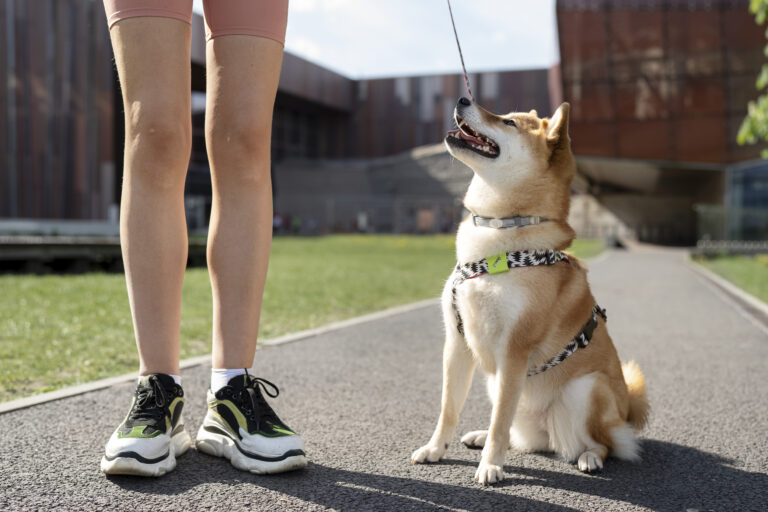

Mastering Puppy Training: How to Keep Your Pup Focused and Engaged
Understanding the Importance of Focus in Puppy Training
Mastering puppy training starts with understanding how puppies learn and what keeps their attention. Young dogs are naturally curious and easily distracted, making engagement one of the most important foundations of successful training. By using short sessions, positive reinforcement, and age-appropriate challenges, you can keep your puppy motivated while building obedience, confidence, and a lifelong love of learning.
Training a puppy to focus is a fundamental aspect of ensuring effective obedience and proper behavior management. A focused puppy is more likely to respond positively to commands, creating a safer and more enjoyable pet ownership experience. For example, when a puppy is attentive, it’s easier for them to learn commands like “sit” or “stay,” which can prevent dangerous situations, such as running into traffic. Additionally, consistent training enhances the bond between the puppy and the owner, facilitating better communication and understanding.
When puppies are focused during training, they are more receptive to learning new skills and behaviors. This focus not only aids in basic obedience but also provides a foundation for more advanced training as they grow. A puppy that has learned to concentrate is better equipped to navigate distractions in their environment, making them more adaptable companions.

Importance of Consistency in Training
Regular training sessions play a crucial role in reinforcing learned behaviors, making them more reliable over time. Establishing a training schedule of two to three times a week with short sessions, typically lasting 5 to 10 minutes, aligns well with a puppy’s limited attention span. For instance, a puppy that practices commands consistently is more likely to remember them, leading to quicker learning and less frustration for both the owner and the pet.
Moreover, maintaining consistency in commands and training techniques is key to preventing confusion. Using the same cues for commands—such as “come” or “stay”—helps puppies understand expectations, which builds trust in their owners. This clarity not only fosters a positive learning environment but also strengthens the puppy-owner relationship.
Techniques to Minimize Distractions
One effective way to keep a puppy focused during training is to gradually introduce distractions. Starting in a distraction-free environment allows puppies to learn without the temptation of external stimuli. For example, beginning training in a quiet room helps establish basic focus before moving on to busier settings, such as a park or backyard.
As puppies progress, it’s beneficial to create physical barriers to minimize the impact of distractions. This could mean using a leash to keep the puppy close or training in a fenced area where they can focus on their owner without being tempted to chase after other animals. Additionally, teaching commands like “watch me” can redirect the puppy’s attention back to the owner, reinforcing their engagement during training [3].

The Role of Positive Reinforcement
Positive reinforcement is a cornerstone of effective puppy training, significantly enhancing a puppy’s willingness to learn and respond to commands. When a puppy receives treats, praise, or playtime for showing focus or successfully following a command, they are more likely to repeat that behavior in the future. For instance, if a puppy sits on command and is rewarded with a tasty treat, they associate this behavior with positive outcomes, strengthening the desired response.
Immediate reinforcement is crucial to effectively strengthen desired behaviors. Using varied rewards—such as toys, treats, or verbal praise—can keep training sessions exciting and engaging for the puppy. For example, alternating between a favorite toy and a treat can maintain the puppy’s interest, making them eager to participate in training.
Recommended Training Duration and Frequency
For optimal results, training sessions for puppies should ideally last between 1 to 5 minutes, tailored to their attention span. Frequent, short sessions have proven to be more effective than longer, less frequent ones when it comes to maintaining focus and encouraging learning. Training during times when the puppy is naturally more receptive, such as before meals or after playtime, can also yield better results.
As the puppy matures and their attention span grows, it’s important to gradually increase the length of training sessions. Monitoring the puppy’s behavior will provide insights into whether adjustments are necessary to maintain engagement and effectiveness in learning.
Tips for Keeping a Puppy Engaged
Keeping a puppy engaged during training can be achieved by using high-value treats or favorite toys as rewards. Incorporating focus games such as “find it” or “touch” can significantly enhance a puppy’s attention skills while making training fun. For example, hiding treats around the house and encouraging the puppy to find them not only engages their senses but also builds their focus and problem-solving abilities.
Changing training locations can also spark a puppy’s interest and curiosity, stimulating their engagement during sessions. Additionally, introducing new commands or tricks can keep training fresh and exciting. For instance, teaching a puppy to roll over or play dead can capture their attention and encourage them to participate more actively in sessions.
Socializing a Puppy
Socialization experiences are essential for building a puppy’s focus by exposing them to various environments and distractions. Positive interactions with other dogs and people help improve a puppy’s confidence, which can reduce anxiety during training sessions. For instance, taking a puppy to a dog park where they can safely interact with other dogs while practicing commands can reinforce their training in a real-world setting.
Gradually exposing puppies to new experiences should be conducted alongside training to foster adaptability. Participating in puppy classes provides excellent socialization opportunities while reinforcing training commands, helping puppies learn to focus despite external distractions. Consistent socialization is vital for enhancing a puppy’s overall training experience and focus.
Strategies for Long-Term Focus Development
Establishing routines that incorporate focus-building activities throughout the day can significantly enhance a puppy’s concentration. Integrating training into everyday situations, such as during walks or playtime, makes learning a part of daily life. For example, asking a puppy to “sit” before crossing the street reinforces their focus in practical scenarios.
Monitoring progress and adjusting techniques as needed ensures continuous improvement in focus and obedience. Celebrating achievements, no matter how small, fosters a positive training atmosphere, keeping motivation high for both the owner and the puppy. Encouraging engagement beyond formal training by incorporating play and exercise will strengthen the puppy’s overall focus and behavior, contributing to a well-rounded, obedient companion.
Location Pages ONLY - Web Lead Contact Form
"*" indicates required fields