
How To Build A Morning Routine That Includes Dog Training
Most dog owners are unaware that training for just 15 minutes a day can lead to significantly better behavior in their pets. Establishing a morning routine that includes dog training not only strengthens the bond between you and your pet but also ensures a more productive day overall. A well-planned routine serves as the backbone for consistent training.
The concept of incorporating dog training into a morning schedule is not new; ancient civilizations used to train their dogs at sunrise to maximize their alertness and efficiency. According to the American Kennel Club, nearly 87% of dogs who receive regular training demonstrate improved obedience and fewer behavioral issues. By addressing this in your morning routine, you’re not just creating a well-behaved pet, but also fostering discipline and order in your own day.
- Wake up at the same time each day to establish consistency.
- Engage in light exercise with your dog to burn off excess energy.
- Incorporate short training sessions focused on basic commands.
- Integrate play and physical exercise after training.
- Review progress regularly and make incremental increases.
- Encourage and reward your dog consistently to reinforce good behavior.

How to Build a Morning Routine That Includes Dog Training
Creating a morning routine that includes dog training begins with consistency. Start by waking up at the same time each day, giving your dog a sense of stability. Spend the first few minutes engaging in light activities like playing fetch or a short walk to burn off excess energy. This prepares your dog for focused learning. Remember, consistency helps both you and your dog stay in sync.
After the initial playtime, incorporate short training sessions. These should be about 10-15 minutes long to keep your dog engaged. Focus on basic commands such as sit, stay, and leash walking. Use positive reinforcement, like treats or praise, to reward good behavior. This keeps the training fun and effective.
Integrating play and exercise into your morning routine is also important. After the training session, allow your dog some free time to play or exercise. This helps to reinforce the commands learned during training. It also ensures your dog remains physically active and happy. A balanced approach keeps your dog mentally and physically stimulated.
Review and adjust your routine as needed. Dogs may need different types of training as they grow and develop. Make small changes to the routine to keep it interesting and challenging. Consistent, daily training builds a strong bond between you and your dog. It also makes mornings more enjoyable for both of you.
Step 1: Wake Up and Prepare
The first step to building a morning routine that includes dog training starts with waking up and preparing. Set a specific time to wake up each day. This consistency helps regulate both you and your dog’s internal clocks. Begin with some light stretching or a quick shower to fully wake up. This ensures you’re alert and ready to focus on your dog.
After you’re ready, turn your attention to your dog. Greet them affectionately to establish a positive start. Remember to feed them a small, light meal if needed, but avoid heavy feeding. This helps keep them motivated for training. Make sure to have treats and toys handy for reinforcement.
Preparing your environment is equally crucial. Choose a quiet space for the training session. This minimizes distractions and keeps your dog focused. Gather necessary training tools like leashes, clickers, or treat pouches. Having everything in one place makes the session smoother.
Finally, set your training goals for the day. Think about which commands or behaviors you want to focus on. Write a brief plan if it helps you stay organized. This preparation sets the stage for a successful training session. Having clear objectives maximizes progress and keeps your dog engaged.
Step 2: Incorporate Short Training Sessions
Once you’ve prepared, the next step is to incorporate short training sessions into your morning routine. These sessions should last between 10-15 minutes to keep your dog engaged. Consistency is key; aim to train at the same time each morning. Start with basic commands like sit and stay. Use positive reinforcement to reward successful tasks.
It’s essential to keep these sessions focused. Avoid overwhelming your dog with too many new commands in one go. Stick to one or two behaviors per session. Gradually build up their skills over time. Use treats, toys, and praise to keep their interest and motivation high.
Breaks are important too. Allow your dog brief moments of rest to avoid fatigue. Observe their body language for signs of stress or frustration. If necessary, take a short play break. This balances learning with relaxation.
Adjust the sessions based on your dog’s progress. Some dogs learn quickly, while others may need more time with certain commands. Modify the training exercises to suit their learning pace. This ensures that your dog remains confident and enthusiastic. Regular short sessions build a strong foundation for more advanced training later.
Step 3: Integrate Play and Exercise
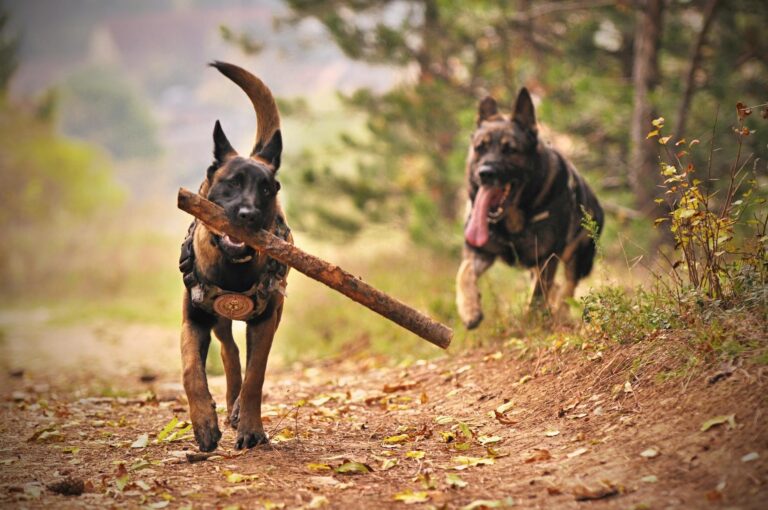
After training sessions, it’s important to incorporate play and exercise into your routine. Dogs need physical activity to stay healthy and happy. Start with a brisk walk or a quick run around the yard to burn off any excess energy. This not only helps them stay fit but also reinforces the commands learned during training. Engaging in playtime builds a stronger bond between you and your dog.
Interactive games are a great way to mix play and exercise. Activities like fetch, tug-of-war, or agility training offer mental stimulation as well. These games challenge your dog’s mind and keep them engaged. Dogs naturally enjoy these activities, making them an effective way to maintain their interest. Regular play sessions contribute to their overall well-being.
Consider incorporating different types of exercise. Varying the activities prevents boredom and keeps your dog motivated. For example, swim sessions provide excellent low-impact exercise, especially for older dogs. Hiking and exploring new trails can add excitement to their routine. Diverse exercise options cater to different energy levels and preferences.
Use toys that promote active play. Items like frisbees, balls, and puzzle toys encourage physical exertion while stimulating their brain. Invest in durable toys that are safe and appropriate for your dog’s size and breed. Rotate toys regularly to maintain their interest. This variety keeps playtime fresh and exciting.
Monitor your dog’s response to exercise. Pay attention to signs of fatigue or overexertion. Adjust the intensity and duration of play sessions accordingly. Ensuring they get enough rest is just as important as the exercise itself. A balanced approach promotes long-term health and happiness.
Step 4: Consistent Review and Incremental Increases
Reviewing progress is a key element in a dog’s training regimen. Regularly assessing what your dog has learned helps reinforce good behavior. It also highlights areas that may need more attention. Set aside time each week to review previously taught commands. Consistency solidifies learning and ensures steady improvement.
Incremental increases keep your dog challenged and engaged. Gradually intensify training exercises as your dog masters the basics. This could involve more complex commands or increasing the duration of training sessions. Small, manageable steps prevent your dog from becoming overwhelmed. It keeps their skills sharp and their mind agile.
Track progress to measure development effectively. Keep a simple training log to record successes and areas for improvement. This can be as straightforward as a checklist or journal. Consistent tracking helps identify patterns and informs future training plans. It provides a clear picture of your dog’s growth over time.
Introduce new challenges gradually to avoid frustration. Not every dog learns at the same pace. Adjust your approach based on your dog’s unique needs. This personalized method ensures they remain confident and motivated. It also makes training more enjoyable for both of you.
Regularly updating your training methods keeps sessions interesting. Incorporate different techniques or tools to maintain your dog’s interest. This could be varied commands or new training aids. An evolving approach keeps training dynamic and engaging. It helps sustain your dog’s enthusiasm for learning.
Step 5: Encourage and Reward
Encouraging and rewarding your dog is crucial for successful training. Positive reinforcement helps to build a strong connection between actions and rewards. Offer treats or praise immediately after your dog follows a command correctly. This keeps the behavior fresh in their mind. Consistent rewards motivate your dog to repeat good behavior.
Variety in rewards can also be beneficial. Treats, toys, and affection are all effective forms of positive reinforcement. Use different types of rewards to maintain your dog’s interest. For example, a high-value treat for a more challenging command. This strategy keeps training exciting and rewarding.
Timing is key when rewarding your dog. Immediate praise or treats reinforce the behavior effectively. Delayed rewards can confuse your dog about what they are being rewarded for. Clear, timely rewards help them understand exactly which action was correct. Precision in this step is essential for effective training.
Encouragement doesn’t always have to be in the form of a treat. Positive words and petting can also be powerful motivators. A cheerful voice and a pat on the head let your dog know they’re doing well. This type of encouragement fosters a loving and supportive training environment. It helps strengthen your bond with your dog.
Recognize and celebrate progress, no matter how small. Every step forward is an achievement. Consistent encouragement helps maintain your dog’s enthusiasm. Regular rewards reinforce positive behavior and build confidence. Celebrating successes makes training a positive experience for both you and your dog.
Benefits of Training Your Dog in the Morning
Training your dog in the morning comes with numerous benefits. Firstly, it ensures that training becomes a consistent part of your daily routine. Dogs thrive on consistency and structure. A morning session sets the tone for the day, making your dog calm and attentive. This habit instills discipline and predictability.
Mornings tend to be quieter, providing fewer distractions for dogs. The reduced noise level allows for better focus during training sessions. This focused environment helps your dog learn commands more effectively. Early hours are typically free from bustling activities, creating an ideal learning setting. Less distraction means more productivity in mastering new tricks.
Early training sessions can improve a dog’s physical health too. Regular morning exercise helps maintain their weight and overall fitness. Training combined with physical activity keeps your dog agile and energetic throughout the day. Morning sunlight is beneficial for both you and your pet’s health as well. It promotes better regulation of sleep patterns.
Training in the morning also enhances mental stimulation for dogs. Starting the day with problem-solving tasks keeps their mind sharp and active. Mental exercises are just as crucial as physical ones for maintaining overall well-being. It prevents boredom-induced behaviors later in the day. A mentally stimulated dog is less likely to develop destructive habits.
A morning routine that includes training strengthens the bond between you and your pet too. Spending quality time together early in the day fosters trust and understanding between you both. This shared activity improves communication skills over time.This enhanced relationship leads to a happier pet-owner duo.
Tools and Resources for Effective Morning Dog Training
To effectively train your dog in the morning, having the right tools and resources is crucial. A good quality leash and collar are fundamental. Choose a leash that offers control and comfort. Collars should be snug but not too tight. These basics ensure your dog is secure during training sessions.
Training treats are essential for positive reinforcement. Opt for small, tasty treats that are easy to digest. You can also use toys as rewards to keep your dog motivated. Consistent rewards encourage repetition of good behavior. Make sure to have a variety of treats and toys on hand.
Investing in a clicker can also be beneficial. Clicker training is a popular method due to its effectiveness. The click sound marks the exact moment your dog performs the desired action. This helps in faster learning and clear communication. Clickers are inexpensive and easy to use.
There are various training apps and online resources available too. These tools offer tips, tutorials, and tracking features to monitor progress. Many apps provide step-by-step training guides. Utilizing these resources can enhance your training efficiency. They can also keep you updated on the latest training techniques.
Personalized training aids like harnesses or gentle leaders can make a difference. These tools help manage dogs that pull or are overly excited. They provide better control and can make training sessions smoother. Evaluate your dog’s specific needs to choose the right tools. Tailoring your approach ensures more effective training.
Books and videos from reputable trainers offer valuable insights. They provide expert advice and proven strategies for effective training. Refer to these materials for troubleshooting and advanced techniques. Continuous learning equips you with the knowledge to handle various training challenges. This comprehensive approach leads to productive training sessions.
Tips for Staying Consistent with Your Morning Routine
Maintaining a consistent morning routine can be challenging but is crucial for successful dog training. One effective tip is to set a fixed schedule. Waking up at the same time each day creates a pattern that your dog can anticipate. This regularity helps both you and your dog be better prepared for the day ahead. Over time, it becomes a natural habit.
Prepare the night before to make mornings smoother. Lay out necessary training equipment, treats, and gear before going to bed. This preparation reduces morning stress and allows you to focus on the training itself. A well-organized start sets a positive tone for the session. It ensures that both you and your dog are ready to engage.
Keep training sessions short and focused to stay consistent. Long sessions can lead to burnout for both you and your dog. Aim for 10-15 minutes of concentrated training each morning. This ensures that training remains a fun and manageable part of your routine. Short, regular sessions yield better results over time.
Set small, achievable goals to maintain motivation. Breaking down complex behaviors into smaller steps makes progress more visible. Celebrate these small victories to stay encouraged. This approach keeps your dog engaged and makes consistent training more attainable. It also makes the process more enjoyable.
Accountability can help you stay on track. Share your training goals with a friend or family member. They can provide encouragement and remind you to stick to your routine. Having someone else involved can make consistency easier. It also offers additional support for both you and your dog.
Track your progress to reinforce consistency. Keeping a simple log or journal of training sessions can be motivating. Record what commands were practiced and any notable achievements. This tracking helps you see the progress made and areas needing improvement. Consistent documentation can be a powerful tool for staying committed.

Frequently Asked Questions
Discover answers to common questions about building a morning routine that includes dog training. These insights will help you understand the importance and practical aspects of effective dog training routines.
1. How long should morning dog training sessions be?
Morning dog training sessions should ideally last between 10-15 minutes. This duration helps keep your dog’s attention and maintains their enthusiasm for learning. Short sessions are more effective in preventing fatigue and ensuring consistent progress.
Longer sessions can lead to frustration and diminished focus in your dog. Regularly conducted short sessions are more manageable and enjoyable, enhancing your dog’s ability to retain what they learn.
2. What are the best commands to start with during morning training?
Begin with basic commands such as sit, stay, come, and heel. These commands are fundamental and provide a solid foundation for more advanced training. They are crucial for day-to-day interactions and safety.
Other useful commands include “leave it,” “drop it,” and “bed.” Consistently practicing these commands can improve communication and strengthen the bond between you and your dog.
3. How do you keep a dog motivated during training sessions?
To keep your dog motivated during training, use a variety of treats and toys as rewards. Positive reinforcement such as praise, treats, and playtime encourages them to repeat good behavior. This helps maintain their interest and motivation.
Switching up training activities can also prevent boredom. Incorporate different exercises and games to keep the sessions engaging. Maintaining a positive and fun environment will foster your dog’s enthusiasm to learn.
4. Is it necessary to train your dog at the same time every morning?
Yes, training your dog at the same time every morning helps establish a routine. Consistency in timing provides structure, which dogs thrive on. It sets expectations and makes training a regular part of their day.
This consistency also helps in regulating your dog’s biological clock. They know when to expect their training, making them more prepared and eager to participate. Building a routine fosters discipline for both the dog and the owner.
5. How can you integrate exercise into morning training sessions?
You can integrate exercise into morning training sessions by combining physical activities with command practice. Activities like fetch, running, or agility exercises can be incorporated with training commands. This not only helps in training but also keeps your dog physically fit.
Alternating between commands and playful activities keeps the session lively and effective. Exercise boosts your dog’s energy levels and improves their overall health, making training sessions more productive and enjoyable.
Conclusion
Building a morning routine that includes dog training is essential for creating a disciplined and happy pet. Consistency, short training sessions, and variety in activities help keep your dog engaged and motivated. These practices not only improve your dog’s behavior but also strengthen the bond you share.
By combining basic commands, exercise, and positive reinforcement, you lay a strong foundation for effective training. Remember to adapt the routine as needed to suit your dog’s progress and needs. A well-structured morning routine ensures both you and your dog start the day on a positive note.
"*" indicates required fields