
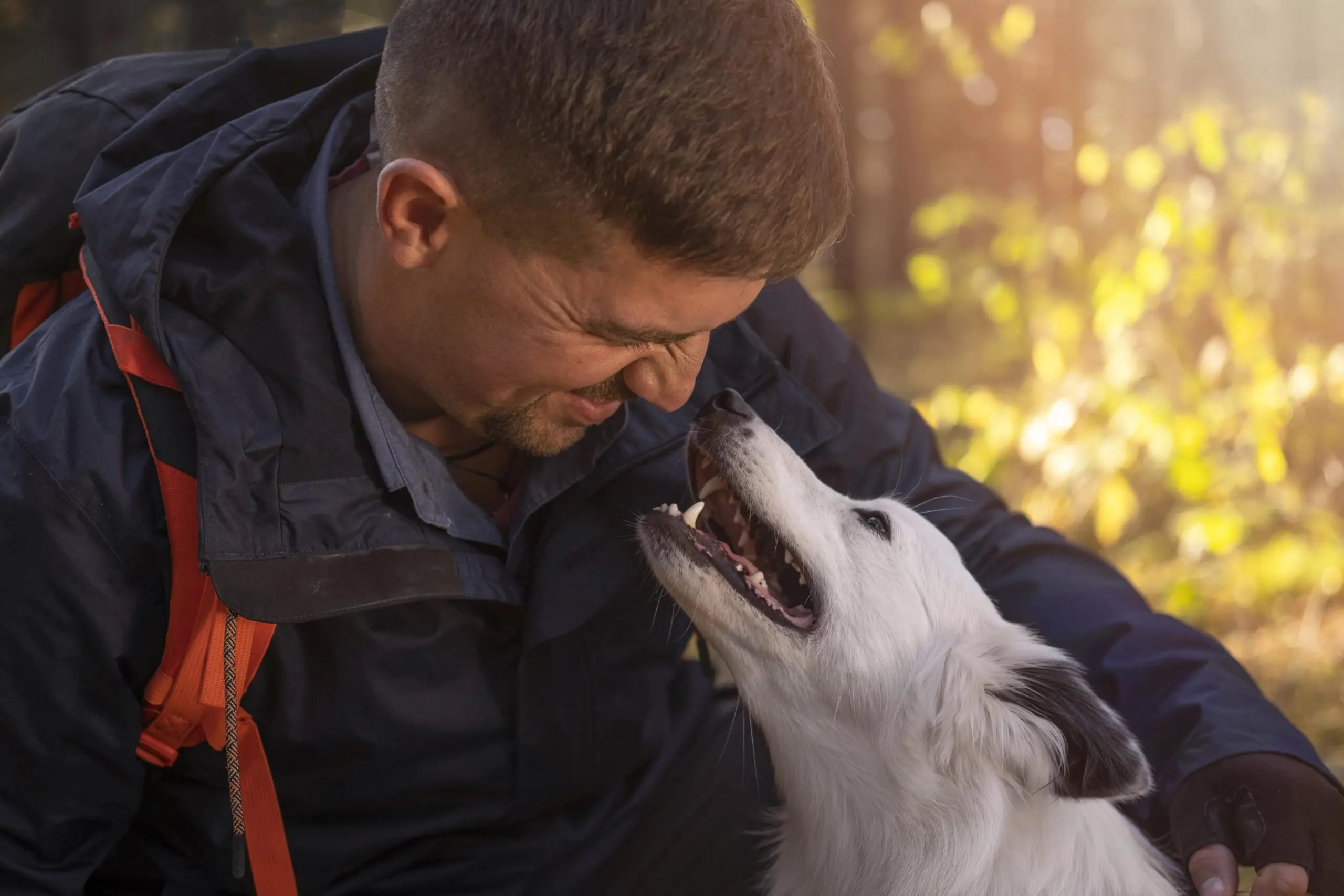
How Obedience Prevents Dogs From Developing Selective Listening
Consider this scenario: a well-trained dog responds consistently and eagerly to its owner’s commands, whether at home or in a bustling park. This highlights the crucial role obedience plays in preventing dogs from developing selective listening. By establishing clear communication and consistent expectations, obedience training ensures that dogs remain attentive and responsive in various environments.
Historically, consistent obedience training has proven effective in mitigating selective listening among dogs. According to a study published by the Journal of Veterinary Behavior, dogs that underwent regular obedience training showed significantly higher levels of attentiveness. This not only strengthens the bond between dogs and their owners but also promotes safety and harmony in their interactions.

Exploring the Role of Obedience in Preventing Selective Listening in Dogs
Obedience in dogs isn’t just about following commands; it builds trust and understanding between the dog and the owner. Dogs that undergo regular obedience training tend to have fewer behavioral issues. They learn to pay attention to their owner’s instructions, even amid distractions. This focused attention reduces instances of selective listening. Over time, it strengthens the overall bond between pet and owner.
Selective listening occurs when dogs choose to ignore commands or respond inconsistently. Obedience training addresses this by reinforcing prompt and consistent responses to cues. By practicing commands regularly, dogs become more reliable listeners. This predictability is crucial, especially in outdoor or potentially dangerous situations. Training sessions also provide mental stimulation, keeping dogs alert and engaged.
Varied techniques in obedience training can prevent selective listening. Using positive reinforcement, such as treats or praise, encourages dogs to follow commands. Consistency in training schedules helps solidify these lessons. Additionally, incorporating play and short training intervals can maintain a dog’s interest. This method ensures training is both effective and enjoyable for the dog.
Obedience training offers numerous benefits beyond reducing selective listening. It improves a dog’s socialization skills and adaptability. Well-trained dogs are more likely to behave appropriately in different environments. They also exhibit better impulse control. With these skills, dogs can safely interact with other animals and people, making outings more pleasant and less stressful for everyone involved.
The Importance of Obedience Training
Obedience training plays a crucial role in a dog’s development and behavior. It provides dogs with clear guidelines and expectations. Knowing what is expected, dogs can navigate their environment with confidence. This training aids in reducing anxiety and confusion. It ultimately helps dogs become well-mannered family members.
A key aspect of obedience training is safety. Dogs that respond promptly to basic commands are less likely to encounter dangerous situations. Commands like “stay” or “come” can prevent accidents, such as running into traffic. Training also helps in managing behavioral issues. It reduces the likelihood of destructive habits, like chewing or barking excessively.
Obedience training fosters socialization skills, making dogs friendlier and more adaptable. During training sessions, dogs often interact with other dogs and humans. This exposure helps them become comfortable in different settings. They learn to behave appropriately around strangers and other animals. Proper socialization is essential for their overall well-being.
Obedience training enhances the bond between dogs and their owners. Through consistent training, dogs learn to trust and respect their humans. Owners, in turn, understand their pets better, leading to a harmonious relationship. The training process involves spending quality time together. This quality interaction strengthens the companionship and mutual respect.
Fostering Attention and Reducing Distractions
Fostering attention in dogs starts with structured training sessions. These sessions should be short and engaging to keep the dog’s interest. Using positive reinforcement, such as treats or praise, encourages the dog to focus. It’s important to gradually introduce distractions while training. This method helps dogs learn to concentrate despite their environment.
Reducing distractions involves creating a conducive training environment. Begin training in a quiet, familiar space before moving to more distracting settings. Gradual exposure to different stimuli can help dogs adapt. Using consistent commands and cues also aids in maintaining focus. Over time, dogs learn to respond to their owner’s voice even when distracted.
Interesting training tools can enhance a dog’s attention span. Toys, clickers, and interactive games can make training sessions enjoyable. These tools make learning fun and engaging. A variety of training methods keeps the dog interested. This diversity prevents boredom and maintains motivation.
Consistency is key to reducing distractions. Regular training sessions help establish a routine. Dogs thrive on predictable patterns, making them more reliable in following commands. Consistent practice also reinforces learned behaviors. This steady approach builds a strong foundation for attention and compliance.
Techniques That Enhance Responding Skills
One effective technique to enhance responding skills in dogs is clicker training. This method uses a clicker device to mark desired behaviors. Each click is followed by a reward, such as a treat or praise. Dogs quickly learn to associate the click with positive outcomes and are motivated to repeat the behavior. This clear and consistent feedback helps reinforce good habits.
Another useful technique is command chaining. This involves teaching dogs to respond to a series of commands in sequence. For instance, training a dog to sit, stay, and come in one go. Each step builds on the previous one, creating a reliable response chain. This method increases the complexity of tasks while keeping the dog engaged and challenged.
Using varying rewards is also beneficial in maintaining a dog’s interest and responsiveness. Different treats, toys, or verbal praises can be used to keep training exciting. Dogs don’t get bored with the same reward every time. Varying rewards can help maintain their enthusiasm. This approach keeps them eager to respond to commands.
Training sessions should be brief and frequent to avoid fatigue and boredom. Short bursts of training, around 10-15 minutes, are more effective than long sessions. Frequent breaks allow dogs to rest and absorb what they’ve learned. Consistency in session timing helps establish a routine. This ensures that training remains positive and productive.
A crucial element in enhancing responding skills is patience and persistence. Not all dogs learn at the same pace, and some may require more repetition. Maintain a calm and encouraging demeanor throughout the process. Celebrate small victories and be patient with setbacks. This supportive approach fosters a positive learning environment for the dog.
Key Benefits of Consistent Obedience Training
Consistent obedience training offers numerous benefits for both dogs and their owners. One significant advantage is improved behavior. Dogs that are trained regularly tend to have better manners. This includes not jumping on guests or pulling on the leash during walks. It makes living with a well-trained dog much more enjoyable.
Another benefit of regular obedience training is enhanced safety. Trained dogs are less likely to run into dangerous situations. They respond promptly to commands like “stay” or “come.” This can prevent accidents and injuries. The ability to control a dog in various environments ensures their well-being.
Obedience training also strengthens the bond between a dog and its owner. Through consistent interaction and training sessions, this bond is deepened. Mutual trust and respect are built over time. Dogs learn to rely on their owners for guidance. This connection leads to a harmonious relationship.
Regular training sessions help in providing mental stimulation for dogs. Engaging their minds with tasks and commands keeps them sharp. It prevents boredom, which can lead to destructive behaviors. A mentally stimulated dog is a happier dog. Training exercises their brain and keeps them content.
- Socialization: Well-trained dogs are more comfortable in social settings.
- Exercise: Training often involves physical activity, promoting health.
- Adaptability: Trained dogs adapt better to new environments and situations.
- Reduced Anxiety: Knowing what is expected reduces stress for dogs.
These benefits highlight the importance of maintaining consistent obedience training.
Case Studies and Success Stories of Obedience Training
One inspiring case involves Max, a rescue dog with severe anxiety issues. Max’s new owners enrolled him in a comprehensive obedience training program. Over several months, Max learned to follow commands and trust his owners. His anxiety reduced significantly. Now, Max confidently interacts with other dogs and people.
An incident with Bella, a high-energy Labrador, showcases another success story. Bella used to jump on strangers and pull on the leash, creating challenging walks. After consistent obedience training, Bella’s behavior transformed. She learned to sit calmly when meeting new people. Walks became enjoyable for both her and her owner.
Another remarkable example features Toby, a beagle known for incessant barking. Toby’s owners sought professional help, and through focused obedience training, the barking was curbed. Toby learned to respond to quiet commands and redirect his energy. His household became much quieter and stress-free.
- Lucy, a shy pup, gained confidence after joining a group training class.
- Rex, known for chasing cars, stopped this risky behavior through targeted commands.
- Molly, who had a habit of chewing furniture, was redirected to appropriate toys.
- Charlie, a playful pup, now listens to his owner even in busy parks.
These stories emphasize the life-changing impact of obedience training.
Each of these success stories highlights different challenges and solutions. Obedience training addresses a wide range of behavioral issues. The personalized approach ensures that each dog’s specific needs are met. These examples prove that with patience, consistency, and the right training methods, even the most problematic behaviors can be corrected.

Frequently Asked Questions
Obedience training for dogs is essential for their development and behavior management. Here are some common questions and answers regarding this vital aspect of dog care.
1. What is the best age to start obedience training for a dog?
The ideal age to start obedience training for a dog is around 8 to 12 weeks old. At this age, puppies are more receptive and can learn basic commands quickly. Early training helps establish good habits and prevents the development of bad behaviors. However, dogs of any age can benefit from obedience training.
If you missed early training, it’s never too late to start. Older dogs can still learn and improve their behavior with consistent training. It might take a bit more patience, but the results are equally rewarding. Engaging an experienced trainer can be beneficial for older dogs who need extra guidance.
2. How does positive reinforcement work in obedience training?
Positive reinforcement involves rewarding a dog for displaying desired behavior. This reward can be in the form of treats, praise, or playtime. By associating the good behavior with positive outcomes, dogs are more likely to repeat it. Over time, positive reinforcement strengthens the learned behavior.
This method is effective and encourages a positive relationship between the dog and the owner. Dogs respond well to positive reinforcement because it is based on encouragement and rewards rather than punishment. It boosts the dog’s confidence and fosters a happy and cooperative learning environment.
3. Can obedience training improve a dog’s social behavior?
Yes, obedience training can significantly improve a dog’s social behavior. Training helps dogs understand how to interact properly with other dogs and humans. During sessions, dogs learn commands and practice them in various social situations. They become accustomed to different environments and learn to handle them calmly.
Proper socialization during training reduces anxiety and aggression. Well-trained dogs are more comfortable and friendly in social settings. They are less likely to exhibit fear or aggression towards strangers or other animals. This makes outings and social interactions more enjoyable for everyone involved.
4. What common commands should be included in obedience training?
Basic commands that should be included in obedience training are “sit,” “stay,” “come,” “down,” and “heel.” These commands help manage a dog’s behavior in everyday situations. For example, “sit” can prevent jumping on guests, and “stay” ensures safety when crossing streets. These fundamental commands form the foundation for more advanced training.
Consistency in using these commands is key to effective training. Repeating and reinforcing these commands in different settings helps dogs respond reliably. Advanced commands and tricks can be added once the dog masters the basics. This keeps training interesting and challenging for the dog.
5. How often should obedience training sessions be held?
Obedience training sessions should be held regularly, ideally several times a week. Short, focused sessions of about 10-15 minutes are most effective. Consistency is crucial for reinforcing learned behaviors. Dogs respond well to routine and repetition. Frequent sessions help maintain their skills and prevent forgetting commands.
Training should be a positive experience, so keep sessions enjoyable and end on a good note. Varying the location and including playtime can help maintain interest. Regular training not only helps with obedience but also strengthens the bond between the dog and the owner.
Conclusion
Consistent obedience training is vital for preventing selective listening in dogs. It establishes clear communication and reinforces positive behaviors, making dogs more attentive and responsive. This structured approach ensures that dogs understand their roles and expectations, promoting a harmonious relationship with their owners.
By investing time in regular training, owners can enjoy a well-behaved and happy dog. The benefits extend beyond obedience, improving safety, social behavior, and overall well-being. Ultimately, proper obedience training leads to a more fulfilling and enjoyable companionship with our canine friends.
"*" indicates required fields