
Positive Reinforcement To Reduce Barking In Dogs
Many pet owners don’t realize that dogs can bark over 20,000 times in their lifetime. This statistic highlights the importance of managing excessive barking through effective methods, such as positive reinforcement. It’s crucial to address this behavior in a manner that is both humane and beneficial for the dog’s well-being.
Positive reinforcement has roots in operant conditioning, a principle introduced by B.F. Skinner in the mid-20th century. By rewarding desired behaviors, we’ve seen a marked reduction in problematic barking. Recent studies show that dogs trained with positive reinforcement techniques bark 60% less than those subjected to punishment-based methods, proving its effectiveness.
Positive Reinforcement to Reduce Barking in Dogs
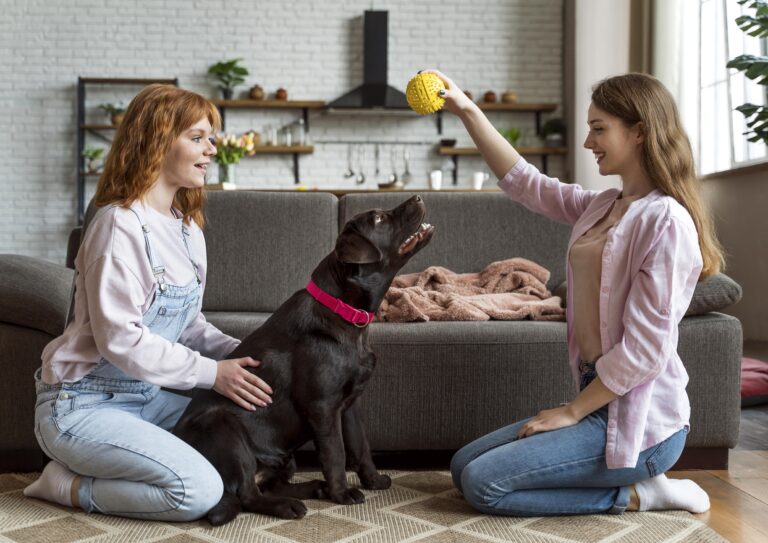
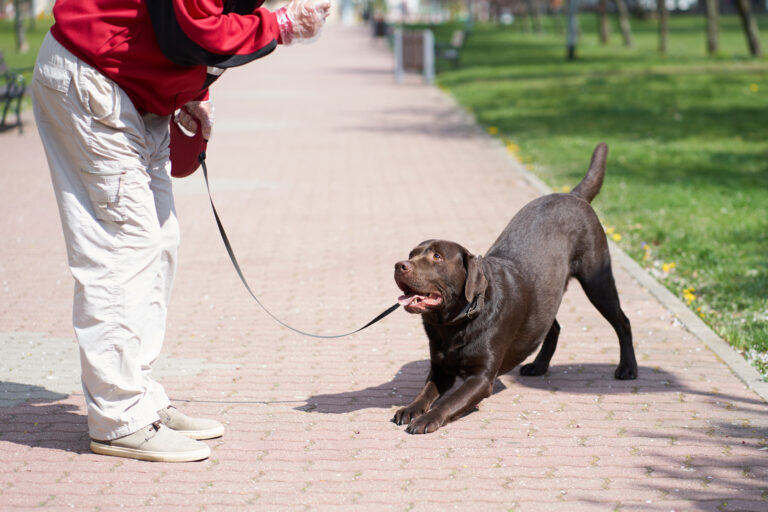
Positive reinforcement can significantly curb your dog’s excessive barking. This method involves rewarding your dog when they exhibit quiet behavior rather than punishing them for barking. Rewards can be treats, praise, or playtime, all of which encourage the dog to repeat the desired behavior. It’s a humane approach that builds trust between you and your pet. This technique proves effective and fosters a happier and more well-behaved dog.
There are several steps to apply positive reinforcement effectively. Firstly, identify the triggers that cause your dog to bark. This could be anything from the doorbell ringing to the sight of other animals. By knowing what sets off your dog, you can address the root cause of the behavior. Next, work on desensitizing your dog to these triggers while rewarding them for remaining calm.
Another strategy is redirection. When your dog starts barking, divert their attention to a different activity. For example, give them a toy to play with or engage them in a short training session. This helps them to associate the presence of a trigger with something positive and focus their energy elsewhere. Over time, this teaches your dog that staying quiet brings rewards.
Consistency is key to successfully reducing barking through positive reinforcement. Ensure all members of your household follow the same approach, rewarding your dog for quiet behavior and ignoring unnecessary barking. Changing routines can confuse your dog and slow down progress. With patience and perseverance, you’ll notice a significant improvement in your dog’s barking habits.

Core Principles of Positive Reinforcement Training
The main principle of positive reinforcement training is to reward desired behaviors. When a dog performs a behavior you want to encourage, immediately provide a reward. This can be a treat, a favorite toy, or even verbal praise. By consistently rewarding good behavior, your dog learns to associate that behavior with positive outcomes. Over time, this strengthens the likelihood of the behavior repeating.
Timing is crucial in positive reinforcement training. The reward must be given immediately after the desired behavior occurs. This helps your dog make a clear connection between the action and the reward. If there’s a delay in providing the reward, your dog may not understand what behavior is being reinforced. Consistency in timing ensures the best results and clear communication.
Another key element is the value of the rewards. The reward should be something your dog finds highly motivating. This can vary from dog to dog, so it’s important to know what your pet prefers. For some dogs, food treats work best, while others may be more motivated by play or physical affection. Using a high-value reward increases the effectiveness of the training.
It’s also important to gradually reduce the frequency of rewards. Start by rewarding every instance of the desired behavior, then slowly decrease the rewards over time. This helps to maintain the behavior without always needing a treat. Eventually, your dog will perform the desired behavior with minimal or no reward, relying more on verbal praise or occasional treats.
Common Triggers for Excessive Barking
Understanding what causes your dog to bark excessively is the first step in managing the behavior. One common trigger is unfamiliar noises. Dogs are naturally protective and may bark at strange sounds to alert their owners. This could include anything from a doorbell ringing to the sound of a truck passing by. Reducing the sensitivity to these noises can help manage excessive barking.
Another significant trigger is the sight of other animals or people. Dogs may bark at passing strangers or other dogs due to territorial instincts. Installing barriers like fences or using window coverings can minimize these visual triggers. Socializing your dog with other animals and people can also reduce their urge to bark. This helps them become more accustomed to different sights.
Boredom or lack of exercise can also result in excessive barking. A dog with pent-up energy may bark out of frustration or to seek attention. Providing regular exercise and mental stimulation can help alleviate this behavior. Activities like daily walks, interactive toys, and training sessions can keep your dog engaged and less likely to bark excessively.
Separation anxiety is another common cause of excessive barking. Dogs that become anxious when their owners leave may bark to cope with their discomfort. Creating a safe, comfortable space for your dog when you’re not home can mitigate this anxiety. Gradual desensitization to alone time can also be effective in reducing anxiety-related barking.
Benefits of Positive Reinforcement Over Punishment Methods
Positive reinforcement offers numerous advantages over punishment-based methods. One key benefit is that it strengthens the bond between you and your dog. When a dog is rewarded for good behavior, they are more likely to trust and respond positively to their owner. This mutual trust can lead to a more harmonious relationship. In contrast, punishment can create fear and anxiety in dogs.
Another important benefit is that positive reinforcement promotes long-term behavioral change. Dogs trained with rewards are more likely to remember and repeat good behavior. This method reduces the chance of unwanted behaviors reoccurring. On the other hand, punishment may stop bad behavior temporarily but does not teach the dog what to do instead. This can result in confusion and inconsistent behavior.
Positive reinforcement is also versatile and can be used to teach a wide range of behaviors. These can include basic commands, tricks, and even complex tasks. The flexibility of this method makes it suitable for dogs of all ages and breeds. It can be adapted to fit individual training needs and goals.
Using positive reinforcement minimizes the risk of physical harm. Punishment-based methods can sometimes involve harsh measures that can injury your dog. Training with rewards is safe and promotes a positive learning environment. This makes it a more ethical and humane way to train.
Positive reinforcement can also improve your dog’s overall well-being. It encourages mental stimulation and keeps your dog engaged. Dogs that are mentally stimulated are typically happier and less likely to develop behavioral problems. This approach supports both their mental and emotional health.
Finally, positive reinforcement can be more enjoyable for both you and your dog. Training sessions become fun and rewarding experiences. This makes the process more enjoyable and can lead to quicker results. Engaging in enjoyable activities together can further enhance your bond with your dog.

Designing Effective Reward Systems for Bark Reduction
Designing an effective reward system for reducing barking starts with choosing the right rewards. Identify treats and toys that your dog finds most motivating. High-value treats like small bits of chicken or cheese often work well. Keep these rewards reserved only for training sessions to maintain their high value. By using desirable rewards, you can make learning more appealing for your dog.
Consistency is crucial in a reward-based system. Always reward your dog immediately after they exhibit the desired quiet behavior. This helps your dog make a direct connection between their actions and the rewards. Use verbal praise in conjunction with treats to reinforce positive behavior. Consistent reinforcement helps establish clear expectations for your dog.
Variety is also important to keep your dog engaged. Rotate different types of rewards to prevent your dog from losing interest. You can mix food treats with toys, petting, and verbal praise. This variety ensures that your dog remains motivated and excited about the training. A bored dog is less likely to respond positively to the training process.
A reward system can be further enhanced by incorporating a reward schedule. Start with continuous reinforcement, where every instance of quiet behavior is rewarded. Gradually shift to a variable schedule, where rewards are given intermittently. This technique helps maintain the behavior over the long term. Your dog will learn that rewards are possible but not guaranteed every time.
Tracking progress is also helpful in designing an effective system. Use a journal or an app to record your dog’s progress and any changes in behavior. Noting what works and what doesn’t can help you fine-tune your approach. Tracking also provides insights into how quickly your dog is learning. It allows you to celebrate milestones and adjust strategies as needed.
Training sessions should be kept short and positive. Avoid long sessions that could lead to frustration for both you and your dog. Aim for several brief sessions throughout the day. This approach keeps your dog from becoming overwhelmed. Positive and enjoyable training sessions are more likely to yield lasting results.
Long-term Success: Maintaining Quiet Behavior in Dogs
Maintaining quiet behavior in dogs requires ongoing reinforcement and training. Consistency is key; continue to reward your dog for being quiet, even after they’ve learned the initial behavior. This means periodically praising or giving treats for calmness. It helps reinforce the behavior and ensures your dog understands quiet is the preferred response. Neglecting to reward quiet behavior might lead to regression.
Another important factor is setting up a routine that supports calm behavior. Dogs thrive on consistency, so establish regular feeding, exercise, and training schedules. Predictable routines reduce anxiety and help your dog know what to expect. Consistent daily structure keeps your dog mentally and physically satisfied, which can reduce unnecessary barking. Routine activities, like walks and playtime, are crucial for maintaining balance.
Environmental management also plays a role in long-term success. Ensure your dog’s environment is calm and stimulating. Provide interactive toys and activities to keep them busy. Boredom and frustration often lead to barking, so engaging your dog can help maintain quiet behavior. A well-stimulated dog is less likely to bark out of boredom.
Consistency in commands is also critical. Use the same words and signals for training to avoid confusing your dog. If family members are involved in the training, ensure everyone uses the same commands. Consistent cues help your dog understand what’s expected, reducing the chance of miscommunication. Clear and consistent commands create a unified training approach.
Another essential aspect is ongoing socialization. Introduce your dog to a variety of people, places, and other animals regularly. Positive social experiences help your dog remain calm and reduce reactive barking. Continual social engagement helps dogs adapt to different environments. Well-socialized dogs are generally less anxious.
Finally, revisit training periodically to refresh your dog’s memory. Short, regular training sessions can help maintain the learned behavior. This reinforcement helps keep the training current in your dog’s mind. Regular practice ensures the behavior remains strong. Continuous training support long-term quiet behavior in dogs.
Frequently Asked Questions
Understanding how to use positive reinforcement to manage your dog’s barking can be transformative. Here are some common questions and answers to guide you through the process.
1. How does positive reinforcement differ from punishment?
Positive reinforcement focuses on rewarding good behavior immediately to encourage repetition. For example, giving your dog a treat when they stop barking helps them understand quiet behavior earns rewards. This method is gentle and boosts the dog’s confidence while fostering a strong owner-dog bond.
In contrast, punishment aims to stop bad behavior through negative reactions like scolding or physical corrections. While punishments may temporarily stop barking, they often cause fear and anxiety. This can damage the trust between you and your dog, making long-term training more challenging.
2. What types of rewards work best for dog training?
Different dogs respond to different rewards. Commonly used rewards include treats, toys, and praise. High-value treats such as small pieces of chicken or special dog biscuits are often very effective.
It’s important to vary the rewards to keep your dog engaged and motivated. Some dogs may prefer physical affection over treats, while others respond well to playtime. Finding the right mix of rewards can enhance the training process.
3. How long does it take to see results with positive reinforcement?
The time it takes to see results varies from dog to dog and depends on consistency. Some dogs may start showing improved behavior within a few weeks of consistent training sessions. Key to success is patience and regular practice.
Keep sessions short and positive to maintain your dog’s interest and reduce frustration. Gradually, you’ll notice your dog understanding and following the desired behavior more frequently.
4. Can positive reinforcement be used for other behaviors besides barking?
Yes, positive reinforcement is highly versatile and effective for teaching a wide range of behaviors. It can be used for basic commands like sit, stay, and come, as well as more complex tricks and behaviors. This method is suitable for dogs of all ages and breeds.
By consistently rewarding desired behaviors, you can shape your dog’s actions in many different contexts. This builds a solid foundation for trustworthy and enjoyable interactions with your dog.
5. What should I do if my dog doesn’t respond to positive reinforcement?
If your dog doesn’t respond as expected, consider adjusting the type of reward or the timing of the reward. Sometimes, it might take a few tries to find what motivates your dog. Ensure the reward is immediate and closely linked to the behavior you want to reinforce.
Consulting a professional dog trainer can also provide additional insights and techniques tailored to your dog’s specific needs. They often have experience with various training challenges and can offer valuable guidance.
Conclusion
Implementing positive reinforcement to reduce barking in dogs is both effective and humane. By consistently rewarding quiet behavior, dogs learn to associate calmness with positive outcomes. This approach strengthens the bond between the dog and the owner while ensuring a stress-free environment.
Consistency, patience, and understanding your dog’s triggers are key to long-term success. With the right reward system and ongoing reinforcement, maintaining quiet behavior becomes achievable. This method not only curbs excessive barking but also contributes to the overall well-being of your pet.
Location Pages ONLY - Web Lead Contact Form
"*" indicates required fields