
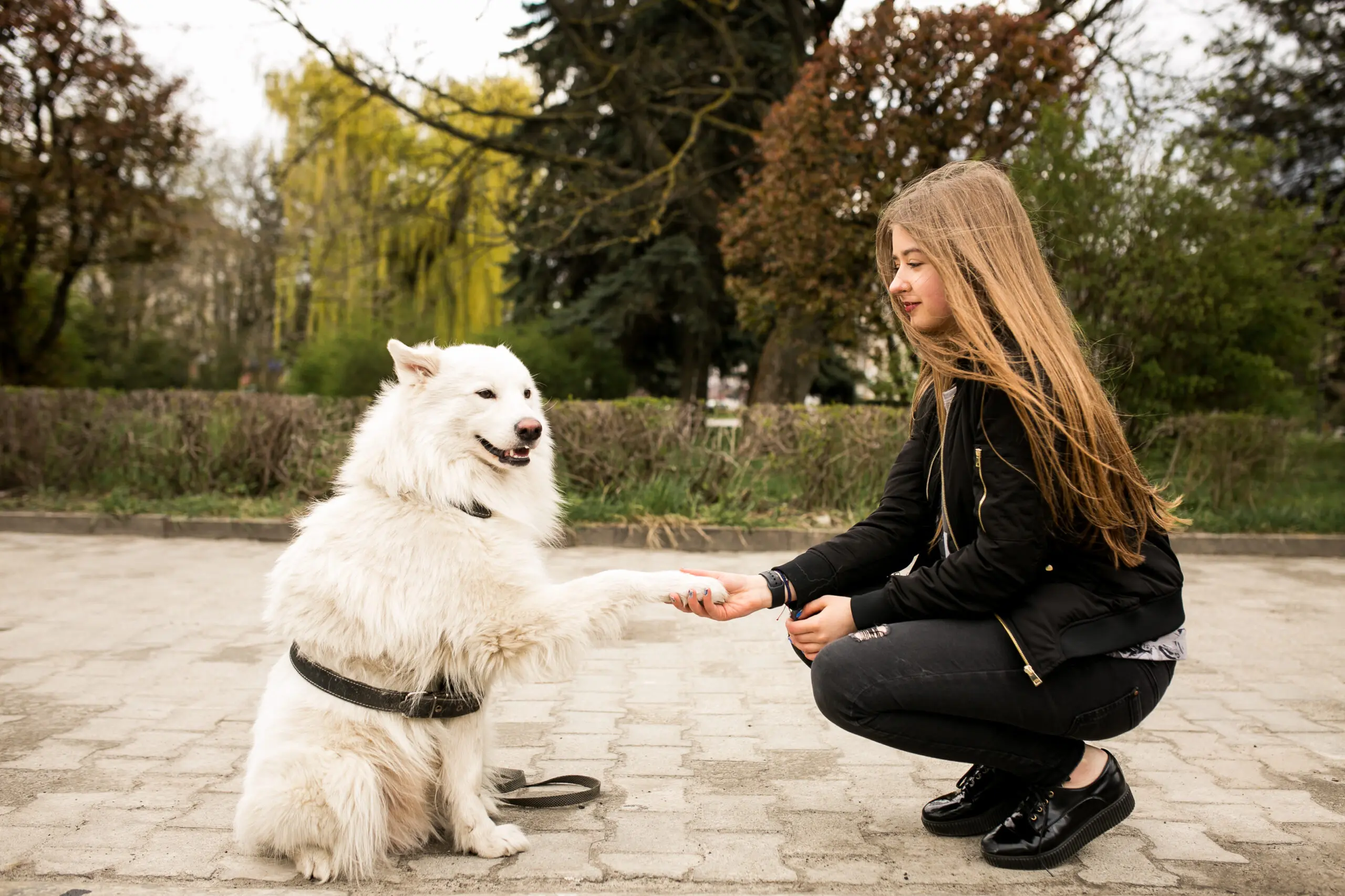
How Predictability Lowers Dog Anxiety During Training
Unexpected changes can be one of the biggest stressors for dogs during training sessions. When a dog knows what to expect, like understanding commands and recognizing routines, it helps to reduce their anxiety. This predictability allows them to feel more in control and confident, leading to better learning outcomes.
The concept of predictability in dog training draws from established principles in animal behavior. According to a study published in the Journal of Veterinary Behavior, dogs who experienced consistent training environments displayed significantly lower levels of stress hormones. Implementing a structured and predictable training regimen can be a game-changer in improving well-being and enhancing the bond between pet and trainer.
Predictability in training helps dogs feel secure and reduces anxiety. Consistent routines, commands, and environments make dogs more confident and responsive. Predictability lowers stress levels by providing a sense of control and understanding of what’s expected. This results in improved behavior and a stronger bond between the dog and trainer.
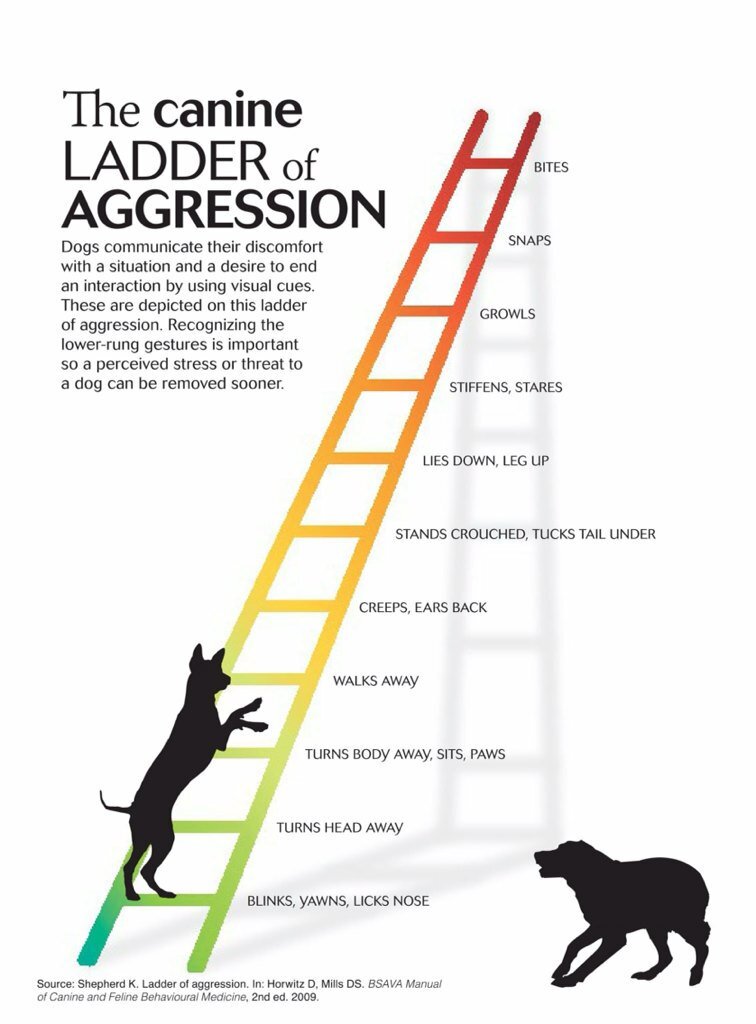
How Predictability Lowers Dog Anxiety During Training
Predictability can significantly reduce a dog’s anxiety during training. By creating a set routine, dogs know what to expect, which helps them feel secure. This sense of security translates to better behavior and faster learning. When dogs anticipate what happens next, their stress levels decrease. This allows them to focus more on the training itself.
Consistency in commands and training techniques is crucial. Using the same words and gestures ensures dogs clearly understand what is expected of them. They become more confident in their responses, reinforcing positive behavior. Predictable training also helps in building trust between the dog and the trainer. When a dog knows what to expect, it feels more relaxed and willing to follow instructions.
The environment plays a crucial role in making training predictable. Training in the same location, using familiar tools and toys, creates a safe learning space for the dog. This consistency in the training environment helps dogs associate positive experiences with these sessions. Over time, the dog’s behavior improves due to reduced anxiety and increased familiarity. A stable environment significantly contributes to a dog’s mental well-being during training.
The benefits of predictability are long-lasting. Through a structured training regimen, dogs develop better habits and become more responsive to commands. This not only makes training sessions more effective but also enhances the overall bond between the dog and the owner. As predictability becomes a habit, it leads to a happier and healthier dog. Long-term, these practices can greatly improve both the dog’s and the trainer’s experience.
How To Build Confidence: Reduce Anxiety In Fearful and Anxious Dogs
Understanding the Link Between Routine and Reduced Anxiety
Routine plays a vital role in lowering anxiety for dogs. When a dog knows what to expect, it feels more secure and calm. This sense of predictability reduces their stress levels. Dogs thrive on consistency, and regular routines provide a structured environment. This makes them more comfortable and responsive.
Establishing a routine involves scheduling feeding times, walks, and training sessions at the same time each day. This helps dogs know when to expect certain activities, reducing their nervousness. Over time, this predictability leads to better behavior. When dogs understand their daily schedule, they feel more in control. This sense of control minimizes anxiety.
Several studies support the importance of routine in reducing canine anxiety. According to research, dogs in consistent environments display fewer signs of stress. They also tend to learn new commands more quickly. Having a routine can benefit dogs struggling with anxiety disorders. It helps them cope better with daily life.
Implementing a consistent routine requires commitment from pet owners. It’s essential to stick to the schedule as closely as possible. Using reminders and setting alarms can help maintain consistency. Through dedication and persistence, dog owners can create a stable environment for their pets. This predictability will contribute to the overall well-being of the dog.
The Role of Consistent Training Schedules
Consistent training schedules are crucial for effective dog training. When training sessions are held at the same time every day, dogs begin to anticipate and prepare for these activities. This anticipation reduces anxiety and increases enthusiasm for learning. Consistency also ensures that the training becomes a habit. This leads to more effective learning and retention of commands.
Having a regular schedule helps in creating a structured environment for the dog. This predictability not only lowers anxiety but also makes the dog more cooperative. For instance, a table outlining a weekly training schedule can be beneficial. Seeing the same activities repeated daily reinforces the dog’s learning. This structure helps them feel secure and understand expectations clearly.
| Day | Activity | Time |
|---|---|---|
| Monday | Obedience Training | 10:00 AM |
| Tuesday | Agility Drills | 10:00 AM |
| Wednesday | Socialization | 10:00 AM |
Implementing a regular schedule requires a commitment from the owner. Using tools like reminders and calendars can help maintain consistency in the routine. This constant approach helps reinforce the training objectives. Regular schedules make it easier for the dog to follow commands. The dog becomes more adept at performing tasks with reduced anxiety.
Consistency also helps in monitoring progress. With regular training sessions, it’s easier to track improvements and identify areas needing more focus. Keeping a log of each session can be beneficial. On days when performance dips, the schedule can be adjusted for better outcomes. This ensures a continuous and effective training process.
Benefits of Using Predictable Commands
Using predictable commands in dog training provides a host of benefits. When commands are consistent, dogs understand exactly what is expected of them. This clear communication leads to quicker and more effective learning. Predictability in commands reduces confusion for the dog. It also helps to build trust between the dog and the trainer.
Predictable commands also enhance the dog’s confidence. Knowing what specific words mean makes dogs feel more secure in their actions. This boosts their willingness to engage in training activities. Consistent commands help solidify learned behaviors. Over time, these commands become second nature to the dog.
Consistency in commands can help in various training scenarios. Whether teaching basic obedience or advanced tricks, predictable language is key. Dogs respond better when they can anticipate what will happen next. Using the same phrases for each command minimizes misunderstanding. This consistency ensures that training sessions are smooth and productive.
For instance, using the command “sit” every time you want your dog to sit down eliminates any ambiguity. When other words are used interchangeably, like “down” or “rest,” it confuses the dog. This makes the training process slower and more stressful for the dog. A clear and predictable command set simplifies the learning process. It makes behavior corrections more straightforward.
Predictable commands aren’t just useful for professional trainers. Pet owners can also benefit from using the same words consistently. This makes it easier for dogs to transition between trainers and environments. It ensures that the dog understands the same commands regardless of who is giving them. Consistency makes for a well-behaved and less anxious pet.
Incorporating a set of predictable commands can be visualized through a command chart. This reinforces the consistency in language used during training sessions.
| Command | Action |
|---|---|
| Sit | Dog sits down |
| Stay | Dog remains in place |
| Come | Dog approaches trainer |
Impact of Environment Consistency on Dog Behavior
A consistent environment is crucial for reducing a dog’s anxiety and improving behavior. When dogs experience the same surroundings and stimuli daily, they feel more secure. This security helps in minimizing stress levels and creating a calm demeanor. Dogs can quickly familiarize themselves with consistent environments. This predictability aids in smooth and efficient training sessions.
Consistency in environment means maintaining regularity in spaces where the dog is trained and lives. This includes using the same training ground, play areas, and sleeping quarters. When these places stay unchanged, dogs can easily adapt to routines. This adaptation reduces anxiety, leading to better behavior over time. Familiar surroundings make dogs feel safe and understood.
Environmental consistency extends to objects and tools used in the dog’s daily life. Keeping the same toys, bedding, and training equipment provides familiarity. Dogs begin to associate these items with positive experiences. This familiarity boosts their confidence and willingness to engage in activities. Consistent use of these objects makes training more effective.
Changes in environment can disrupt a dog’s sense of security. Whenever alterations are inevitable, introducing them gradually can help. For instance, moving to a new home or changing the training area should be done step-by-step. This gradual approach ensures the dog has time to adjust. Sudden changes can trigger anxiety and stress.
In addition to home settings, maintaining consistency even in outdoor activities is beneficial. Regular walks on the same paths or routine visits to the same parks provide predictability. Dogs can explore without feeling overwhelmed by unfamiliar territories. This predictability makes them more relaxed and improves their social behaviors.
Long-Term Effects of Predictable Training Methods
Implementing predictable training methods has significant long-term benefits for dogs. Over time, these methods foster a sense of security and trust. This trust makes dogs more receptive to commands and obedient in various situations. Predictability in training enhances not only behavior but also overall well-being. Dogs exposed to consistent methods show improved mental health.
Predictable training helps in establishing lifelong habits. Dogs learn what is expected of them and continue these behaviors into adulthood. These ingrained habits make daily interactions smoother. Owners can expect reliable responses from their dogs. This consistency reduces behavioral issues and strengthens communication.
Studies indicate that dogs trained with predictable methods exhibit fewer signs of anxiety. Reduced anxiety contributes to a healthier and happier life. Dogs are less likely to develop stress-related health problems. Consistency in training equips dogs with coping mechanisms. This resilience benefits them in new or challenging situations.
Predictable training routines also contribute to a stronger bond between dogs and owners. When dogs understand commands clearly, they feel more connected. This connection builds trust and loyalty. Owners benefit from a well-behaved pet who understands expectations. Long-term, this relationship becomes more fulfilling for both the dog and the owner.
Adopting predictable training methods can simplify the transition between different environments. Whether moving homes or changing trainers, a dog can adapt more easily. Familiar commands and routines provide comfort. This adaptability is crucial for maintaining positive behavior. Dogs who are consistently trained can handle changes without significant stress.
The benefits of predictable training extend to multi-dog households as well. Consistent methods create harmony among pets. Each dog knows its role and expectations, minimizing conflicts. Predictable routines also support group training sessions. This unity leads to a peaceful and structured environment.
Frequently Asked Questions
Understanding how predictability can help reduce dog anxiety during training is crucial for effective learning. Here are some common questions and answers to help guide you through this process.
1. What are the main benefits of a consistent training schedule for dogs?
A consistent training schedule helps dogs feel secure and reduces anxiety. When dogs know what to expect, it makes the training process smoother and more efficient. This regularity allows dogs to understand routines better and responds positively. Over time, they become more confident and obedient.
This predictability in their daily routine reduces stress levels, contributing to their overall well-being. Consistency also aids in faster learning and retention of commands. It helps develop a stronger bond of trust between the dog and the trainer.
2. How does environment consistency affect a dog’s behavior?
Creating a stable environment for dogs makes a significant difference in their behavior. Keeping the same training ground, tools, and routines makes dogs feel more comfortable. This familiarity lowers their stress levels and anxiety, promoting better behavior.
When dogs associate specific environments with positive experiences, they become more relaxed. Consistent environments facilitate smoother training sessions and reinforce positive habits. Ultimately, a stable environment is essential for a dog’s mental and emotional well-being.
3. Can consistent commands improve a dog’s learning process?
Yes, using consistent commands significantly improves a dog’s learning process. When dogs hear the same command repeatedly, they develop a clear understanding of what is expected. This reduces confusion and allows for quicker responses during training.
Consistent commands build a strong foundation for behavior. Dogs are more likely to remember and follow commands that are used consistently. This predictability also makes it easier for different trainers or family members to communicate with the dog effectively.
4. Why is predictability important in multi-dog households?
In multi-dog households, predictability helps maintain harmony among pets. When each dog knows its role and expectations, it minimizes conflicts. Consistent commands and routines ensure that all dogs behave well together.
Using predictable training methods creates a structured environment where dogs feel secure. This reduces anxiety and prevents aggressive behaviors. Predictability helps in managing group training sessions more efficiently and promotes a peaceful household.
5. How can gradual changes in the environment reduce dog anxiety?
Introducing changes gradually in a dog’s environment helps in reducing anxiety. Sudden changes can be overwhelming and stressful for dogs. Gradual changes give them time to adjust and stay calm.
For example, if you are moving to a new home, start by familiarizing your dog with the new space slowly. Allow them to explore each area step-by-step. This approach helps in making the transition smoother and reduces stress.

Conclusion
Understanding the role of predictability in dog training can make a significant difference. Consistent routines, environments, and commands help dogs feel secure and reduce anxiety. This approach ensures faster learning and better behavior.
By maintaining predictability, trainers can build stronger bonds with their dogs. This leads to a happier and healthier relationship. Predictable training methods benefit not only individual dogs but also multi-dog households.
"*" indicates required fields