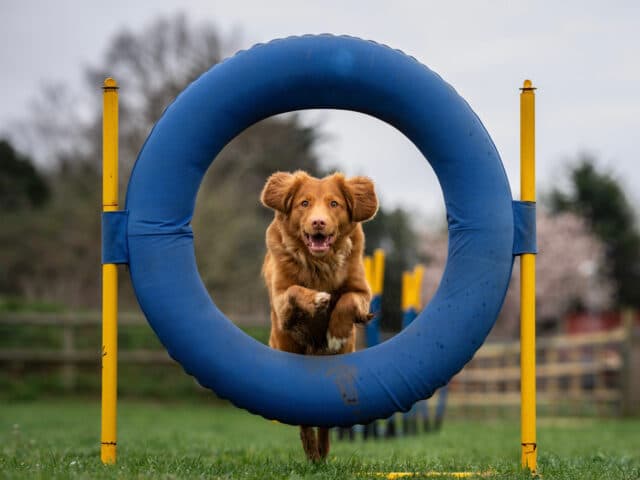

From Fetch to Fitness: How Play Affects Canine Heart Health
When you throw a ball for your dog, you’re doing more than just entertaining them—you’re giving their heart a real workout. Just like humans, dogs benefit from regular cardiovascular activity to stay healthy, energized, and live longer. In this article, we’ll explore how play-based exercise like fetch, tug-of-war, and chase contributes to canine heart health, how much activity your dog really needs, and what signs to watch for to ensure it’s all heart-safe and fun.
Historically, the role of physical activity in canine health was vastly underestimated. Recent studies have highlighted that active play is not only essential for mental stimulation but also crucial for cardiovascular wellness. Routine play sessions can lower blood pressure and improve overall cardiac output in dogs, much like regular exercise benefits humans.
Regular play significantly impacts canine heart health by increasing physical activity, strengthening the heart muscle, and reducing the risk of cardiac diseases. Activities like fetch improve circulation and manage healthy weight, ultimately enhancing overall cardiovascular function in dogs. Engaging in diverse playful exercises keeps dogs healthier and more energetic.

From Fetch to Fitness: How Play Affects Canine Heart Health
Regular play is crucial for keeping dogs healthy. Activities like fetch improve their heart health by increasing physical activity. Exercise strengthens the heart muscle, making it more efficient.
Engaging in playful activities reduces the risk of heart diseases in dogs. Consistent play helps regulate weight and lowers blood pressure. Overall, it enhances their quality of life, making them happier and more energetic.
The type of play matters too. Running, chasing, and interactive games provide the best heart benefits. Even a brisk walk can significantly improve cardiovascular health.
Research shows that 30 minutes of daily play can make a difference. This could be broken down into multiple shorter sessions. The key is to keep the dog active and engaged.
Train ANY Dog to Play Fetch Perfectly
The Role of Physical Activity in Canine Cardiovascular Health
Physical activity plays a crucial role in maintaining a dog’s cardiovascular health. Regular exercise helps keep the heart strong and efficient. It also aids in managing a healthy weight, reducing stress on the heart.
There are many forms of exercise that benefit canine heart health. Simple activities like walking, running, and playing fetch are highly effective. Exercise routines should be tailored to a dog’s age, breed, and fitness level.
Interactive games are particularly beneficial. Examples include agility training and tug-of-war. These activities stimulate not only the body but also the mind, promoting overall wellness.
Consistency is key to seeing the best results. Ideally, dogs should engage in physical activity daily. Gradually increasing the duration and intensity can help improve their heart health over time.
The Connection Between Play and Heart Disease Prevention in Dogs
Regular play is not just fun for dogs; it’s a preventive measure against heart disease. Physical activity helps maintain healthy blood circulation and prevents plaque buildup in arteries. This reduces the risk of heart attacks and other cardiovascular issues.
Studies have shown that dogs who engage in play regularly are less likely to develop heart problems. Active dogs usually have lower cholesterol levels and better heart rates. Playful activities also help control weight, which is a significant factor in preventing heart disease.
Different types of play offer various heart health benefits. Running and fetch games improve stamina and heart function. Tug-of-war and obstacle courses enhance muscle strength and coordination.
To achieve these benefits, dog owners should incorporate diverse play sessions into their pets’ daily routines. Vary the activities to keep the dog engaged and motivated. The combined effect of different play types can significantly boost heart health and overall well-being.
Assessing the Optimal Duration and Type of Play for Maximum Heart Health Benefits
Determining the optimal play duration for dogs is essential for their heart health. Studies suggest that at least 30 minutes of exercise per day is beneficial. However, the intensity and type of play can greatly influence these benefits.
The type of play should be tailored to the dog’s age, breed, and health condition. Younger and more active breeds may require more vigorous activities like running or agility training. Older or less active dogs might benefit from gentler activities like walking or light fetch.
Mixing different types of play can yield the best results. Incorporating a variety of activities keeps dogs engaged and targets different muscle groups. Some popular activities include:
- Fetch and catch
- Obstacle courses
- Tug-of-war
- Interactive toys
Consistency in play is also crucial. Regularly scheduled playtimes help maintain a routine for the dog. This consistency can lead to better physical and mental health.
Monitoring your dog’s response to different types of play can help adjust the activities to suit their needs. Signs of exhaustion or discomfort should prompt a change in the intensity or type of activity. Tailoring the play routine ensures maximum heart health benefits.
Case Studies: Success Stories of Improved Canine Heart Health Through Play
Meet Bella, a 6-year-old Labrador Retriever who struggled with weight issues. Her owner dedicated 30 minutes each day to engaging her in interactive play, like fetch and obstacle courses. Bella’s weight decreased, and her vet noted significant heart health improvements.
Max, a senior Beagle, had high blood pressure. His owner incorporated gentle play into his routine, such as walking and light fetch sessions. Within a few months, Max’s blood pressure stabilized, showcasing the power of consistent, low-impact play.
Rocky, a lively Border Collie, needed to burn off extra energy. His owner introduced a variety of activities, including agility training and tug-of-war. This diverse play improved Rocky’s cardiovascular endurance and mental sharpness.
A mixed breed pup named Daisy suffered from early signs of heart disease. Her vet recommended daily play sessions tailored to her age and condition. Daisy’s heart health improved, and she became more energetic and joyful.
Lucy, a Poodle mix, faced challenges with obesity and lethargy. Her owner started a regimen of daily walks and innovative games. Over time, Lucy shed the extra pounds and her heart function improved remarkably.

Frequently Asked Questions
Explore common questions related to canine heart health and the impact of regular play. Understanding these can help ensure your dog’s well-being.
1. How does exercise improve a dog’s heart health?
Exercise helps strengthen a dog’s heart muscle, making it more efficient at pumping blood. Regular physical activity also improves blood circulation and lowers blood pressure. This can significantly reduce the risk of heart disease.
Daily exercise routines, such as walks and play, can help manage a healthy weight. By reducing obesity, the heart faces less strain, further promoting cardiovascular health. Overall, exercise plays a vital role in keeping your dog’s heart healthy.
2. What types of play are best for improving a dog’s cardiovascular health?
Different types of play offer various benefits for a dog’s heart health. Activities like fetch, running, and agility training are great for building stamina and strength. These exercises increase heart rate and improve overall cardiovascular function.
Interactive games, such as tug-of-war and obstacle courses, also provide excellent heart benefits. They help engage the dog’s mind and body, promoting well-rounded fitness. Mixing these activities can maximize heart health benefits.
3. How can I tell if my dog is getting enough exercise for heart health?
Monitoring your dog’s behavior and physical condition can indicate if they are getting enough exercise. A healthy dog will show signs of energy, maintain a good weight, and have a consistent heart rate. Regular vet check-ups can also confirm their heart health.
Look for increases in endurance during play sessions and overall activity levels. If your dog seems tired or unresponsive, they may need more or less exercise. Balancing intensity and duration ensures optimal benefits.
4. Can indoor play activities benefit my dog’s heart health?
Indoor play activities can definitely benefit your dog’s heart health. While outdoor exercises offer more space, indoor activities are still effective. Games like hide-and-seek, tug-of-war, and interactive toys promote physical activity.
Setting up obstacle courses inside your home can also engage your dog. These activities keep your dog moving, improving cardiovascular function. Even in a limited space, varied indoor games maintain heart health.
5. How frequently should I engage my dog in cardiovascular exercises?
For optimal heart health, engage your dog in cardiovascular exercises daily. Consistency is key to seeing long-term benefits. Aim for at least 30 minutes of varied physical activity every day.
Mixing intense activities with gentler sessions can balance their exercise routine. Adjust the duration based on your dog’s breed, age, and health condition. Regular play keeps their heart strong and their overall health robust.
Conclusion
Regular play is vital for maintaining your dog’s heart health. It not only strengthens their cardiovascular system but also improves overall well-being. Incorporating diverse activities into their daily routine ensures they remain engaged and energetic.
Understanding the specific needs of your dog will help tailor the best exercise plan. By prioritizing consistent and varied play, you can significantly enhance your canine companion’s heart health and quality of life.
"*" indicates required fields