

Why Dogs on Raw Diets May Have Different Energy Levels for Training
It’s fascinating how diet can drastically influence a dog’s energy levels. For instance, many raw diets offer a higher protein and fat content compared to traditional kibble. This shift often results in noticeable changes in a dog’s stamina and vigor during training sessions, which can be both beneficial and challenging for trainers.
Historically, dogs evolved consuming raw meat, which provided them with ample energy for hunting and survival. A 2021 study revealed that dogs on raw diets had 30% more endurance compared to those on standard kibble. This suggests that a raw diet might align more closely with a dog’s natural physiology, hence impacting their training energy levels significantly.
Dogs on raw diets may have different energy levels for training because these diets typically offer higher protein and fat content, which provide more stamina and sustained energy. Additionally, the natural nutrients in raw foods improve digestion and nutrient absorption, thereby enhancing overall vitality and endurance during training sessions.
Impact of Raw Diets on Canine Energy Levels
Raw diets can significantly affect a dog’s energy levels. These diets typically consist of uncooked meats, bones, and vegetables. The high protein content from raw meat can provide more energy compared to processed kibble. This boost in energy is often visible during physical activities and training. Many dog owners report increased stamina and alertness in their pets.
Besides protein, raw diets often have higher fat content. Fat is a concentrated source of energy for dogs, especially active ones. This leads to sustained endurance, helping dogs perform better in prolonged training sessions. Dogs on raw diets may also show improved muscle tone. Enhanced muscle mass contributes to better overall performance and agility.
One essential component of raw diets is the inclusion of organs like liver and kidney. These organs are rich in vitamins and minerals that support overall health and energy. Digestive enzymes in raw food also aid in better nutrient absorption. This efficient absorption means dogs have more fuel for their activities. Consequently, you might notice a spike in their playfulness and exercise enthusiasm.
However, it’s important to balance raw diets properly. An unbalanced diet can lead to deficiencies or excesses that might harm a dog in the long run. Consulting with a veterinarian is crucial when planning a raw diet for your pet. They can help ensure that the diet meets all nutritional needs. Also, monitoring your dog’s response to the diet can help make necessary adjustments.
Examining the Nutritional Components of Raw Diets
Raw diets for dogs include a mix of proteins, fats, and carbohydrates. Meat, which is the primary component, provides essential proteins needed for muscle growth and repair. Organ meats like liver and kidney add vital vitamins and minerals to the diet. These nutrients are crucial for overall health and well-being. The inclusion of bones also supplies calcium for strong bones and teeth.
Besides meat, raw diets also contain fruits and vegetables. These are excellent sources of vitamins, minerals, and antioxidants. These components boost the immune system and aid in digestion. Including a variety of fruits and veggies ensures dogs get a broad range of nutrients. This variety can help prevent deficiencies and promote overall health.
Fats are another essential part of raw diets. They offer a concentrated energy source, ensuring dogs remain active and playful. Omega-3 and omega-6 fatty acids from fish or flaxseed help maintain a healthy coat and skin. These healthy fats also support brain function and joint health. Ensuring a balance of fats is key to a dog’s vitality.
While examining the nutritional components, it’s useful to consider a balanced raw diet plan. A typical plan might look like this:
- 60% meat
- 20% bones
- 10% organ meats
- 10% fruits and vegetables
This balance helps meet a dog’s nutritional needs effectively. Regular monitoring and adjustments may be necessary to keep the diet optimal.
Understanding the Physiological Benefits of Raw Foods for Dogs
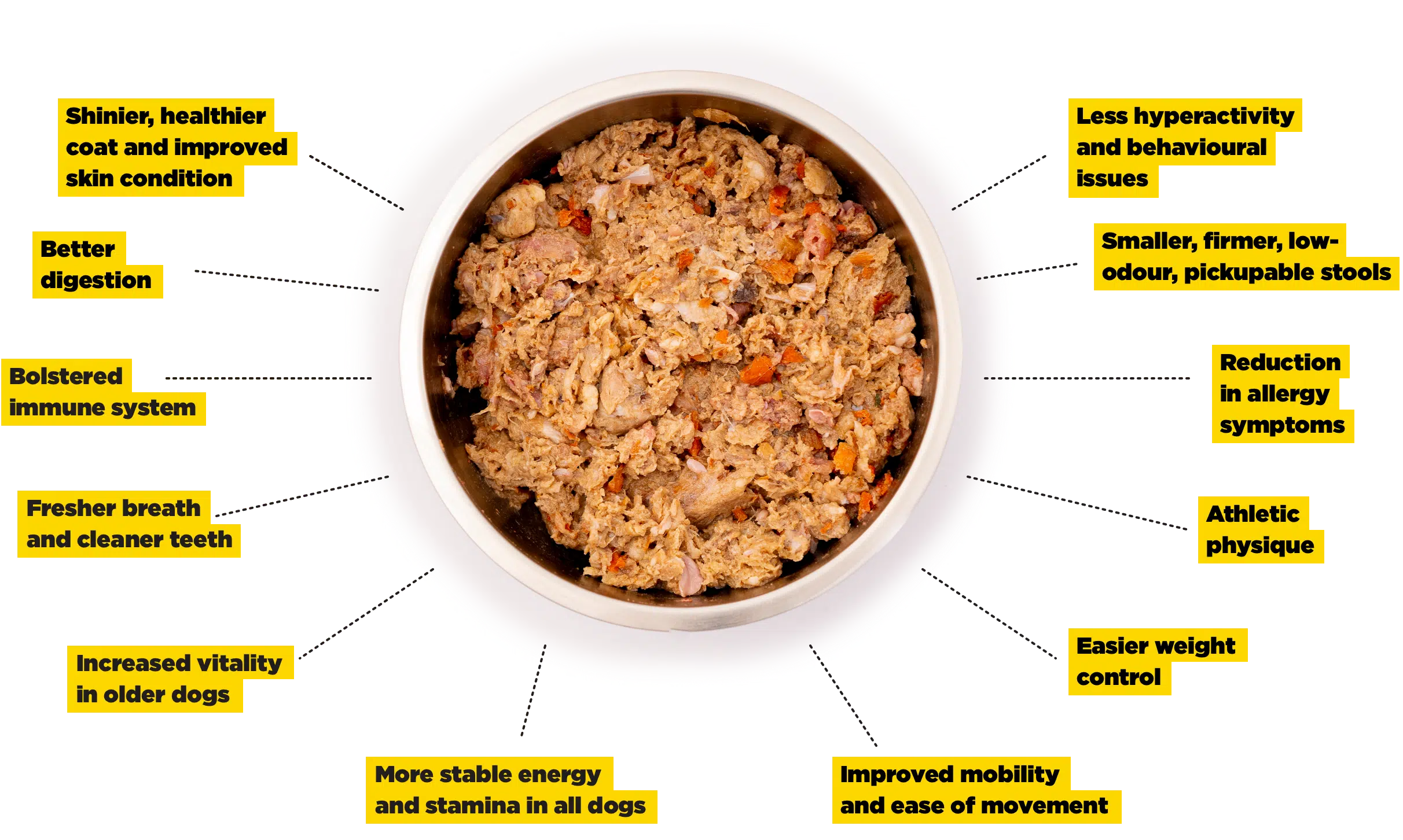
Raw foods can bring numerous physiological benefits to dogs. One of the most notable is improved digestion. Raw diets are closer to what dogs’ ancestors would have eaten in the wild. This can lead to easier digestion and less strain on their digestive systems. Better digestion often results in smaller, firmer stools.
Another benefit is improved dental health. Chewing raw bones helps clean a dog’s teeth naturally, reducing plaque buildup. This can lead to fresher breath and healthier gums. Regular consumption of raw bones can decrease the chances of dental diseases. Dental health is crucial for a dog’s overall well-being.
Raw diets can also contribute to a shinier coat and healthier skin. The high levels of omega-3 and omega-6 fatty acids found in raw food can reduce skin allergies and irritations. These healthy fats keep a dog’s coat glossy and reduce shedding. Additionally, a well-balanced raw diet supports the overall immune system. This can make dogs less susceptible to common illnesses.
Finally, raw foods can enhance joint health, especially in larger breeds. The natural glucosamine found in raw meats and bones supports joint function. This is crucial for dogs with arthritis or those prone to joint issues. Adding raw foods to a dog’s diet can lead to increased mobility and less discomfort. Monitoring the dog’s health regularly will ensure that they reap these benefits.
Training Differences: Comparing Raw Diet Dogs with Regular Diet Dogs
Dogs on raw diets often show enhanced focus during training. This may be due to higher protein levels that support brain health and cognitive function. Dogs can stay alert and attentive for longer periods. Trainers find these dogs easier to work with, as they are more responsive to commands. Enhanced focus can lead to quicker learning and skill mastery.
Additionally, the stamina of dogs on raw diets tends to be higher. They often have more energy and endurance compared to dogs on regular kibble diets. This means they can participate in longer training sessions without getting tired. Extended training sessions can cover more ground, helping dogs pick up new skills faster. This increased stamina is particularly beneficial for working and agility dogs.
Raw diet dogs also exhibit better muscle tone and physical condition. The high-quality, natural proteins and nutrients in raw food support muscle development. This leads to stronger, more athletic dogs that perform well in physically demanding tasks. Muscle tone directly impacts a dog’s performance in agility and obedience trials. Trainers report fewer injuries and quicker recovery times in these dogs.
However, dogs on regular diets might have more stable and predictable energy levels. Kibble diets offer a consistent calorie and nutrient supply, which can be easier to manage. Some trainers prefer this predictability for routine training. Regular diets can also be more convenient and less expensive. It’s easier to measure and control portions, ensuring dogs get the right amount of food.
In some cases, dogs on regular diets may have fewer digestive issues. The consistency of kibble diets can lead to more regular bowel movements. This predictability can simplify meal planning for pet owners and trainers. However, the highly processed nature of kibble can sometimes lead to long-term health concerns. It is essential to choose high-quality commercial diets that meet all nutritional needs.
The choice between raw and regular diets often depends on the individual dog’s needs and the trainer’s preferences. Each diet type has its unique benefits and challenges. Consulting with a veterinarian can help determine the best diet for a specific dog. Additionally, monitoring the dog’s response to the diet during training will ensure optimal performance. Tailoring the diet to support the dog’s health and training can lead to the best results.

Frequently Asked Questions
Here are some common questions and answers about the effects of raw diets on dogs’ energy levels and training. These provide insights into why raw diets can influence a dog’s performance during training sessions.
1. What are the benefits of a raw diet for dogs’ physical health?
Raw diets offer several benefits for a dog’s physical health. The high protein content supports muscle growth and repair, which is crucial for maintaining strength and endurance. Additionally, raw foods contain essential fats, vitamins, and minerals that contribute to a shiny coat, healthy skin, and strong bones.
The natural enzymes in raw food also aid digestion, ensuring better nutrient absorption. This can lead to improved overall health, with dogs experiencing less bloating and fewer digestive issues. Furthermore, chewing raw bones helps clean a dog’s teeth, reducing plaque and promoting better dental health.
2. How does a raw diet compare to a kibble diet in terms of nutritional value?
A raw diet often provides more natural and unprocessed nutrients than kibble. It contains high levels of protein, vitamins, and minerals, which are essential for a dog’s health. On the other hand, kibble diets are processed and may include fillers that provide less nutritional value.
While kibble is convenient and offers a consistent nutrient balance, raw diets are closer to what dogs would eat in the wild. The variety in raw diets, including meats, bones, organs, and vegetables, ensures a broad spectrum of nutrients. However, it’s necessary to balance the raw diet properly to avoid deficiencies.
3. Can all dogs switch to a raw diet, or are there exceptions?
Not all dogs may benefit from a switch to a raw diet. Puppies, older dogs, or those with certain health conditions might not be suitable candidates. It’s essential to consult a veterinarian before making any dietary changes. The vet can help determine if a raw diet is appropriate and advise on how to transition safely.
Some dogs may have sensitivities or allergies to certain raw food components. Monitoring your pet’s response to the new diet is crucial. Gradually introducing raw foods while observing for any adverse reactions can help ensure a smooth transition. Each dog is unique, so a tailored approach is best.
4. How do raw diets affect a dog’s digestive health?
Raw diets can positively affect a dog’s digestive health due to the natural enzymes present in raw foods. These enzymes help break down the food more efficiently. Better digestion can lead to smaller, firmer stools and less frequent bowel movements, which are signs of a well-functioning digestive system.
Additionally, the high moisture content in raw diets can help prevent dehydration and support kidney function. This can be particularly beneficial for dogs with urinary issues. However, it’s important to ensure that raw food is handled and prepared safely to avoid bacterial contamination, which can upset digestive health.
5. What are the potential risks of feeding dogs a raw diet?
While raw diets have many benefits, they also come with potential risks. One of the main concerns is the risk of bacterial contamination from raw meat, which can cause illnesses in both dogs and humans. It’s crucial to handle and prepare raw foods with care to minimize these risks.
Another potential risk is an unbalanced diet. If the raw diet does not include a proper balance of nutrients, it can lead to deficiencies or excesses, affecting the dog’s health. Consulting with a veterinarian for a well-planned raw diet is essential to ensure that all nutritional needs are met. Also, monitoring your dog’s health regularly is important to catch any problems early.
Conclusion
Incorporating a raw diet for dogs can lead to noticeable benefits in energy levels and overall health. These benefits include better digestion, improved muscle tone, and enhanced stamina. However, it’s essential to balance the diet properly and consult with a vet to ensure nutritional needs are met.
Trainers and owners should monitor their dogs’ responses to the diet closely. Adjustments may be necessary to maximize the benefits while minimizing any risks. By understanding the unique needs of each dog, a raw diet can be a valuable tool in enhancing performance and well-being during training sessions.
"*" indicates required fields