
Why Obedience Training Doesn’t Stop At Old Age
One might think that an older dog no longer needs obedience training, but research shows that ongoing training can drastically improve their quality of life. Studies indicate that maintaining regular mental and physical exercises for elderly dogs helps with cognitive function and keeps them engaged. This encouragement of continuous learning keeps them happy and healthy.
Obedience training has long been relevant for dogs of all ages. A well-known fact in veterinary behavior circles is that older dogs still benefit from structured activities, promoting mental sharpness. Properly trained older dogs are often less anxious and more adaptable, showcasing the importance of sustained training beyond their puppy years.
Why Obedience Training Doesn’t Stop at Old Age
As dogs age, their needs change, but the necessity for obedience training remains constant. Senior dogs might have different behavior issues compared to puppies or adult dogs. They can become stubborn or develop anxiety due to changes in their environment. Regular training sessions help address these problems and provide mental stimulation. It’s crucial for their overall well-being.
Training older dogs can be challenging, but it’s worth the effort. These dogs have learned behaviors over the years that might require modification. Obedience training helps reinforce positive behaviors and reduces negative ones. Effective methods include gentle reinforcement and consistency. Strategies like these make a big difference.
Veterinarians and animal behavior experts often stress the importance of ongoing training for senior dogs. They believe that mental and physical exercise is vital, regardless of age. Regular obedience training keeps their minds sharp and bodies active. It prevents issues like boredom and depression. Senior dogs thrive with routine and engagement.
There are practical ways to maintain training for older dogs that fit into daily life. For instance, incorporating simple commands into their routine can be beneficial. Using treats sparingly to reinforce positive actions helps maintain their enthusiasm. Short sessions focusing on basic obedience tasks are effective. Gradually adapting training to their needs ensures continued success.
The Importance of Continuous Training for Senior Dogs
Continuous training for senior dogs is essential for their mental and physical health. Older dogs can experience a decline in cognitive functions. Engaging them in regular training activities helps maintain sharpness. Training sessions provide stimulation, reducing the risk of cognitive diseases. Active minds lead to healthier aging.
Routine training also keeps senior dogs physically active. They may have lower energy levels, but exercise is still important. Training can incorporate gentle physical activities. Consistent exercise helps maintain muscle strength and joint flexibility. This prevents various age-related health issues.
Behavior problems can arise as dogs grow older. These include increased anxiety, stubbornness, and irritability. Continuous training addresses these issues effectively. It reinforces positive behavior and reduces negative tendencies. Keeping them engaged helps balance their emotions.
Making training a routine ensures they stay well-adjusted. It provides them with a predictable structure. Familiar commands and tasks become part of their daily life. This predictability is comforting for senior dogs. Regular interaction strengthens the bond between owner and dog.
The Benefits of Obedience Training for Older Dogs
Obedience training offers numerous benefits for older dogs. One major advantage is improved mental health. By engaging in training exercises, older dogs stay mentally sharp. This helps prevent cognitive decline and keeps their minds active. Mental stimulation is essential as dogs age.
Physical health also benefits from ongoing obedience training. Older dogs need gentle physical activity to maintain their health. Training sessions can incorporate these activities. Regular exercise helps with mobility and overall strength. It supports better physical condition and longevity.
Behavioral improvements are another key benefit. With age, some dogs may develop negative behaviors. Continuous training helps reinforce positive actions. It reduces issues like anxiety and stubbornness. Maintaining discipline and structure is crucial.
Strengthening bonds is an important result of obedience training. Training allows for regular interaction between the dog and owner. It builds trust and enhances the relationship. Older dogs feel more secure with consistent routines. This emotional connection is invaluable.
Challenges and Solutions in Training Senior Dogs
Training senior dogs comes with its own set of challenges. Aging dogs might have decreased physical abilities. Issues like arthritis can limit their movement. This makes high-energy activities difficult. Tailoring training sessions to their physical limitations is necessary.
Older dogs can also be set in their ways. Years of established behavior patterns can be hard to change. They might resist new commands or routines. Patience is key in these cases. Slowly introducing new tasks helps them adapt.
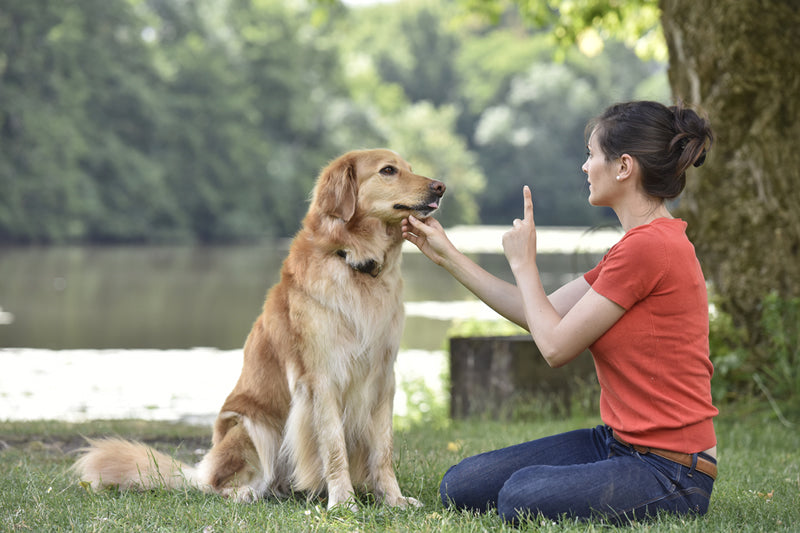
Sensory decline is another challenge faced by senior dogs. Hearing and vision loss are common as dogs age. This can make traditional training methods less effective. Innovative techniques, such as using hand signals, can be beneficial. Adapting training approaches to their sensory needs ensures success.
Behavioral issues like anxiety and stubbornness may increase with age. Addressing these emotional challenges is crucial.
- Gentle reinforcement
- Regular routines
- Calm environments
These strategies can help alleviate anxiety. Understanding their emotional state aids in effective training.
Consistency is vital for senior dogs. They thrive on routine and predictable activities. Consistent training times and methods help them feel secure. This predictability can make training smoother. Maintaining a structured schedule supports progress.
Training can also strengthen bonds between owners and their pets. Regular interaction through training enhances trust. It deepens the emotional connection. Older dogs feel more secure with familiar activities. The bond formed through training is irreplaceable.
Case Studies: Success Stories of Older Dogs Who Continued Training
One notable case is Max, a 10-year-old Labrador Retriever who continued obedience training. Despite his age, Max’s owner implemented daily short training sessions. This helped Max stay mentally stimulated. Over time, Max showed remarkable improvement in responsiveness. His overall behavior became more balanced.
Another success story involves Bella, a 12-year-old Beagle with vision loss. Bella’s owner adapted training methods to include hand signals and tactile cues. Despite her disability, Bella learned new commands effectively. Her increased confidence was evident through her willingness to participate. She became more engaged in daily activities.
Charlie, a 9-year-old Bulldog, faced issues with arthritis. His training program was modified to accommodate his physical limitations. Gentle exercises and consistent training maintained his strength. Charlie’s mobility improved significantly. Regular sessions ensured he stayed active without overexertion.
Sophie, a 13-year-old Poodle, struggled with anxiety. Continuous training provided a sense of routine and security. Techniques such as positive reinforcement were employed. This alleviated her anxiety and fostered a sense of calm. Sophie’s behavior improved with regular engagement.
Finally, Rex, an 11-year-old German Shepherd, showed stubbornness in his advanced years. Patience and persistence in training led to noticeable changes. Rex gradually adapted to new commands and routines. He became less resistant and more cooperative. This strengthened the bond with his owner.
Frequently Asked Questions
Obedience training for older dogs enhances their mental and physical health. These FAQs address common questions about the importance and implementation of training for senior dogs.
1. How does obedience training improve a senior dog’s behavior?
Obedience training for senior dogs helps maintain their mental sharpness. Through consistent activities, dogs learn and reinforce positive behaviors that keep them well-adjusted. This continuous learning reduces anxiety and stubbornness often seen in older dogs.
Moreover, structured training improves the bond between the dog and its owner. It provides a sense of routine and security, which is comforting to older dogs, helping them adapt better to changes and reducing behavioral issues.
2. What are the physical benefits of training older dogs?
Regular obedience training keeps senior dogs physically active, which is essential for mobility and overall health. Gentle exercises help maintain muscle strength and joint flexibility, preventing age-related conditions like arthritis.
Additionally, physical activity during training sessions ensures that senior dogs remain fit. It contributes to better cardiovascular health and weight management, enhancing their quality of life and longevity.
3. Are there specific techniques for training older dogs?
Training older dogs often requires adaptation due to their decreased physical abilities or sensory loss. Techniques such as using hand signals or tactile cues can be effective for dogs with hearing or vision impairments.
Moreover, incorporating short, gentle sessions with consistent reinforcement works best. Patience and gradual introduction of new tasks ensure that the dog remains engaged and responsive without feeling overwhelmed.
4. Can ongoing training prevent cognitive decline in senior dogs?
Yes, ongoing obedience training provides necessary mental stimulation for senior dogs. Activities that challenge their minds help prevent cognitive decline and associated problems like dementia.
Studies show that engaging older dogs in regular training tasks keeps their brains active. This mental engagement is crucial in maintaining cognitive functions and ensuring a healthy, alert mind as they age.
5. How do you adapt training routines for dogs with mobility issues?
For dogs with mobility issues, training routines should be gentle and accommodate their physical limitations. Activities like short walks, gentle stretching, and simple commands are effective and non-straining.
Additionally, incorporating activities that can be done while the dog is lying down or in a comfortable position can be beneficial. Ensuring the dog remains engaged without overexertion is key to a successful training routine.
Conclusion
Continuous obedience training for senior dogs is crucial for their mental and physical well-being. It helps reduce anxiety, reinforce positive behaviors, and maintain cognitive sharpness. Senior dogs benefit from the structured activities and routines, leading to a more balanced and fulfilling life.
Adapting training methods to suit their age-related limitations ensures their engagement and success. Regular training sessions not only improve their quality of life but also strengthen the bond between the dog and owner. Investing time in obedience training for older dogs is a commitment with immense rewards.
"*" indicates required fields