
Training Puppies That Pull On The Leash
One might be surprised to learn that approximately 70% of dog owners report issues with their pets pulling on the leash. This behavior can significantly hinder enjoyable walks and may lead to frustration for both the puppy and the owner. Understanding why puppies pull on the leash is crucial to addressing this common problem effectively.
Puppies often pull on the leash due to their natural curiosity and high energy levels. Historically, many dogs were bred for activities requiring strong pulling instincts, such as sled dogs. Modern training techniques, such as positive reinforcement and consistency, have shown to drastically reduce leash pulling behaviors, offering a more pleasant experience for both parties involved.

Training Puppies That Pull on the Leash
Training a puppy that pulls on the leash can be quite a challenge. Puppies are naturally curious, and they often get excited about the world around them. This excitement can lead to pulling on the leash during walks. However, with patience and consistency, this behavior can be managed. Understanding the reasons behind this tendency is the first step in correcting it.
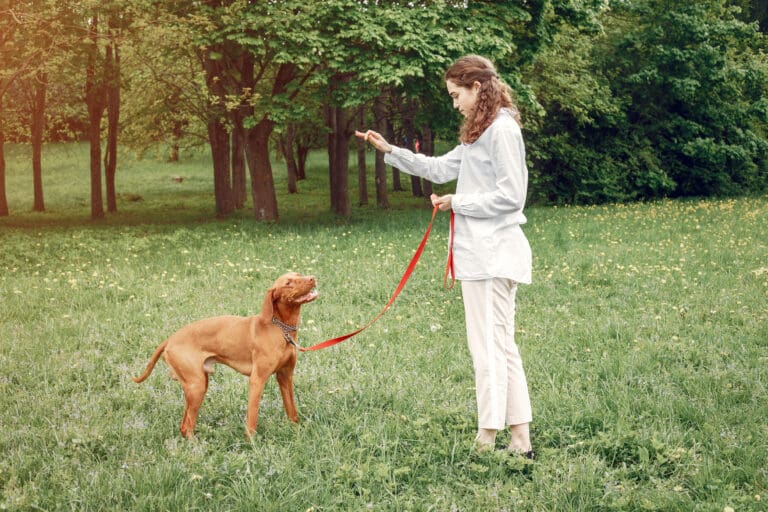
Several techniques can help reduce leash pulling. One effective method is the “stop and go” technique. When a puppy starts pulling, the owner stops walking and waits until the puppy calms down. Then, they resume walking. Positive reinforcement, such as treats and praise, can also encourage good leash behavior.
Choosing the right equipment is crucial for leash training. A well-fitted harness can provide more control without causing discomfort. Products like head collars can also be useful for strong pullers. Some owners find success with no-pull harnesses that feature a front attachment point. The key is to find what works best for your puppy.
Avoiding common mistakes is essential to successful leash training. Inconsistency can confuse your puppy, making training less effective. It’s important not to yank on the leash, as this could hurt the puppy and create negative associations. Instead, use gentle guidance and reward-based methods. Keeping training sessions positive and fun will yield the best results.
How To Leash Train Your Puppy (Dog Tips)
Common Reasons Puppies Pull on the Leash
There are several reasons why puppies might pull on the leash. One significant factor is their boundless energy and curiosity. Puppies are eager to explore their surroundings, making them prone to rush forward. Additionally, the new sights, smells, and sounds during walks can be overwhelmingly exciting. This excitement leads to pulling as they try to experience everything at once.
Another reason puppies pull on the leash is due to their natural instinct to follow moving objects. This could include chasing after squirrels, birds, or even other dogs. Puppies have a strong prey drive, which can cause them to pull vigorously. They might also pull to greet people, other pets, or objects of interest. Without proper training, this behavior tends to persist.
Sometimes, puppies pull because of anxiety or fear. Loud noises or unfamiliar environments can make them nervous. In these instances, pulling might be an attempt to escape from the perceived danger. Understanding the specific triggers can help address this issue more effectively. Keeping an eye on the puppy’s body language often provides valuable clues.
Lastly, puppies might pull simply because they don’t know how to walk on a leash yet. Leash training is a new skill they need to learn. Without guidance, puppies will rely on their instincts. Positive reinforcement and consistent training are crucial in teaching them proper leash manners. Patience and persistence from the owner play a significant role in this process.
Effective Techniques for Reducing Leash Pulling
One effective technique for reducing leash pulling is the “stop and go” method. When a puppy begins to pull, the owner stops walking immediately. The walk only continues once the puppy calms down and the leash is loose. This teaches the puppy that pulling leads to no progress. Over time, the puppy learns to walk calmly to maintain forward movement.
Using positive reinforcement is another powerful strategy. Rewarding puppies with treats or praise when they walk nicely on a leash encourages good behavior. This method works best when rewards are given consistently. Puppies should be rewarded immediately to make the connection. This reinforces the idea that staying close to the owner brings positive outcomes.
Employing redirection techniques can also be effective. If a puppy starts to pull, the owner can change direction suddenly. This keeps the puppy’s attention focused on the owner and makes pulling less rewarding. Consistently changing directions whenever the puppy pulls helps instill better leash manners. The puppy soon understands the need to follow the owner’s lead.
Incorporating training tools can further aid in reducing leash pulling. Using a no-pull harness or a head collar can provide better control over a strong puppy. These tools are designed to discourage pulling without causing harm. For example, a no-pull harness has a front attachment point that redirects the dog’s attention when it pulls. Adoption of these tools, along with positive reinforcement, can lead to more enjoyable walks.
Choosing the Right Equipment for Leash Training
Selecting the appropriate equipment is crucial for effective leash training. One of the most important items to consider is the type of leash. A standard six-foot leash made of nylon or leather is typically recommended. This length offers enough slack for the puppy to explore but still keeps them close. It’s essential to avoid retractable leashes, which can encourage pulling and reduce control.
Harnesses are also an important tool for leash training. A well-fitted harness can provide better control and comfort. There are different types of harnesses available, such as back-clip and front-clip harnesses. A front-clip harness can help reduce pulling by redirecting the puppy’s attention towards the owner. It’s important to choose one that fits snugly but doesn’t restrict movement.
Head collars can be useful for strong pullers who are harder to control. These collars fit around the puppy’s head and muzzle, allowing the owner to guide their head. This makes it easier to manage the puppy’s direction and reduces the tendency to pull. However, head collars should be used under guidance, as improper use can cause discomfort.
Other training aids like no-pull harnesses and gentle leaders can also be effective. No-pull harnesses work by tightening slightly when the puppy pulls, providing a gentle correction. Gentle leaders, on the other hand, guide the head similarly to a head collar. Both tools should be combined with positive reinforcement for the best results. Ensuring the puppy is comfortable with these aids is essential.
Investing in high-quality, durable equipment is key to successful leash training. Well-made products last longer and are more reliable. It’s also a good idea to consult with a veterinarian or professional trainer when choosing the right gear. Their expertise can guide you to the best options tailored to your puppy’s needs. Making the right choices sets a strong foundation for effective training.
Mistakes to Avoid When Training Puppies on the Leash
One common mistake is being inconsistent with commands and expectations. Puppies thrive on routine and consistency. If commands or rules change, it confuses them and slows down progress. Consistent cues help puppies understand what’s expected of them. This makes training clearer and more effective.
Another error is using punishment-based methods. Harsh corrections can cause fear and anxiety. Instead of correcting the behavior, it may worsen it. Positive reinforcement is a more effective approach. Rewards like treats, praise, or play encourage good behavior without causing stress.
Ignoring the puppy’s body language is another pitfall. Puppies often show signs when they are stressed or uncomfortable. It’s essential to pay attention to these signals and adjust training accordingly. Recognizing when your puppy is tired or overwhelmed can prevent negative experiences. Happy and relaxed puppies are more likely to learn and engage positively.
Using inappropriate equipment can also hinder progress. For example, retractable leashes or choke chains can be harmful. These tools can lead to injury and don’t provide the necessary control. Instead, opt for safer alternatives like a standard leash or no-pull harness. The right equipment supports both safety and effective training.
Overloading training sessions with too much information can overwhelm puppies. They have short attention spans and can easily become tired or distracted. Keep sessions short and focused. Break tasks into small, manageable steps. This makes learning easier and keeps the puppy enthusiastic.
Progress Tracking: How to Measure Your Puppy’s Improvement
Tracking your puppy’s training progress is essential for effective results. One way to measure improvement is by setting clear, achievable goals. These goals can include walking without pulling, responding to commands, or staying calm in new environments. Regularly assessing your puppy’s performance against these goals can show how much progress is being made. Documenting these milestones helps you stay on track and adjust training methods as needed.
Using a training journal can be very beneficial. In this journal, you can note daily activities, behaviors observed, and training sessions. Jot down any challenges encountered and how they were addressed. This detailed record allows you to monitor patterns and improvements over time. It also provides insight into what techniques are most effective for your puppy.
Another method to track progress is employing a progress chart or table. List the specific behaviors you are working on, and then track the frequency or duration of each behavior over time. This visual aid makes it easier to see trends and improvements. For example, if your puppy was pulling on the leash less frequently each week, this would clearly indicate progress.
Regularly evaluating your puppy in real-world scenarios can provide practical insights. Take your puppy to different environments to see how they handle distractions and new stimuli. This helps ensure that training is effective across various situations. Consistently practicing in different settings enhances your puppy’s adaptability. Adjusting the difficulty in diverse contexts is key to comprehensive training.
Engaging with a professional trainer for periodic assessments can also be beneficial. Trainers can provide objective feedback on your puppy’s progress. They might spot areas for improvement that you hadn’t noticed. This outside perspective ensures a well-rounded evaluation of your training efforts. Utilizing their expertise can provide valuable guidance toward achieving your training goals.

Frequently Asked Questions
Leash training is an important aspect of a puppy’s development. These questions aim to clarify common concerns and provide helpful insights for effective training.
1. Why do puppies pull more in certain environments?
Puppies pull more in certain environments due to heightened curiosity and excitement. New places have different smells, sounds, and sights which can be overwhelming for them. This sensory overload makes them eager to explore, leading to more pulling on the leash.
They might also become nervous in unfamiliar settings, causing them to pull in an attempt to escape or seek comfort. It’s crucial to introduce puppies to various environments gradually. This helps them become accustomed to different stimuli and reduces their urge to pull excessively.
2. What role does positive reinforcement play in leash training?
Positive reinforcement is crucial in leash training as it encourages desirable behavior through rewards. When puppies receive treats or praise for not pulling, they associate good behavior with positive outcomes. This reinforcement strengthens their habit of walking calmly on the leash.
Consistently applying positive reinforcement makes training more effective and keeps puppies motivated. It promotes a bond of trust between the puppy and the owner. This method is also humane, avoiding the negative impact of punishment-based techniques.
3. Are certain leash types better for training puppies?
Yes, certain leash types are better for training puppies. A standard six-foot leash provides a balance between freedom and control. It allows the puppy enough room to explore while keeping them within manageable limits.
No-pull harnesses are also beneficial as they reduce pulling without causing discomfort. These harnesses are designed to redirect the puppy’s attention, making it easier for the owner to manage the training process. Choosing the right leash is essential for effective training.
4. How long does it typically take to train a puppy to walk on a leash?
The time it takes to train a puppy to walk on a leash varies depending on the puppy’s personality, consistency of training, and techniques used. On average, it can take several weeks to a few months for puppies to learn proper leash manners. Regular practice and patience are key.
Some puppies may learn faster, especially with consistent positive reinforcement and good training equipment. It’s important not to rush the process and to be patient with the puppy, ensuring each step is well understood before moving forward.
5. What should I do if my puppy refuses to walk on the leash?
If a puppy refuses to walk on the leash, it might be due to fear or discomfort. Start by ensuring the leash and collar fit properly and are comfortable. Encourage the puppy with treats and praise, making the walking experience positive and enjoyable.
Gradually introduce the leash in a familiar environment to minimize anxiety. Begin with short, positive experiences and slowly increase the duration. If the issue persists, consider consulting a professional trainer for additional guidance.
Conclusion
Training puppies that pull on the leash requires patience, consistency, and the right techniques. By understanding their behavior and using positive reinforcement, owners can make significant progress. Choosing suitable equipment and avoiding common mistakes are also vital for success.
Tracking progress helps to measure improvement and adjust training strategies as needed. With dedication and the right approach, leash training can become an enjoyable part of bonding with your puppy. Ultimately, this effort leads to more pleasant walks and a stronger relationship with your furry friend.
Location Pages ONLY - Web Lead Contact Form
"*" indicates required fields