

The Role of Prebiotics in Preventing Canine Anxiety
It might come as a surprise, but the gut health of our canine companions plays an integral role in their mental well-being. Recent studies have demonstrated a link between the gut microbiome and anxiety levels in dogs, suggesting that a healthy gut can help mitigate anxiety. The key to achieving this balance lies in the integration of prebiotics into their diet.
Prebiotics serve as the fuel for beneficial gut bacteria, fostering a healthy microbiome. Historically, canine diets lacked adequate sources of prebiotics, which likely contributed to various health and behavioral issues. Remarkably, a balanced gut microbiome, bolstered by prebiotics, has shown to significantly reduce anxiety symptoms in dogs, presenting a promising avenue for preventative care.
Prebiotics help maintain a healthy gut microbiome in dogs, which can significantly reduce anxiety levels. They promote the growth of beneficial bacteria, improving digestion and overall health. A balanced gut-brain axis helps manage stress and emotional well-being, making prebiotics an effective natural approach to preventing canine anxiety.
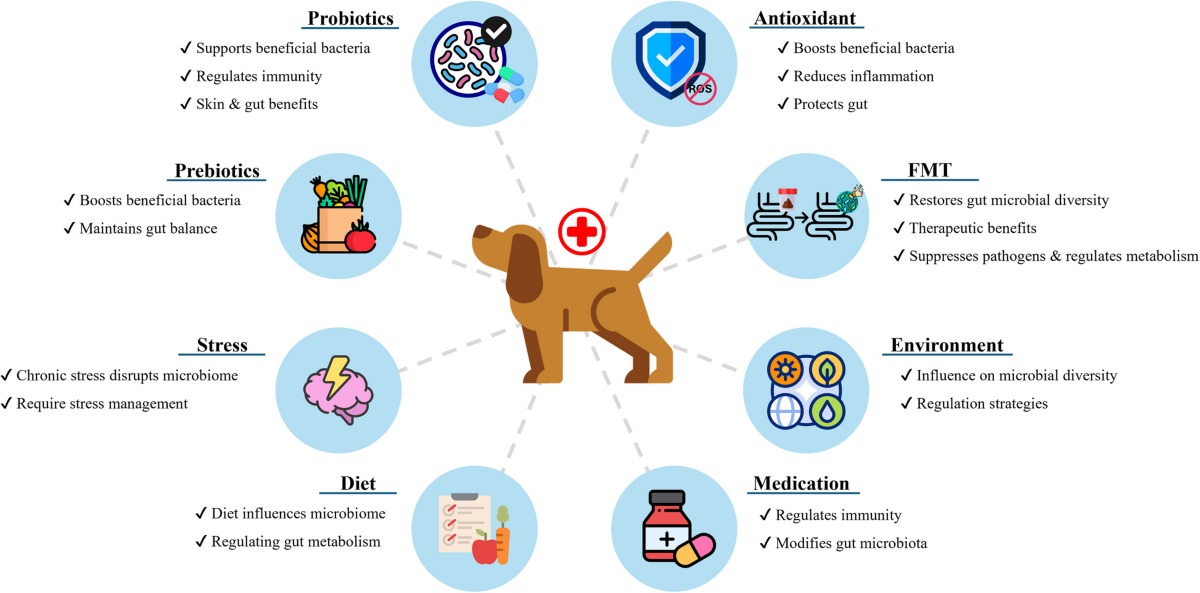
The Role of Prebiotics in Preventing Canine Anxiety
Prebiotics play a vital role in the health of a dog’s gut. They serve as food for beneficial bacteria, helping maintain a balanced gut microbiome. This balance is crucial because a healthy gut influences not just physical health, but also mental well-being. Recent research has shown that dogs with a healthy gut have lower anxiety levels. By incorporating prebiotics into your dog’s diet, you can potentially help reduce their anxiety.
The connection between gut health and mental health is known as the gut-brain axis. In dogs, this connection means that an unhealthy gut can lead to increased anxiety and stress. By keeping the gut microbiome balanced, prebiotics help foster a calmer, happier dog. The benefits are clear in both behavior and overall health.
Implementing prebiotics in your dog’s diet doesn’t have to be difficult. There are many prebiotic-rich foods and supplements available. Some common sources include chicory root, garlic, and certain fibers. You can also consult with your vet to find the best prebiotic supplements for your dog. Consistency is key, so make sure to include these prebiotics regularly to see the best results.
Many pet owners have already seen positive changes by adding prebiotics to their dogs’ diets. Dogs with previously high anxiety have become more relaxed and content. Veterinarians often recommend prebiotics as part of a comprehensive approach to managing canine anxiety. Given their proven benefits, prebiotics are a simple yet powerful tool in promoting a healthier, happier life for your dog.
What Are Prebiotics and How Do They Influence Canine Health?
Prebiotics are specialized plant fibers that help nourish the good bacteria in the gut. Unlike probiotics, which introduce live bacteria into the system, prebiotics feed the existing beneficial bacteria. This feeding helps these bacteria grow and multiply, creating a healthier gut environment. This improved gut health can have numerous benefits for dogs. It can enhance digestion, boost the immune system, and even improve mood.
In dogs, a healthy gut is essential for overall well-being. Poor gut health can lead to various problems, including digestive issues and weakened immunity. By promoting a healthy gut microbiome, prebiotics play a key role in preventing these problems. They help maintain a balance in the gut, reducing the likelihood of issues. This balance makes dogs not only healthier but also happier.
There are various sources of prebiotics that can be added to a dog’s diet. Common ones include chicory root, garlic, and certain dietary fibers. These can be found in both natural foods and supplements. Including these prebiotics in your dog’s diet can be straightforward. Here are some easy-to-find prebiotic sources:
- Chicory root
- Garlic
- Oats
- Apples
- Bananas
Veterinarians often recommend prebiotics as part of a balanced diet for dogs. Pet owners report seeing significant improvements in their dogs’ health and behavior after incorporating prebiotics. Healthier dogs are more energetic, less anxious, and have better digestion. This simple dietary addition can make a huge difference. Consider consulting your vet for the best prebiotic options for your pet.
Exploring the Gut-Brain Axis in Dogs
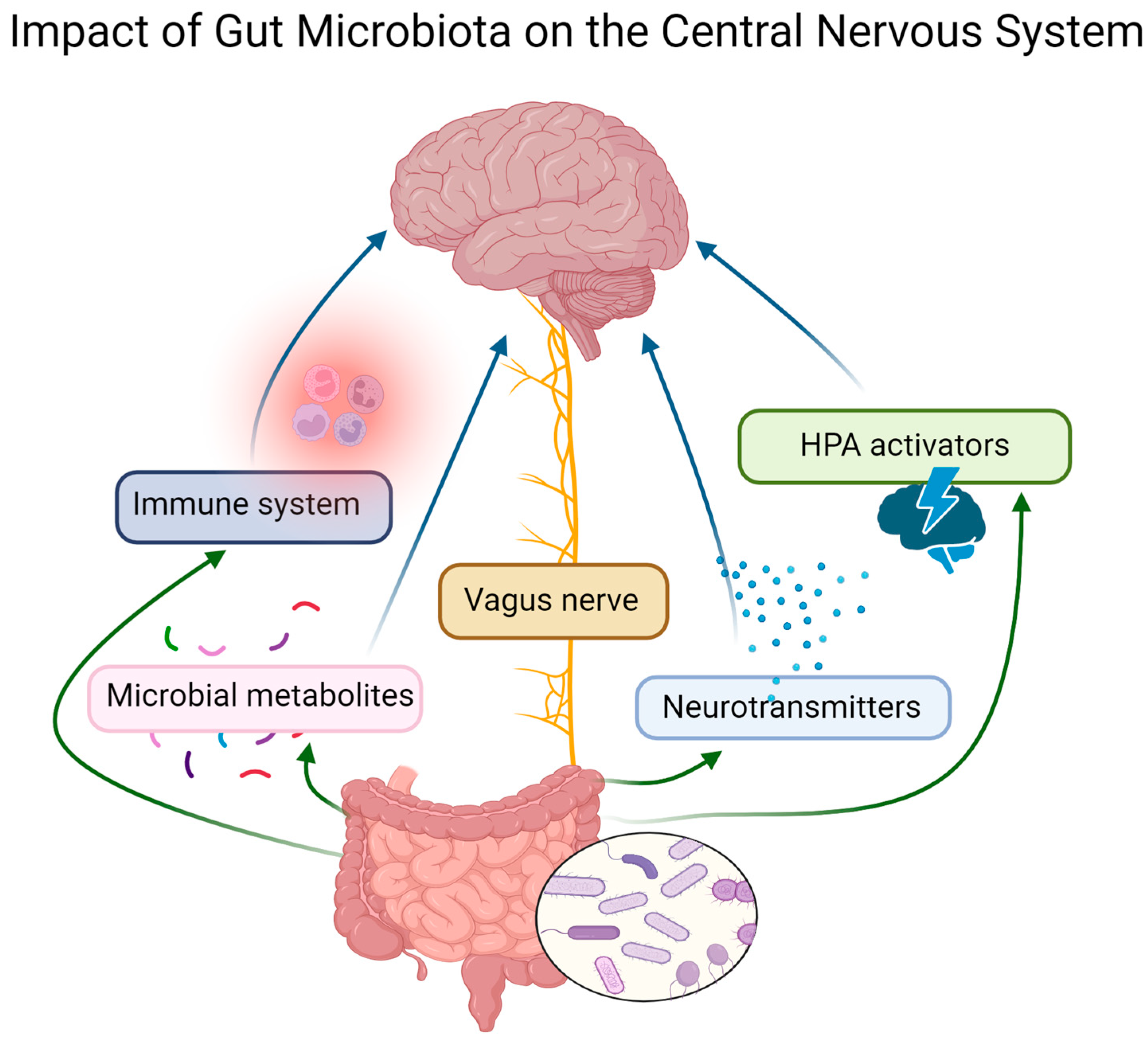
The gut-brain axis is a communication network that links the gut and the brain. In dogs, this connection is just as crucial as it is in humans. The gut microbiome can affect the brain’s function and behavior. This means that an unhealthy gut can lead to anxiety and stress in dogs. Understanding this connection can help in addressing various behavioral issues.
Research has shown that gut health significantly impacts a dog’s mental state. When the gut is balanced with good bacteria, it sends positive signals to the brain. Conversely, an imbalance can lead to the production of stress hormones. These stress hormones can cause anxiety and other behavioral problems. Hence, maintaining a healthy gut is vital for a calm and happy dog.
Several studies have supported the importance of the gut-brain axis. Scientists have mapped out how gut bacteria produce neurotransmitters. These neurotransmitters communicate with the brain, influencing mood and behavior. For example, certain gut bacteria produce serotonin, known as the “happy chemical.” These findings emphasize the importance of a balanced gut microbiome.
To support a healthy gut-brain axis in dogs, dietary changes can be very effective. This includes incorporating prebiotics and probiotics into their meals. These nutrients help maintain a healthy balance of gut bacteria. Foods like yogurt, pumpkin, and chicory root are excellent sources. Regularly including these can provide numerous benefits for your dog’s mental health.
Case Studies: Success Stories of Prebiotics Reducing Anxiety
One remarkable case involves a Labrador named Max. Max had struggled with severe anxiety, especially during thunderstorms. His owner introduced prebiotics into his diet after consulting with a vet. Within a few weeks, Max showed significant improvements. He became calmer and more relaxed even during storms.
Another success story features Bella, a small terrier mix. Bella was adopted from a shelter and exhibited high levels of stress. Her new family included prebiotic supplements in her meals. Over time, Bella’s stress levels decreased noticeably. She became more sociable and less fearful of new environments.
The case of Rocky is also noteworthy. Rocky, a German Shepherd, had a history of digestive issues and anxiety. His owners started giving him foods rich in prebiotics, like pumpkin and oats. Not only did Rocky’s digestion improve, but his anxiety also reduced. He now enjoys a more balanced and active lifestyle.
One more example is Daisy, a Golden Retriever suffering from separation anxiety. Her owner decided to try prebiotics as a natural remedy. After incorporating prebiotics into Daisy’s diet, there was a remarkable change. Daisy became less clingy and managed to stay calm when left alone. This significantly improved the quality of life for both Daisy and her owner.
These cases underline the powerful impact of prebiotics on canine anxiety. Vets often recommend them because they are natural and safe. Many owners have seen dramatic improvements in their dogs’ behavior and health. This evidence further supports the use of prebiotics as a valuable tool. Dogs across various breeds and backgrounds have benefited from this simple dietary addition.
Here is a table showing the progression of anxiety levels in dogs after introducing prebiotics:
| Dog’s Name | Initial Anxiety Level | Anxiety Level After 4 Weeks |
|---|---|---|
| Max | High | Low |
| Bella | High | Moderate |
| Rocky | Moderate | Low |
| Daisy | High | Low |
Implementing Prebiotics in Dog Diets: Tips and Strategies
Introducing prebiotics into your dog’s diet can seem challenging at first. However, it can be quite simple with a few strategies. Begin by identifying common prebiotic-rich foods your dog might enjoy. These include bananas, oats, and apples. Gradually incorporate these into their meals to ensure a smooth transition.
Building a balanced diet that includes prebiotics is essential. You can add a small amount of prebiotic-rich food to your dog’s regular feed. This approach helps their digestive system adjust gradually. If your dog is picky, mixing prebiotic foods with their favorite treats can work wonders. Consistency is key to achieving the desired benefits.
Consider using prebiotic supplements for convenience and effectiveness. These supplements are designed to provide the right amount of prebiotics. Consult with your veterinarian before starting any supplements, as they can recommend the best options. Prebiotic supplements come in various forms, such as powders and chews, making them easy to administer.
Many commercial dog foods now offer prebiotic-enriched formulas. These ready-made options can simplify the process of ensuring your dog gets enough prebiotics. Look for labels that mention prebiotics or specific ingredients like chicory root. This way, you can provide your dog a nutritious and balanced diet without extra preparation.
Introducing new foods or supplements should be done gradually. Sudden changes in diet can cause digestive upset. Start with small amounts and observe your dog’s reaction. If they tolerate it well, you can gradually increase the portion. This gradual approach helps avoid any adverse effects and ensures your dog benefits fully from the prebiotics.
To make it easier to track, here’s a list of prebiotic-rich foods and supplements for dogs:
- Chicory root
- Bananas
- Oats
- Apples
- Prebiotic supplements (consult your vet)
Frequently Asked Questions
Understanding the role of prebiotics in canine health can help manage and prevent anxiety in dogs. Below are some common questions and engaging answers about how prebiotics can benefit your furry friend.
1. How do prebiotics differ from probiotics for dogs?
Prebiotics are non-digestible fibers that serve as food for the beneficial bacteria in your dog’s gut. They help these bacteria grow and thrive, ensuring a balanced gut microbiome. Probiotics, on the other hand, are live beneficial bacteria added to your dog’s system to help increase the population of good bacteria directly. Both prebiotics and probiotics work together to promote better gut health.
Including both prebiotics and probiotics in your dog’s diet can optimize gut health. Prebiotics create a healthy environment for the probiotics to work more effectively. This combination can help improve digestion and overall well-being. Consult your vet to determine the best way to include both in your dog’s diet.
2. Can prebiotics help dogs with digestive issues?
Yes, prebiotics can be very beneficial for dogs with digestive issues. By feeding the good bacteria in the gut, prebiotics help maintain a balanced microbiome. This balance can reduce common digestive problems such as diarrhea, constipation, and bloating. A healthy gut contributes to better nutrient absorption and overall health.
Introducing prebiotics into your dog’s diet can be a gentle way to support digestive health. Foods rich in prebiotics, like chicory root or oats, are easy to add to meals. Over time, consistent use of prebiotics can lead to noticeable improvements in your dog’s digestion and comfort.
3. What are some natural sources of prebiotics for dogs?
Several natural foods are rich in prebiotics and can be easily incorporated into your dog’s diet. Common sources include chicory root, garlic, bananas, and apples. These foods contain fiber and other nutrients that help feed the beneficial bacteria in the gut. Adding these to your dog’s meals can support a healthy microbiome.
Always introduce new foods gradually to avoid upsetting your dog’s stomach. It’s also wise to consult your vet before adding significant new elements to their diet. A balanced approach ensures that your dog receives the benefits of prebiotics without any adverse effects.
4. Are there any risks associated with giving dogs prebiotics?
Generally, prebiotics are safe for dogs and provide many health benefits. However, overfeeding prebiotics can lead to digestive upset such as gas or diarrhea. It’s important to introduce prebiotics gradually and in moderation. Always consult your veterinarian to determine the appropriate amount for your dog’s specific needs.
Your vet can help you choose the best sources and amounts of prebiotics for your dog. Monitoring your dog’s response to prebiotics is crucial. If you notice any adverse reactions, adjust the dosage or the source of prebiotics accordingly.
5. How long does it take to see the effects of prebiotics on anxiety in dogs?
The time it takes to see the effects of prebiotics on a dog’s anxiety can vary. Some dogs may show improvements within a few weeks, while for others, it might take longer. Consistency is key, so ensure you maintain the prebiotic regimen as recommended by your vet. Gradual improvements might include reduced stress behaviors and a calmer demeanor.
Patience is essential when using prebiotics for any health benefit. While some changes may be quick, others can take a few months to become apparent. Keeping a log of your dog’s behavior before and after starting prebiotics can help track progress and make any necessary adjustments.
Conclusion
Understanding the role of prebiotics in canine health opens new avenues for preventing anxiety. By maintaining a balanced gut microbiome, prebiotics can improve both digestive health and mental well-being in dogs. The positive effects on behavior make prebiotics a valuable component of a dog’s diet.
Implementing prebiotics is simple and can be achieved through dietary changes or supplements. Consultation with a vet ensures the best approach tailored to your dog’s needs. Ultimately, a healthy gut leads to a happier, less anxious dog.
"*" indicates required fields