Training for Rural Dogs vs. Urban Dogs: Key Differences
Training rural vs. urban dogs requires unique approaches that reflect their very different environments. While rural dogs may be more accustomed to open spaces and wildlife distractions, urban dogs must navigate constant noise, close encounters, and busy sidewalks. These contrasting lifestyles influence the way dogs learn, respond to commands, and build confidence. In this guide, we’ll explore how to adjust your training techniques based on where your dog lives, so they thrive whether they’re chasing squirrels in the countryside or walking calmly through a city park.
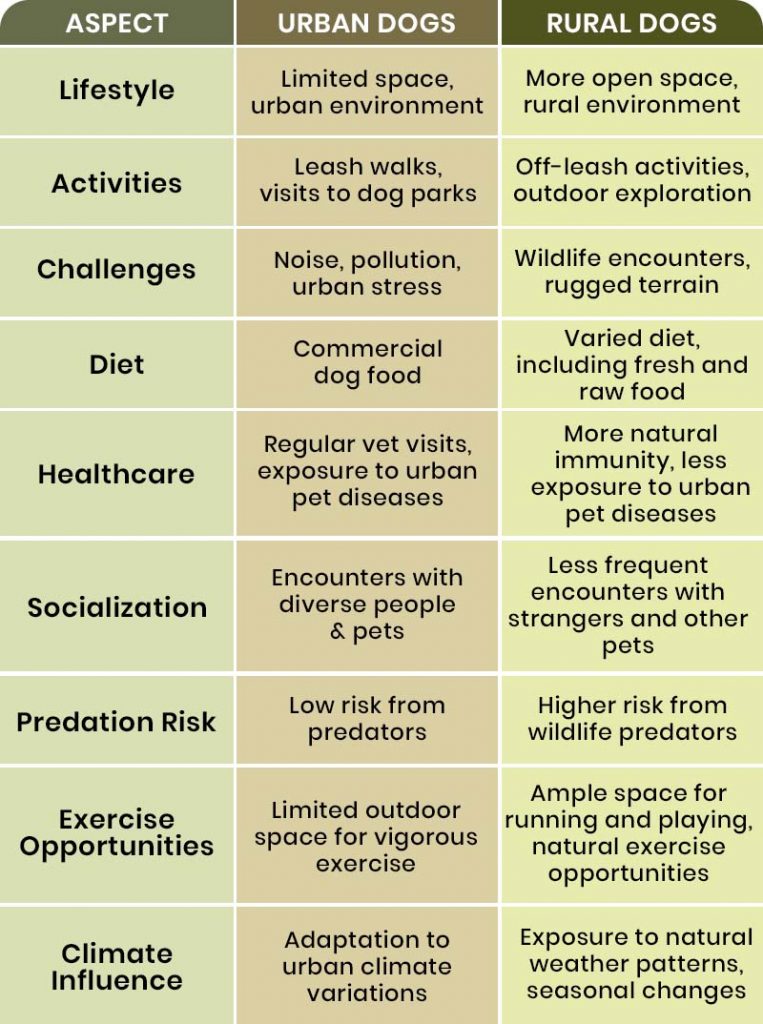
Rural dogs often have wider spaces to roam, necessitating training focused on off-leash control and interaction with other animals. On the contrary, urban dogs must be trained to navigate crowded streets, cope with noise pollution, and interact with a diverse population. A recent survey found that 60% of urban dog owners prioritize leash training, while their rural counterparts focus on recall and animal socialization skills.
Training for rural dogs focuses on off-leash control, recall commands, and interaction with animals, while urban dogs need leash training, socialization with diverse people and pets, and coping with noise and crowded environments. Tailored techniques ensure safety and proper behavior linked to each unique setting.
Essential Training Differences for Rural and Urban Dogs
Training a dog in a rural setting involves unique challenges and opportunities. Rural dogs often have vast, open spaces to explore, which means they need training to prevent them from wandering off or chasing wildlife. Commands such as “recall” become crucial for safety. Additionally, rural dogs might encounter farm animals, requiring them to learn how to behave around other species. This training helps ensure harmony between the dog and its environment.
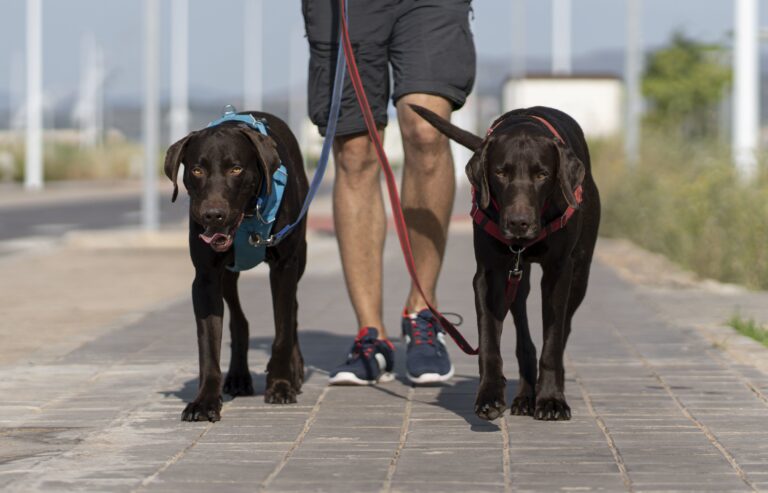
Urban dogs, on the other hand, face different obstacles. They must be accustomed to crowded streets, noisy traffic, and numerous distractions. Leash training is particularly important for urban dogs to ensure they walk calmly without pulling. Socialization with diverse people and pets is also critical to prevent behavioral issues. Urban dogs need to cope with various stimuli that are not present in rural areas.
Rural dogs often need training that focuses on both their interaction with nature and off-leash control. It’s common to teach these dogs to resist the temptation to chase after other animals. This requires a strong, consistent recall command. They may also benefit from training that includes boundary setting, ensuring they don’t wander too far from home. These skills are vital in a rural landscape.
In urban areas, training must prioritize safety around vehicles and strangers. Commands like “heel” and “stay” are essential for navigating traffic safely. Urban dogs often need to master basic obedience in tight, bustling spaces. This training helps prevent accidents and ensures the dog’s wellbeing in a busy city environment. Urban dogs also benefit from crate training due to the confined living spaces typical in cities.
Comparative Analysis of Training Environments
Training environments for rural and urban dogs differ significantly due to their surroundings. Rural environments are usually quiet and open, providing fewer distractions. This setting allows for a focus on skills like “recall” and off-leash control. In contrast, urban training environments are filled with noise and activity. Dogs here must learn to stay calm around traffic, crowds, and other stimuli.
Rural dogs benefit from learning to navigate vast open spaces and interact with various animals. They often encounter livestock or wildlife, making it important for them to learn respectful and controlled behavior. Training in a rural setting can also include boundary training to prevent the dog from wandering too far. These environments help dogs build confidence in wide, open areas. This training keeps them safe and obedient in nature.
Urban dogs, meanwhile, must adapt to confined spaces and a high level of human interaction. Leash training becomes essential to ensure they can walk in crowded streets without pulling. Socialization is also crucial to help them interact positively with diverse people and pets. Urban training often includes commands like “sit” and “stay” to manage behavior in busy environments. These skills are vital in preventing accidents and ensuring safety.
In both settings, the trainer’s approach must be tailored to the dog’s environment. Rural training often incorporates natural obstacles, such as hills and streams, which dogs must learn to navigate. In urban settings, trainers might use simulated traffic or crowded scenarios to teach dogs proper behavior. Both environments require patience and consistency. The goal is to create a well-behaved, confident dog suited to its surroundings.
Common Training Techniques for Rural Dogs
Rural dogs often need training techniques that address their unique environment. One crucial technique is recall training, which ensures dogs return when called, even in open spaces. This is vital for their safety, especially when they can roam freely. Another effective method is boundary training. This helps dogs understand the limits of their territory to prevent them from wandering too far.
Training rural dogs to behave around livestock is also essential. They must learn not to chase or disturb farm animals. This can be achieved through consistent commands and positive reinforcement. Exposure to different animals helps them remain calm and controlled. Such training promotes peaceful coexistence between the dog and other species.
Some rural dogs work as herding or hunting dogs, requiring specialized training. Herding dogs need to learn specific commands to manage livestock efficiently. Hunting dogs are trained to follow scents and retrieve game. These specialized techniques build on basic obedience skills. They turn the dog into a reliable partner in demanding tasks.
Basic obedience training remains foundational, even for rural dogs. Commands like “sit,” “stay,” and “come” are essential for managing behavior in various situations. Using natural obstacles, like streams and hills, can be part of the training. This approach keeps training sessions engaging and relevant to their daily life. By tailoring these techniques to the rural environment, dogs become well-prepared for their surroundings.
Key Training Strategies for Urban Dogs
Training urban dogs requires techniques that address the unique challenges of city living. Leash training is crucial to ensure dogs walk calmly without pulling. The command “heel” helps maintain control and ensures safety around busy streets. Short, regular walks in diverse environments help them adapt better. Practicing leash manners can prevent unexpected accidents.
Socialization is another key strategy. Urban dogs frequently meet new people and other pets, making social skills essential. Early exposure to various sounds, sights, and smells helps dogs become well-adjusted. Structured socialization, like visiting dog parks or organized pet events, can be highly beneficial. Positive experiences during these outings promote calm and friendly behavior.
Basic obedience training forms the foundation of an urban dog’s education. Commands like “sit,” “stay,” and “leave it” are necessary in a bustling city. These commands help manage the dog’s behavior in confined, crowded places. Using treats and praise for reinforcement encourages quick learning. Consistency in training sessions ensures lasting results.
Crate training is essential for urban dogs, especially those living in apartments. It provides them with a safe, quiet space when the environment gets overwhelming. Crates can also be useful during travel and vet visits. Training a dog to enjoy their crate can prevent stress and anxiety. Start with short sessions and gradually increase time spent in the crate.
Noise desensitization is critical due to the constant urban sounds. Gradually exposing dogs to different noises at a low volume can help. Over time, the volume can be increased to mimic real-life scenarios. This process helps reduce fear and anxiety in noisy environments. Using audio recordings of city sounds can facilitate this training.
Mental stimulation is vital to keep urban dogs happy and healthy. Puzzle toys, obedience training, and interactive games keep their minds active. Regular new challenges prevent boredom and discourage destructive behaviors. Mental exercises can be easily incorporated into daily routines. This keeps dogs engaged and mentally satisfied.

Frequently Asked Questions
Training dogs in rural and urban environments presents distinct challenges and opportunities. Here are some common questions and answers to help you understand these differences better.
1. What are the common challenges in training rural dogs?
Rural dogs often face the challenge of vast, open spaces. This freedom can lead to dogs wandering off or encountering wildlife. To address this, owners must focus on teaching strong recall commands. Ensuring dogs return when called is crucial for their safety.
Another challenge is that rural dogs might encounter farm animals. Training here includes ensuring the dog doesn’t chase or disturb these animals. Consistent commands and positive reinforcement are key strategies. This training helps maintain peace between the dog and other species.
2. Why is leash training important for urban dogs?
Leash training is crucial for urban dogs due to the high level of human and vehicle traffic. A well-trained dog will walk calmly beside its owner without pulling. This reduces the risk of accidents on busy streets. Leash training also ensures the dog doesn’t become a danger to others.
Moreover, leashed walks are often the primary form of exercise for urban dogs. Proper leash behavior enhances these walks, making them more enjoyable for both the owner and the dog. Practicing commands like “heel” can improve control and safety. Consistent training sessions ensure lasting results.
3. How does socialization differ between rural and urban dogs?
In rural settings, socialization often involves interactions with other animals. Dogs need to behave well around livestock and wildlife. Exposure to different species helps prevent chasing and aggressive behavior. Rural socialization aims for harmony with the environment and other animals.
Urban dogs, however, require socialization with diverse people and pets. They frequently encounter strangers and other animals in close quarters. Early socialization helps urban dogs remain calm and friendly. It helps prevent fear and aggression in crowded spaces.
4. What specific commands are essential for rural dog training?
Essential commands for rural dogs include “recall” and “stay.” These commands prevent the dog from wandering too far or chasing animals. Boundary training is also important, teaching the dog the limits of its territory. This keeps the dog safe and close to home.
Additionally, rural dogs might learn specific skills based on their roles. For instance, herding dogs need commands to manage livestock. Hunting dogs require skills to follow scents and retrieve. These specialized commands build on basic obedience techniques.
5. How can noise desensitization help urban dogs?
Urban dogs are constantly exposed to loud and sudden noises, like traffic and sirens. Noise desensitization involves gradually introducing these sounds at a low volume. Over time, the volume is increased to mimic real-life scenarios. This process helps reduce anxiety and fear.
Using audio recordings of city sounds can be an effective training tool. It helps dogs become accustomed to the din of urban life without stress. Regular exposure and positive reinforcement create a calm, confident dog. This training ensures the dog remains composed in noisy environments.
Conclusion
Training rural and urban dogs requires tailored approaches to address their unique environments. Rural dogs benefit from recall commands, boundary training, and interactions with other animals. These methods ensure they stay safe and well-behaved in open spaces. In contrast, urban dogs need leash training and noise desensitization to navigate busy streets safely.
Both environments demand consistency and patience from trainers. Urban dogs also thrive on socialization and crate training to adjust to city life. By understanding and applying these key differences in training, owners can create a harmonious relationship with their dogs regardless of their living environment. Tailored training helps dogs thrive, making them confident and obedient companions.
"*" indicates required fields