
Fear-Based Reactivity Vs. Aggression: Spotting The Difference
Understanding the distinction between fear-based reactivity and aggression can be crucial, especially given that over 70% of behavior issues in dogs are linked to fear. Imagine a scenario where an animal lashes out not out of malice, but sheer terror. This often misunderstood behavior requires a nuanced approach to prevent potential harmful outcomes for both the animal and humans involved.
Historically, aggression was often seen as a uniform response, but recent studies reveal the complexity beneath. Fear-based reactivity often manifests as defensive behavior in stressful situations, whereas aggression can stem from dominance or territorial instincts. Recognizing the underlying causes allows for more effective interventions, reducing the chance of unintended harm and fostering safer environments for all.
Fear-Based Reactivity vs. Aggression: Spotting the Difference
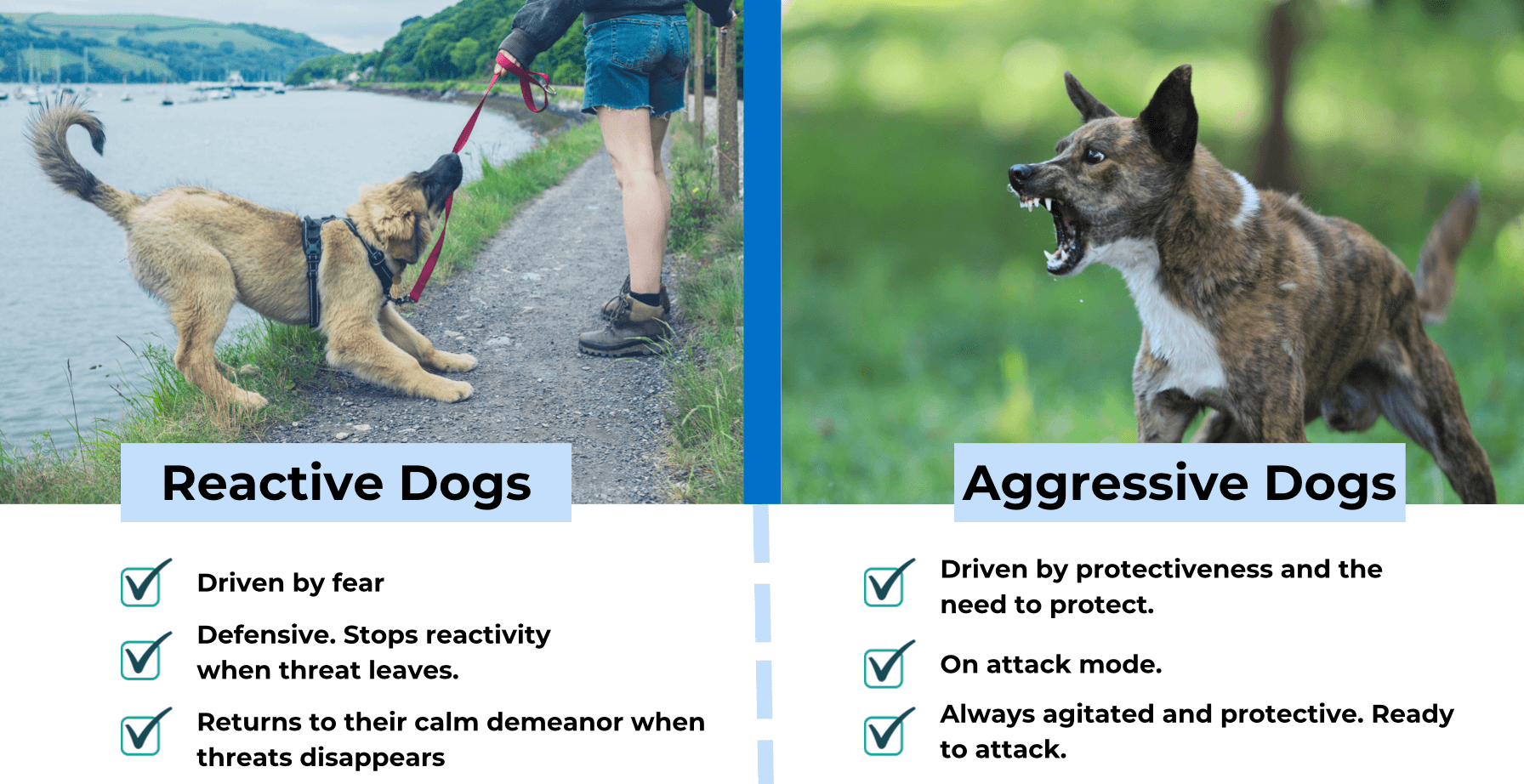
Fear-based reactivity and aggression are often confused, but they stem from different causes. Fear-based reactivity occurs when an animal reacts defensively to a perceived threat. This can be seen in nervous body language, growling, or retreating. Aggression, on the other hand, typically involves offensive behaviors. It may be driven by dominance, territorial instincts, or even frustration.
The triggers for these behaviors vary greatly. Fear-based reactions often arise in situations where the animal feels cornered or threatened. Common triggers include loud noises, unfamiliar environments, or previous traumatic experiences. Aggression might be triggered by perceived invasions of territory or competition over resources like food. Understanding these triggers is essential for effective management.
Behavioral signs help in differentiating between the two. During fear-based reactivity, animals may show signs like tucked tails and attempts to escape. They may also exhibit behaviors such as hiding, or avoiding eye contact. Aggression often involves a more direct approach, such as barking, lunging, or even biting. Recognizing these signs early on can prevent escalation and ensure safety.
Training and management techniques need to be tailored to the underlying cause of the behavior. For fear-based reactivity, creating a safe space and gradual desensitization are key. Positive reinforcement helps build confidence in stressful situations. Aggression may require more structured training programs and sometimes professional intervention. Properly identifying the issue ensures appropriate and effective treatment.
How to fix FEAR REACTIVITY in dogs
Defining Fear-Based Reactivity and Aggression
Fear-based reactivity is a defensive response seen in animals. When they sense danger or feel threatened, they react to protect themselves. This behavior can include growling, hiding, or trying to escape. Often, their body language tells the story, with signs like crouching and tail tucking. Reactivity is all about survival in a perceived dangerous situation.
Aggression, however, is usually more about offense than defense. It involves behaviors aimed at dominating or controlling a situation. This can manifest as barking, biting, or lunging. Animals displaying aggression often hold their ground, showing confidence rather than fear. Understanding this distinction helps in managing these behaviors effectively.
Several factors contribute to these behaviors. For fear-based reactivity, common causes include past trauma, lack of socialization, and sudden environmental changes. Aggression can stem from territorial instincts, dominance issues, or resource guarding. Identifying these causes is key to addressing the behavior appropriately.
Professionals use various strategies to manage these behaviors. For fear-based reactivity, creating safe spaces and using positive reinforcement techniques are effective. Aggressive behavior might require structured training programs and sometimes professional intervention. Effective management ensures the safety of both the animal and those around it.
Common Triggers for Fear-Based Reactivity and Aggression
Common triggers for fear-based reactivity are varied and situational. Loud noises, such as thunderstorms or fireworks, often startle animals, causing them to react defensively. Unfamiliar places can also provoke fear-based responses, especially if the animal feels cornered or trapped. Past traumatic experiences, like abuse or abandonment, significantly increase the likelihood of fear-based reactivity. Even the presence of unfamiliar people or animals can set off defensive behaviors.
Aggression is generally triggered by factors related to dominance and territorial issues. For example, a dog may become aggressive if its food is threatened. Encroachment on its territory by other animals or humans can also provoke aggressive responses. Frustration over unmet needs or prolonged confinement might lead to aggression as well. This type of behavior is often more direct and confrontational.
Understanding these triggers helps in creating a safer environment. Identifying what scares or threatens an animal allows for the development of strategies to minimize those stressors. This can include gradual exposure to triggers in a controlled manner, or providing a safe space where the animal feels secure. Recognizing territorial triggers and teaching appropriate boundaries can greatly reduce aggressive incidents.
Professionals often use these insights to implement behavior modification programs. These programs may involve desensitization techniques, where the animal is slowly exposed to triggers to build tolerance. Positive reinforcement can gradually change how the animal perceives these triggers. Tailored intervention plans are crucial for promoting long-term behavioral improvements.
Behavioral Signs Differentiating Fear-Based Reactivity from Aggression
Behavioral signs play a crucial role in distinguishing fear-based reactivity from aggression. Animals displaying fear-based reactivity often show submissive behaviors. They might cower, tuck their tails, or try to hide. These actions signal their desire to avoid confrontation. Additionally, their movements can be jittery and hesitant.
Aggression, however, is marked by more assertive behaviors. An aggressive animal might growl, show its teeth, or stand its ground firmly. Their body language is more confident, aimed at intimidating the perceived threat. Such animals might bark loudly or lunge forward. These behaviors demonstrate an intent to control or dominate the situation.
Physical cues can also differ significantly. In fear-based reactivity, the ears are often flattened against the head. The eyes may appear wide, with dilated pupils, indicating heightened stress. Aggression, on the other hand, may involve raised hackles and a more focused gaze. The animal’s body is often tensed and ready for action.
Understanding vocalizations also helps in identifying the type of behavior. Animals reacting out of fear may whine or yelp, with the sounds indicating distress. Aggressive animals often employ deep, guttural growls or sharp barks. These sounds are meant to warn off the intruder. Recognizing these vocal differences is key in responding appropriately.
These behavioral signs are important for creating effective training plans. Knowing whether an animal’s reaction stems from fear or aggression helps in choosing the right techniques. For fear-based behaviors, creating a sense of safety and building confidence is essential. Addressing aggression requires setting boundaries and incorporating structured training. Tailoring approaches to specific behaviors leads to better outcomes.
Implications for Training and Management
The difference between fear-based reactivity and aggression holds significant implications for training and management. For fear-based reactivity, training should focus on building trust and confidence. Using positive reinforcement helps animals associate stressful situations with positive outcomes. Desensitization and counter-conditioning techniques can gradually reduce the fear response. These methods promote a sense of safety and control for the animal.
Dealing with aggression requires a different approach. Aggressive behavior often benefits from clear boundaries and structured training. Techniques such as obedience training can reinforce desired behaviors. In some cases, professional intervention from a behaviorist may be necessary. Aggression management often involves a combination of training and environmental modifications.
Consistency is key in both scenarios. Animals need to understand what behaviors are expected of them. Consistent, predictable training sessions reinforce learning and build trust. Inconsistent approaches can confuse the animal and potentially worsen the behavior. Establishing a routine is beneficial.
Understanding the causes behind the behavior is crucial. An animal reacting out of fear requires different strategies than one acting aggressively. Tailoring training to the specific issue ensures more effective results. Trainers must assess the underlying motivators before implementing any program. Proper assessment leads to targeted and efficient interventions.
Safety should always be a priority. When dealing with aggressive animals, use tools like leashes, muzzles, or barriers to prevent harm. During training, ensure that the environment is controlled. This reduces the risk of unexpected triggers or distractions. Safe management practices protect both the animal and those around it.
Case Studies: Real-Life Examples of Fear-Based Reactivity and Aggression
One case involved a dog named Bella, who was rescued from an abusive situation. She displayed fear-based reactivity, barking and growling at strangers. With consistent positive reinforcement, Bella learned to trust people again. Gradual exposure to new environments helped in reducing her fear. Today, Bella is much more comfortable and less reactive.
Another example is Max, a dog who exhibited aggressive behaviors. His aggression was triggered by food guarding and territorial instincts. Professional intervention was needed to manage Max’s behavior. Obedience training and resource management strategies were implemented. Over time, Max’s aggression lessened, and he became more manageable around food.
There was also a case of a cat named Luna, who showed severe fear-based reactivity. Loud noises, in particular, triggered her reactivity, causing her to hide for hours. Luna’s owner used desensitization techniques and created quiet spaces for her. Gradually, Luna became less sensitive to those triggers. She now exhibits more confidence in her home.
For a different perspective, consider the case of Rocky, a Rottweiler with territorial aggression. Rocky would bark aggressively at anyone nearing the property. His training involved creating boundaries and reinforcing calm behavior. A combination of structured routines and professional advice made significant improvements. Rocky’s aggressive outbursts reduced considerably.
These case studies highlight the importance of understanding each animal’s unique situation. Tailored interventions and consistent training are crucial. Effective management hinges on correctly identifying whether the behavior is fear-based or aggressive. Each success story demonstrates the potential for positive change with the right approach.
Professional Interventions: When to Seek Help
Recognizing when to seek professional help for animal behavior issues is crucial. If an animal’s fear-based reactivity or aggression poses a safety risk, it’s time to consult an expert. Professionals, like veterinarians or certified animal behaviorists, can provide specialized guidance. They possess the tools and knowledge needed to assess the problem accurately. This ensures that interventions are appropriate and effective.
Behavioral issues that do not improve with basic training techniques also require professional attention. Persistent problems may indicate deeper underlying causes that need expert evaluation. Sometimes, medical conditions contribute to behavioral changes. A vet can rule out health issues as a factor in the behavior. Addressing any medical concerns is necessary before implementing further behavioral training.
Professional help is beneficial when dealing with severe aggression or intense fear reactions. Experts employ advanced methods like counter-conditioning and desensitization protocols. These techniques are often complex and best carried out under supervision. A behaviorist can tailor strategies to fit the specific needs of the animal. Their expertise helps navigate challenging cases more effectively.
If property damage or injuries are occurring due to an animal’s behavior, it’s essential to get professional aid immediately. This prevents further harm and addresses the root of the problem quickly. Behavioral experts can create management plans that mitigate risks while working on long-term solutions. Safety always comes first in these situations.
A list of situations where professional intervention might be necessary includes:
- Severe aggression causing harm
- Persistent fear-based reactivity with no improvement
- Signs of an underlying medical condition affecting behavior
- Repeated failures of basic training methods
- Behavior causing significant property damage
Preventative Measures and Safe Handling Strategies
Preventative measures play a key role in managing fear-based reactivity and aggression. Early socialization is one of the most effective strategies. Exposing young animals to various environments, people, and other animals helps them develop confidence. This reduces the likelihood of fear responses later in life. Socialization should be a gradual and controlled process.
Creating a safe environment is crucial for preventing behavioral issues. Providing animals with a secure space where they can retreat reduces stress. Such environments should be free from potential triggers that cause fear or aggression. Regular routines also help animals feel secure. Structure and predictability can prevent unwanted behaviors.
Training techniques should focus on positive reinforcement. Rewarding desired behaviors encourages animals to repeat them. Consistent rewards, such as treats or praise, help build positive associations. Positive reinforcement is especially effective in reducing fear-based reactivity. It promotes a sense of safety and trust.
Safe handling strategies are essential for managing behavior during stressful situations. Using appropriate protective gear, like leashes and muzzles, prevents accidents. This is particularly important when dealing with aggressive animals. Handlers should always remain calm and composed. Animals can sense and react to human stress.
A list of preventative and handling strategies includes:
- Early socialization
- Creating safe environments
- Positive reinforcement training
- Using protective gear
- Maintaining calm composure

Frequently Asked Questions
Dealing with animal behaviors like fear-based reactivity and aggression can be challenging. Understanding the nuances and ways to address these issues is crucial for effective management and training.
1. What are the main causes of fear-based reactivity in animals?
Fear-based reactivity in animals often stems from past traumas or lack of proper socialization. Experiences like abuse, abandonment, or sudden changes can trigger defensive responses. Puppies not exposed to diverse environments might grow to fear unfamiliar settings or people. Building positive experiences can help mitigate this fear over time.
Additionally, loud noises or new situations often frighten animals, causing them to react defensively. Gradual exposure and consistent positive reinforcement are essential for helping them adapt. It’s important to recognize these signs early and create a secure environment for them.
2. How can you safely manage an aggressive pet?
Managing an aggressive pet requires a calm and consistent approach to prevent injuries. Use protective gear like leashes and muzzles, especially in unfamiliar situations. Establishing clear boundaries through obedience training helps reinforce desired behaviors. Consistency in commands and rewards helps animals understand expectations, reducing aggression over time.
It’s crucial to seek professional help for severe aggression, which may require structured training. Animal behaviorists can tailor strategies for your pet’s specific needs. Monitoring your pet’s triggers and avoiding situations that may provoke aggression is also vital. Ensuring a safe environment minimizes risks for both the pet and others.
3. Are there specific breeds more prone to fear-based reactivity or aggression?
While breed can influence behavior, fear-based reactivity or aggression isn’t limited to specific breeds. Any animal can display these behaviors based on individual experiences and environment. Some breeds may have a higher predisposition due to inherent traits, but proper training and socialization are key in managing them effectively.
For instance, certain guarding breeds may exhibit more territorial behaviors. However, with consistent and positive interactions, any breed can be trained to minimize fear or aggression. It’s essential to understand each pet’s unique triggers and personality for better management.
4. Can fear-based reactivity turn into aggression over time?
Yes, fear-based reactivity can escalate into aggression if not managed properly. Defensive actions in stressful situations can intensify, leading to more aggressive behaviors as a way to protect themselves. Identifying and addressing fear triggers early can prevent this escalation.
Early intervention through positive reinforcement and behavior modification is crucial. Gradually exposing the animal to feared situations in a controlled manner helps build confidence. It’s important to seek professional help if you notice behavior intensifying or not improving.
5. What steps can be taken to prevent fear-based reactivity in puppies?
Preventing fear-based reactivity in puppies starts with early socialization. Expose them to various environments, people, and other animals. Positive experiences during their formative weeks build confidence and resilience. Gradual and controlled exposure helps puppies adapt without overwhelming them.
Incorporate basic training using positive reinforcement to encourage desired behaviors. Reward good behavior consistently to build trust and understanding. Avoid punishment, as it can increase fear and anxiety. Creating a safe, supportive environment from a young age lays the foundation for well-adjusted behavior.
Conclusion
Understanding the difference between fear-based reactivity and aggression is crucial for safe and effective animal management. Identifying triggers and recognizing behavioral signs allow for targeted interventions. This knowledge helps in choosing appropriate techniques to address each unique situation.
Effective training and management strategies can greatly improve animal behavior. Consistent positive reinforcement and safe handling practices mitigate risks. Seeking professional help when needed ensures comprehensive and tailored solutions. Ultimately, fostering a secure environment benefits both animals and their handlers.
"*" indicates required fields