
The Role Of Emotional Regulation In Successful Dog Training
Ever wondered why some dogs respond immediately to a command while others seem to ignore their owner’s voice altogether? The secret lies in the owner’s emotional regulation. Calmer and more balanced trainers often get better results, partly because dogs can sense and mirror our emotional states.
Emotional regulation techniques have their roots in centuries of behavioral psychology. Trainers who maintain composure, especially during stressful moments, find that their dogs are more receptive to learning. Studies show that dogs trained by emotionally stable individuals perform up to 40% better in obedience tests.
The Role of Emotional Regulation in Successful Dog Training
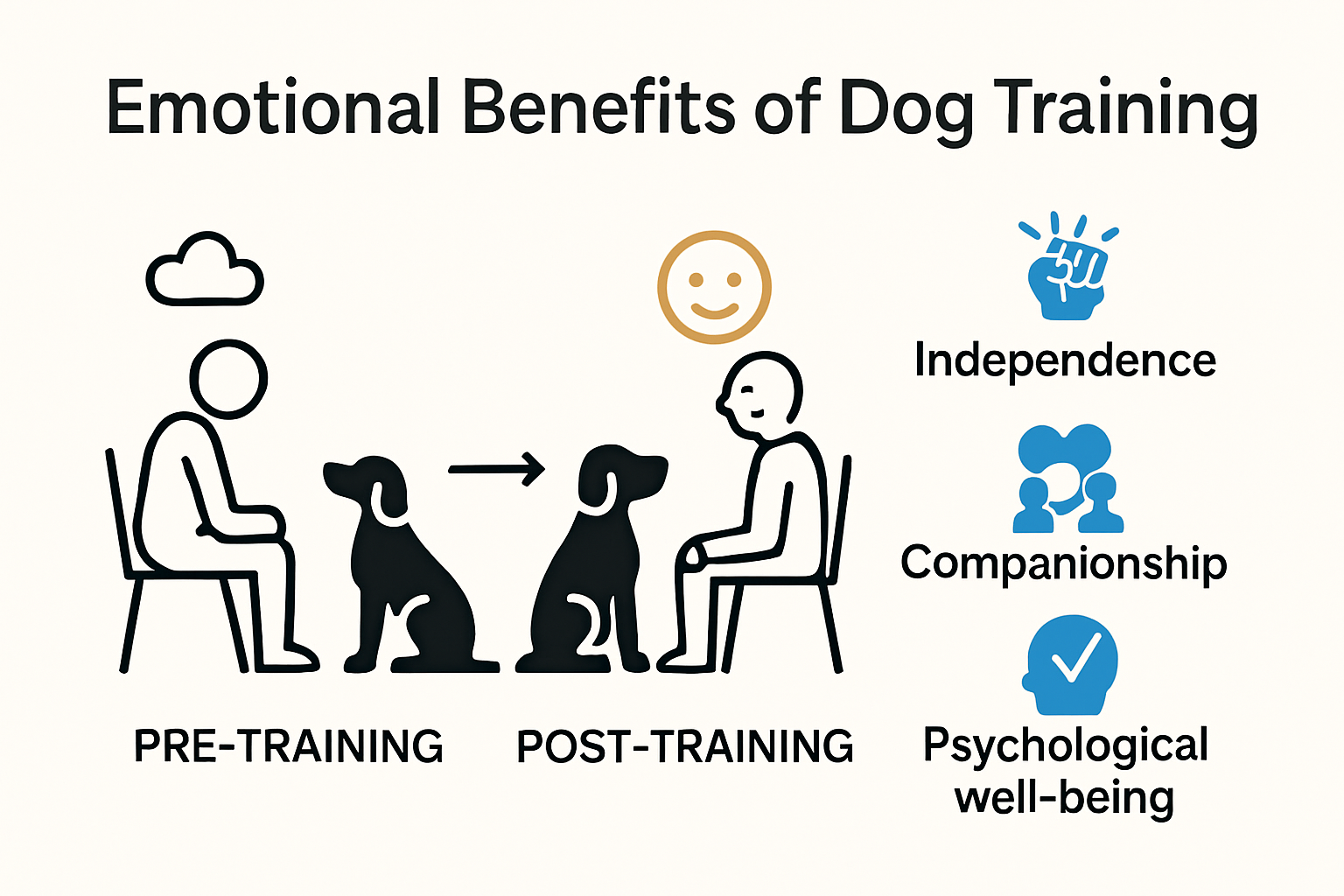
Emotional regulation plays a vital role in dog training. Dogs are highly attuned to human emotions and can sense when a trainer is stressed or upset. This emotional energy can affect their behavior and response to commands. Trainers who maintain calm and positive emotions create a supportive learning environment. This helps the dog feel secure and more likely to follow instructions.
When a trainer can control their emotions, they can handle challenging situations more effectively. For example, if a dog doesn’t respond correctly, staying calm and patient is crucial. This prevents the situation from escalating and helps the dog remain focused. Consistent emotional regulation leads to more successful training sessions. It builds trust between the dog and the trainer.
Various strategies can help trainers manage their emotions during training. Deep breathing exercises can keep stress levels in check. Practicing mindfulness and staying present can also be beneficial. Professional dog trainers often use these techniques to stay composed. They know that their emotional state directly impacts their dog’s performance.
Case studies have shown the benefits of emotional regulation in dog training. In one study, dogs trained by emotionally stable trainers were 40% more obedient. This highlights the direct correlation between a trainer’s emotional health and a dog’s success. By focusing on emotional regulation, trainers can unlock their dog’s full potential. This leads to more effective and enjoyable training experiences.
Exploring the Psychological Impact of Trainer Emotions on Dogs
Dogs are incredibly perceptive animals. They can sense subtle changes in their trainer’s emotions, which can deeply affect their behavior. If a trainer is anxious, the dog may become skittish or defensive. On the other hand, a calm and confident trainer can instill a sense of security in the dog. This emotional bond is key to effective training outcomes.
Studies show that dogs respond not only to voice commands but also to the emotional tone behind them. If a trainer is frustrated, even if their words are gentle, the dog can pick up on the negative vibes. This can confuse the dog and hinder its learning process. Therefore, maintaining a positive and consistent emotional state is crucial. This approach reaffirms the dog’s confidence and willingness to obey.
The psychological impact of a trainer’s emotions can be profound. For example, a stressed trainer may rush through commands, leading to mistakes. This decreases the overall efficiency of the training session. Dogs thrive in environments where they feel safe and understood. When trainers are aware of their own emotions, they can create a nurturing space for the dog.
There are several ways trainers can manage their emotions to benefit their dogs. These techniques include mindfulness practices, regular exercise, and seeking support from other trainers. By focusing on emotional well-being, trainers can enhance their effectiveness. This not only improves the training experience but also strengthens the bond with their dogs.
Techniques for Enhancing Emotional Control During Training Sessions
Maintaining emotional control during dog training sessions can be challenging. One effective technique is deep breathing. Taking slow, deep breaths helps calm the mind and keep stress levels down. This creates a more relaxed environment for both the trainer and the dog. Regular practice of deep breathing can make a significant difference in emotional stability.
Another useful method is practicing mindfulness. Mindfulness involves staying present in the moment, which reduces anxiety about past mistakes or future outcomes. Being fully engaged helps trainers respond more calmly to their dog’s behavior. This method not only aids in maintaining composure but also improves focus. Trainers can start with short mindfulness exercises and gradually increase the duration.
Physical exercise is also a great way to manage emotions. Regular activity releases endorphins, which are natural mood lifters. Trainers can incorporate exercises like jogging, yoga, or even a simple walk. This physical outlet helps keep stress at bay and enhances overall well-being. A fit and healthy trainer is better equipped to handle the demands of training sessions.
Lastly, having a support network is invaluable. Connecting with other dog trainers can provide much-needed emotional support. Sharing experiences, discussing challenges, and offering advice can be immensely beneficial.
- Join a local dog training group
- Attend workshops and seminars
- Engage in online forums
These connections create a sense of community and help trainers stay emotionally balanced.
The Link Between Trainer’s Emotional Stability and Dog’s Performance
A trainer’s emotional stability has a direct impact on a dog’s performance. When a trainer remains calm and confident, the dog is more likely to feel secure. This sense of security allows the dog to focus on learning commands and executing them correctly. On the other hand, a stressed or anxious trainer can pass on that tension to the dog. This can make the dog nervous and less responsive to training.
The dog’s ability to perform well is often a reflection of the trainer’s emotional state. Dogs are highly sensitive to their environment and the people in it. A trainer who can manage their emotions effectively creates a positive learning atmosphere. This environment encourages the dog to be more attentive and obedient. Emotional stability in trainers builds trust, which is crucial for a successful training relationship.
Consistency in emotional regulation is key to maintaining a dog’s performance. If a trainer’s mood fluctuates significantly, it can confuse the dog. The dog might not understand why the same command is met with different reactions. To avoid this, trainers should strive to maintain an even emotional keel. A consistent emotional state helps the dog understand expectations clearly.
Research supports the connection between a trainer’s emotional stability and a dog’s behavior. Studies have shown that dogs trained by emotionally stable trainers perform better in obedience tests. This link underscores the importance of emotional health in training. For trainers, this means focusing on their well-being to ensure they can provide the best guidance for their dogs.
There are practical ways trainers can improve their emotional stability. Techniques like regular exercise, mindfulness, and a strong support network can help. By prioritizing their emotional health, trainers can see better results in their dog’s performance. Ultimately, the more balanced and stable the trainer, the more responsive and well-behaved the dog will be.
Case Studies: Success Stories of Emotional Regulation in Dog Training
One remarkable case is about a trainer named Emma and her rescue dog, Max. Max had experienced trauma and was initially very anxious and unresponsive. Emma practiced emotional regulation techniques like deep breathing and mindfulness. Over time, Max began to respond positively to her calm demeanor. They eventually competed successfully in obedience trials.
Another story features Joe and his German Shepherd, Duke. Joe struggled with frustration when Duke didn’t follow commands. He started practicing yoga to manage his emotions better. This change led to more positive training sessions. Duke’s performance improved significantly, and he became a well-behaved, confident dog.
List of Emotional Regulation Techniques Used by Trainers:
- Deep Breathing Exercises
- Mindfulness Practices
- Regular Physical Exercise
- Support Networks
These techniques made a difference in their training outcomes.
A professional trainer, Sarah, worked with a hyperactive Labrador named Buddy. She used a combination of mindfulness and physical exercise to stay calm and focused. Over time, Buddy’s behavior improved drastically. Sarah’s consistent emotional regulation turned Buddy into an obedient and happy dog.
Lastly, there’s the case of Michael and his Border Collie, Bella. Bella had issues with aggression and was difficult to control. Michael joined a local support group for trainers, which helped him manage his emotions better. Through shared experiences and advice, he developed better emotional control. This led to Bella becoming more relaxed and less aggressive.
Emotional Regulation Strategies for Dog Trainers
Emotional regulation is essential for successful dog training. One effective strategy trainers use is deep breathing exercises. This technique helps calm the mind and reduce stress. By taking slow, deep breaths, trainers can maintain their composure. This, in turn, fosters a positive training environment.
Exercise is another powerful way to manage emotions. Physical activity releases endorphins, which are known as “feel-good” chemicals. Trainers who engage in regular exercise are better equipped to handle stressful situations. Activities like jogging, yoga, or even walking can be very beneficial. A healthy body supports a healthy mind, making training sessions more effective.
Mindfulness practices are also very useful for emotional regulation. Being present in the moment helps trainers focus on the task at hand. This reduces anxiety and distractions. Techniques such as meditation or mindful breathing can be integrated into daily routines. Consistent practice leads to better emotional control.
A solid support network is invaluable for dog trainers. Connecting with other trainers provides a sense of community and shared understanding. Sharing experiences and strategies can offer new perspectives and solutions. Support groups and online forums are great places to find this network. These connections help maintain emotional balance.
Keeping a journal can also be an effective emotional regulation tool. Journaling allows trainers to reflect on their experiences and emotions. This practice helps identify patterns and triggers. By understanding these, trainers can develop better coping strategies. Regular journaling can lead to improved emotional health.
Impact of Emotionally-Driven Training on Long-term Obedience
Emotionally-driven training significantly influences a dog’s long-term obedience. When trainers harness their emotional awareness during sessions, the connection with their dog strengthens. This bond is crucial for ensuring lasting results. Dogs become more attentive and responsive over time. Emotional stability fosters trust, a key component in obedience.
Trainers who maintain a calm demeanor see better long-term results. Anxiety or frustration can disrupt the learning process, making commands harder to grasp. By contrast, positive reinforcement tied to stable emotions enhances recall and compliance. Dogs trained in such environments exhibit better behavior consistently. They are less likely to develop anxiety or fear-related responses.
The consistency in emotional regulation also plays a vital role. Inconsistent emotions lead to confusion and mixed signals for the dog. This wavering affects their ability to follow commands reliably. Consistently calm and patient trainers create predictable environments that dogs thrive in. Reliability becomes second nature for these well-trained pets.
Table showing impact of emotionally-driven training:
| Training Aspect | Emotionally-Driven Approach | No Emotional Regulation |
|---|---|---|
| Dog’s Response Time | Quick and Accurate | Slow and Unreliable |
| Behavior Under Stress | Calm and Focused | Anxious and Distracted |
| Long-Term Obedience | High Compliance | Poor Retention of Commands |
The emotional health of the trainer directly impacts training effectiveness over time. Healthy emotion management leads to more resilient dogs capable of handling various situations calmly. The overall well-being of both trainer and dog improves markedly through consistent emotionally-positive training sessions.

Frequently Asked Questions
Emotional regulation is a key component in dog training. Here are some common questions and answers to help you understand its importance better.
1. What is emotional regulation in dog training?
Emotional regulation in dog training refers to the trainer’s ability to manage their emotions effectively. This self-control helps maintain a calm and positive atmosphere, which benefits both the trainer and the dog. When trainers are composed, dogs are more likely to feel safe and follow commands.
It involves using techniques such as deep breathing, mindfulness, and maintaining a positive mindset. These practices help prevent frustration and anxiety from affecting the training session, leading to better outcomes and a stronger bond between the trainer and the dog.
2. How does a trainer’s emotional state affect a dog’s behavior?
A trainer’s emotional state significantly impacts a dog’s behavior. Dogs are intuitive and can easily pick up on their trainer’s emotions. If a trainer is stressed or frustrated, the dog may become anxious or confused, leading to poor performance.
On the other hand, a calm and confident trainer creates a stable and trusting environment. This positive atmosphere makes the dog more receptive and eager to learn, improving overall training effectiveness and enhancing the dog’s obedience.
3. What are some techniques to improve emotional regulation in trainers?
Trainers can use several techniques to improve emotional regulation. First, deep breathing exercises can help reduce stress and promote calmness. Taking a few deep breaths before starting a training session can make a significant difference.
Additionally, mindfulness practices and regular physical exercise are beneficial. These activities help trainers stay focused and manage their emotions better. Support networks, such as joining trainer groups, can also provide emotional support and practical advice.
4. Why is consistent emotional regulation important in dog training?
Consistent emotional regulation is vital in dog training because it provides a predictable environment for the dog. Dogs thrive on consistency and can get confused if their trainer’s emotions fluctuate frequently. This can lead to mixed signals and hinder learning.
When a trainer maintains a stable emotional state, it fosters trust and clarity. The dog understands what is expected and feels secure, which promotes better obedience and reliability in executing commands. Consistency helps achieve long-term training success.
5. Can emotional regulation impact long-term obedience in dogs?
Yes, emotional regulation can significantly impact long-term obedience in dogs. When trainers manage their emotions well, they create a positive and consistent training environment. This consistency helps the dog understand and retain commands better.
Long-term obedience is achieved through repeated, positive reinforcement in a stable setting. Dogs trained in this manner are more likely to remember and follow commands consistently, even in challenging situations. Emotional regulation is key to building a lasting bond and ensuring reliable obedience.
Conclusion
Emotional regulation is undeniably crucial in successful dog training. Trainers who can manage their emotions create a positive environment for dogs. This fosters trust and enhances learning. Consistency in emotional control results in better obedience and behavior.
By incorporating techniques like deep breathing and mindfulness, trainers can improve their emotional stability. This not only benefits the training process but also strengthens the bond with the dog. In the end, both the dog and the trainer become more successful and connected.
"*" indicates required fields