The Role Of Reinforcement In Group Dog Training Classes
Can you guess the secret behind the well-behaved canine you saw in the park? It’s highly probable that dog benefited from structured group training classes where reinforcement plays a pivotal role. In structured settings, behaviors are shaped and honed using consistent positive reinforcement techniques, creating an environment where dogs learn from each other.
Interestingly, the concept of reinforcement in training isn’t new; it dates back to B.F. Skinner’s experiments on operant conditioning. Today, 95% of dog trainers utilize positive reinforcement methods, such as treats or praise, to encourage desirable behaviors. This approach not only strengthens the human-animal bond but also expedites the learning process within group settings by creating a positive and cohesive atmosphere.

The Role of Reinforcement in Group Dog Training Classes
Reinforcement is crucial in group dog training classes, as it helps shape a dog’s behavior. Trainers use positive reinforcement methods, such as treats and praise, to reward desirable actions. This motivates dogs to repeat these behaviors and learn new commands. In group settings, dogs can also observe and learn from each other’s successes, making the training process more efficient. This creates a dynamic learning environment where all dogs can thrive.
Understanding the basics of reinforcement is key to effective training. Positive reinforcement is the most common approach, focusing on rewarding the dog for good behavior. This technique contrasts with negative reinforcement, which involves removing an unpleasant stimulus when the dog performs a desired action. In group classes, positive reinforcement helps build a strong, positive relationship between the trainer and the dogs. It also ensures that training sessions are enjoyable and stress-free for everyone involved.
One of the major benefits of reinforcement in group dog training classes is increased socialization. Dogs not only learn new commands but also get used to being around other dogs and people. This is particularly beneficial for puppies, as early socialization helps prevent behavior problems later in life. Positive reinforcement practices also help boost the dogs’ confidence, making them more likely to succeed in future training sessions. Group interactions create a supportive environment that encourages continuous learning.
However, group training comes with its own set of challenges. Distractions are more frequent, making it difficult for some dogs to focus. Trainers must navigate these obstacles by maintaining consistent and effective reinforcement strategies. A mix of patience, clear communication, and tailored reinforcement techniques can make a significant difference. Utilizing a variety of rewards, such as toys or verbal praise, can keep dogs engaged and responsive during classes. This flexible approach ensures that each dog receives the support they need to succeed.
Understanding the Basics of Reinforcement
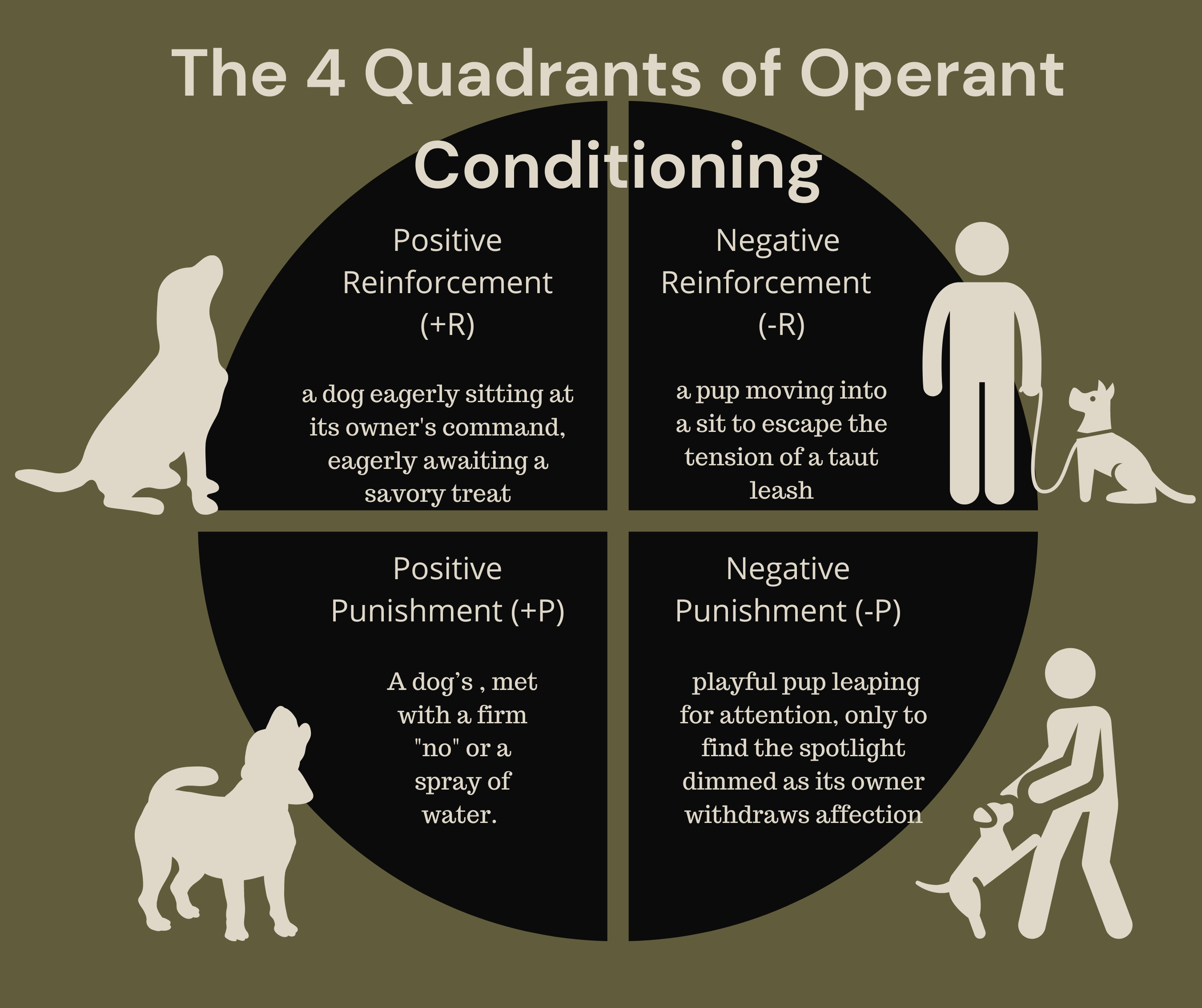
Reinforcement in dog training is a technique used to encourage desired behaviors. There are two main types of reinforcement: positive and negative. Positive reinforcement involves rewarding a dog with treats, praise, or toys when they perform a desired action. Negative reinforcement, on the other hand, involves removing an unpleasant stimulus when the dog does something right. Both methods aim to increase the likelihood of the behavior being repeated.
Positive reinforcement is widely preferred in dog training. It helps create a trusting and enjoyable learning environment. Dogs are more motivated to learn when they are rewarded for good behavior. This method is not only effective but also humane. It strengthens the bond between the dog and the trainer or owner.
In contrast, negative reinforcement can sometimes lead to confusion and stress for the dog. While it can be effective in some cases, it is often less desirable than positive reinforcement. Most experts recommend using positive reinforcement whenever possible. This approach promotes a healthier, happier relationship with the dog. It also makes the training process more enjoyable for both parties.
Understanding when and how to use reinforcement is essential for successful dog training. Timing is crucial; the reward or removal of the negative stimulus must occur immediately after the desired behavior. Consistency is also key. If the reinforcement is not consistent, the dog may become confused. Using a combination of verbal praise and physical rewards can enhance the effectiveness of the training. This balanced approach ensures that the dog understands what is expected and is eager to comply.
Types of Reinforcement Used in Dog Training
In dog training, different types of reinforcement are used to shape behavior. The most common type is positive reinforcement, which involves giving a reward, such as treats, praise, or toys. This method is popular because it rewards the dog for doing something right, making it more likely they’ll repeat the behavior. Trainers often use a clicker to signal the exact moment the dog performs the desired action. This helps the dog understand what earned them the reward.
Negative reinforcement, although less common, is another method. It involves the removal of an unpleasant stimulus when the dog performs the correct behavior. For example, stopping a light pull on the leash when the dog walks beside you. This method can be effective in specific situations but should be used carefully. Dogs may become stressed if negative reinforcement is applied too frequently.
Another type of reinforcement is variable reinforcement. This method involves rewarding the dog at irregular intervals, rather than every time they perform the desired action. Variable reinforcement can be highly effective because it keeps the dog guessing when the next reward will come. This encourages them to keep repeating the behavior. It’s similar to how slot machines keep people playing.
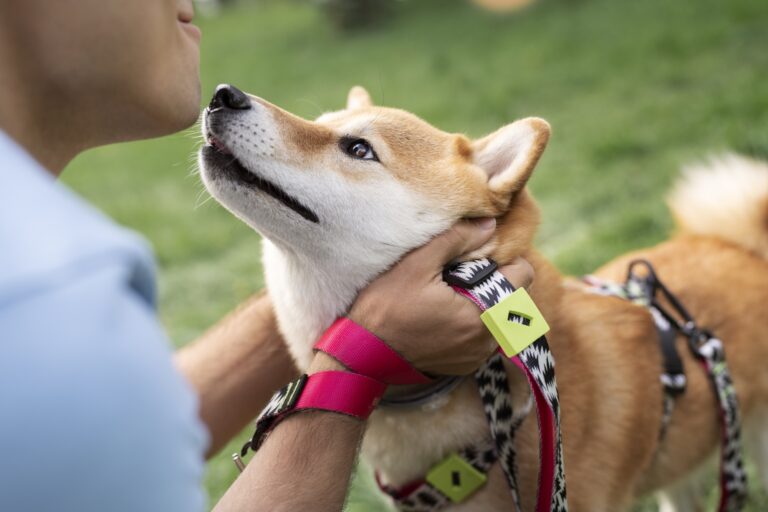
Lastly, there’s social reinforcement, which uses attention and interaction as rewards. Engaging with your dog through petting, playing, or verbal praise can be very motivating. Dogs are social animals and often respond well to this type of reinforcement. This method also strengthens the bond between the dog and the trainer or owner. Utilizing a mix of these reinforcement types can make training sessions more effective and enjoyable.
Benefits of Positive Reinforcement in Group Settings
Positive reinforcement in group dog training settings offers various advantages. One significant benefit is the enhanced socialization opportunities for dogs. Being around other dogs and people helps them become more comfortable in different environments. This type of socialization is crucial for reducing anxiety and aggression in dogs. It also prepares them for situations they may encounter in daily life.
In addition to socialization, positive reinforcement helps improve focus and obedience. Dogs are more likely to pay attention and follow commands when they know a reward is coming. This creates a more enjoyable training experience for both the dogs and their owners. It also helps trainers manage a group of dogs more efficiently. Rewards serve as a great motivator, ensuring all dogs stay engaged during the session.
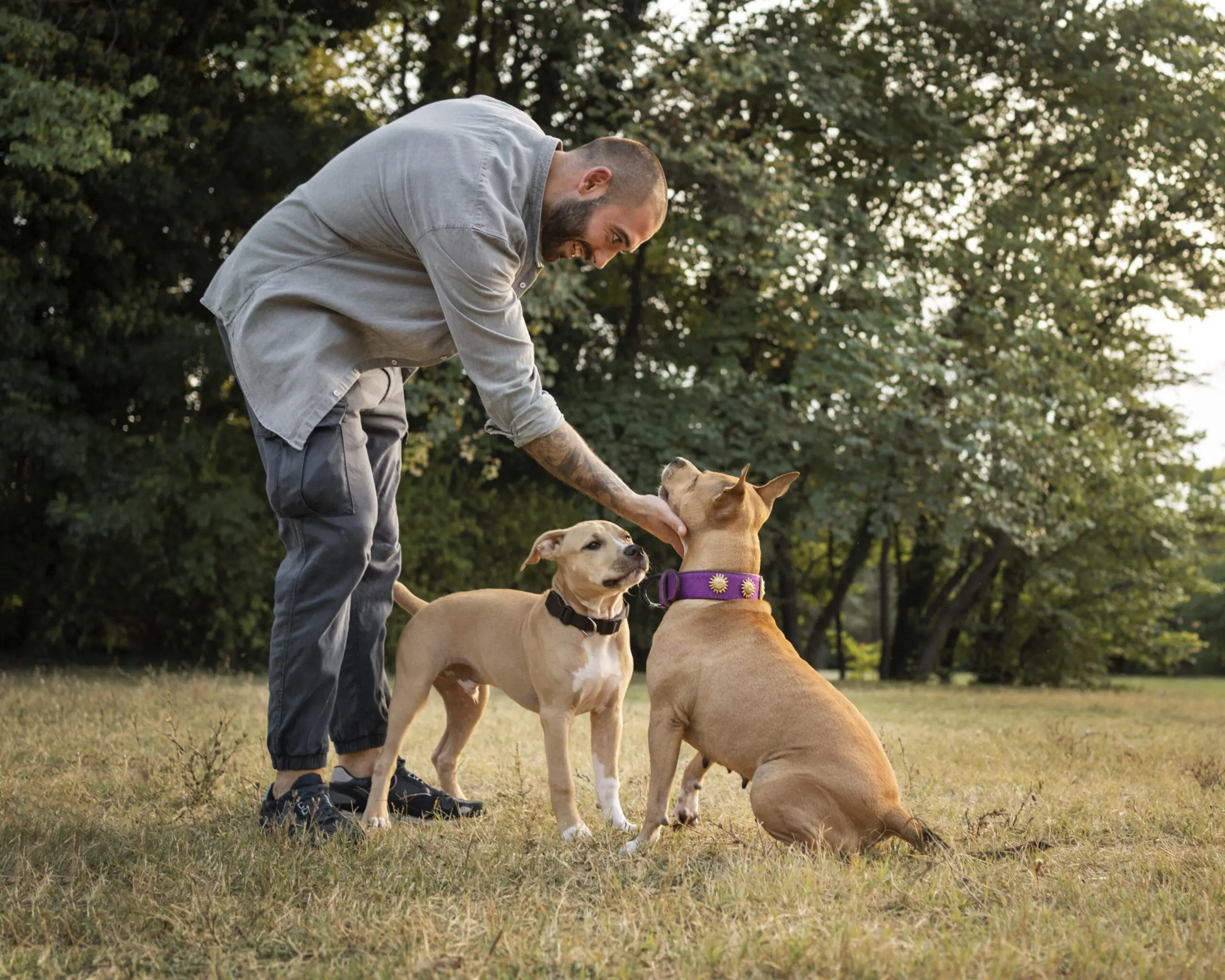
Positive reinforcement also builds a stronger bond between the trainer and the dog. Treats, praise, and affection make the training process enjoyable. This bond is essential for long-term success and collaboration. When dogs trust and respect their trainers, they’re more willing to learn and respond to commands. This positive relationship extends beyond training sessions into everyday interactions.
Another benefit is the quicker learning curve. When dogs are consistently rewarded for good behavior, they tend to learn new commands faster. This is especially beneficial in a group setting where time and resources may be limited. Training classes can cover more material in a shorter period. This means more efficient and effective training for all participants.
Additionally, positive reinforcement promotes a positive atmosphere in group classes. The presence of rewards and encouragement can reduce stress and frustration for both dogs and trainers. This makes the training environment more enjoyable and productive. A relaxed setting allows for better learning and retention of new skills. Everyone involved in the class can benefit from this uplifting, engaging environment.
Finally, incorporating positive reinforcement in group settings can lead to better behavioral outcomes. Dogs are less likely to develop negative behaviors when they are positively motivated. Consistent rewards help reinforce good habits and make them more long-lasting. This encourages a well-behaved, confident dog who can thrive in various situations. The overall success of the training program improves with these positive techniques.
Challenges and Solutions for Reinforcement in Group Classes
One major challenge in group dog training classes is managing distractions. In a group setting, dogs can get easily distracted by each other. This makes it difficult for them to focus on the trainer’s commands. To address this, trainers can use high-value rewards that are more enticing than the distractions. Consistent repetition of commands can also help improve focus over time.
Different learning speeds among dogs present another challenge. While some dogs quickly grasp new commands, others may take longer. Trainers need to be patient and tailor their approach to each dog’s pace. Breaking down commands into smaller steps can make learning easier for slower dogs. This way, no dog feels left behind, and everyone progresses together.
Group classes can sometimes lead to competitive behavior among dogs. This may hinder the overall learning experience. Trainers can mitigate this by creating a structured environment where each dog gets individual attention. Using markers like mats or cones can help define personal spaces for each dog. This reduces competition and promotes a sense of order.
Another challenge is ensuring consistency in reinforcement. Inconsistent rewards can confuse dogs and slow down progress. Trainers should develop a clear plan for consistent reinforcement. This includes using the same verbal cues and rewards for specific behaviors. Consistency helps dogs understand expectations and speeds up the training process.
Handling different temperaments within a class can be tricky. Some dogs may be more anxious or aggressive than others. Trainers need to recognize these individual differences and adapt their methods accordingly. Using calming techniques for anxious dogs and extra supervision for aggressive ones can help. This ensures that all dogs can participate successfully.
Engaging both the dogs and their owners can also be a challenge. Owners need to understand the reinforcement techniques and apply them at home. Providing clear instructions and demonstrations during classes can help. Encouraging owners to practice regularly with their dogs reinforces learning. This creates a well-rounded training experience both during and outside of class.
Real-World Success Stories of Reinforcement in Dog Training
One famous success story involves a dog named Lucy, who had severe anxiety around other dogs. Lucy’s trainer used positive reinforcement to help her overcome her fears. By rewarding calm behavior with treats and praise, Lucy gradually became more comfortable. Over time, she transformed into a confident dog who could participate in group classes. Her progress was celebrated by everyone in the training program.
Another inspiring example is Max, a rescue dog with a history of aggressive behavior. His trainers applied a consistent and patient approach using positive reinforcement. They rewarded Max for showing calm and friendly behaviors with treats and petting. Within months, Max’s aggression significantly decreased. He eventually became a well-mannered dog who could socialize with other dogs and people.
Positive reinforcement also worked wonders for Bella, a hyperactive puppy. Her owners were struggling with her boundless energy and lack of focus. By using a clicker and treats, the trainers taught Bella basic commands and good manners. The consistent positive reinforcement helped Bella learn quickly. She soon became more attentive and responsive, much to the delight of her owners.
Here are some additional success stories:
- Rex, a shy dog, gained confidence through positive interactions and rewards, enabling him to participate in group activities.
- Lola, previously unable to walk on a leash, learned this essential skill using treats and praise during her training sessions.
- Charlie, who had trouble with recall commands, became reliable after consistent reinforcement practices in training classes.
These real-world examples highlight the transformative power of positive reinforcement in dog training. Each dog’s journey demonstrates how tailored reinforcement strategies can lead to significant improvements. These success stories inspire and motivate trainers and pet owners alike. Positive reinforcement proves to be a powerful tool in shaping well-behaved, happy dogs.
Frequently Asked Questions
Here are some common questions about reinforcement in group dog training classes. These FAQs cover methods, benefits, and success stories to help trainers and pet owners understand its importance.
1. How does positive reinforcement enhance dog training results?
Positive reinforcement helps dogs learn by associating desired behaviors with rewards. This makes them more likely to repeat these behaviors, leading to faster and more effective training outcomes. Treats, toys, and praise can be used as rewards, creating a positive and motivating learning environment.
By using positive reinforcement, trainers can build a strong bond with the dog. This method encourages trust and cooperation, making the training process enjoyable for both the dog and the trainer. Continued positive reinforcement helps dogs develop good habits and reduces the likelihood of undesirable behaviors.
2. What are some common challenges in group dog training classes?
Distractions within the group setting can be a significant challenge. Dogs might find it hard to focus on commands due to other dogs and noises. Maintaining the dogs’ attention requires patience and consistent training techniques.
Another challenge is managing different learning speeds and temperaments. Some dogs may learn faster or have different behavioral issues. Trainers need to tailor their approaches to accommodate individual needs while ensuring the group progresses together.
3. Can reinforcement techniques work for all dog breeds?
Yes, reinforcement techniques can work for all dog breeds. The key is to find what motivates each specific dog. Some dogs may respond better to treats, while others may prefer toys or praise. Understanding the dog’s preferences can enhance the effectiveness of the reinforcement.
Different breeds may have varying levels of energy and attention spans, but reinforcement techniques can be adapted accordingly. Consistent and patient application of these methods can yield positive results across different breeds. Tailoring the training to the breed’s unique characteristics can also speed up the learning process.
4. Why is socialization important in group dog training?
Socialization in group dog training helps dogs become comfortable around other dogs and people. This reduces fear and aggression, making them well-rounded and adaptable. Early socialization is crucial for puppies to develop positive behaviors and prevent future issues.
Group settings provide controlled environments where dogs can interact under supervision. Positive reinforcement in these settings encourages good behavior and helps dogs learn to communicate effectively. This makes socialization a key component in the overall training process.
5. How can trainers ensure consistency in reinforcement?
Consistency in reinforcement is essential for effective learning. Trainers should use the same verbal cues and rewards for specific behaviors. Clear and consistent commands help dogs understand what is expected of them, reducing confusion.
It is also important to reinforce desired behaviors immediately. This helps dogs associate the reward with the behavior. Working closely with the dog’s owner to ensure reinforcement techniques are practiced at home can further enhance consistency and learning outcomes.
How Do Group Obedience Classes Work
Conclusion
Reinforcement plays a pivotal role in group dog training classes, offering numerous benefits such as improved socialization and quicker learning. Positive reinforcement methods like treats and praise help foster trust and cooperation between dogs and their trainers. This approach not only makes training sessions more effective but also enjoyable for everyone involved.
While challenges exist, such as managing distractions and varying learning speeds, tailored reinforcement strategies can address these issues. Consistency and patience are key to overcoming obstacles and achieving successful outcomes. Ultimately, reinforcement techniques create well-mannered, confident dogs ready to thrive in different environments.
"*" indicates required fields