How Training Builds Mutual Respect Between Dog And Owner
A staggering fact about canine companionship is that dogs can understand up to 250 words and gestures, which highlights the potential for effective communication through training. Such a connection is not only beneficial for obedience but essential for building mutual respect. A well-trained dog is a reflection of a patient and consistent owner, creating a harmonious living environment.
Historically, the domestication of dogs has been a process of developing mutual understanding and cooperation. Statistics show that 67% of pet owners believe training has improved their relationship with their dog. This undeniable connection formed through training fosters trust and respect, key elements to a strong owner-dog relationship. Mutual respect in training also reduces behavioral issues, creating a positive experience for both.
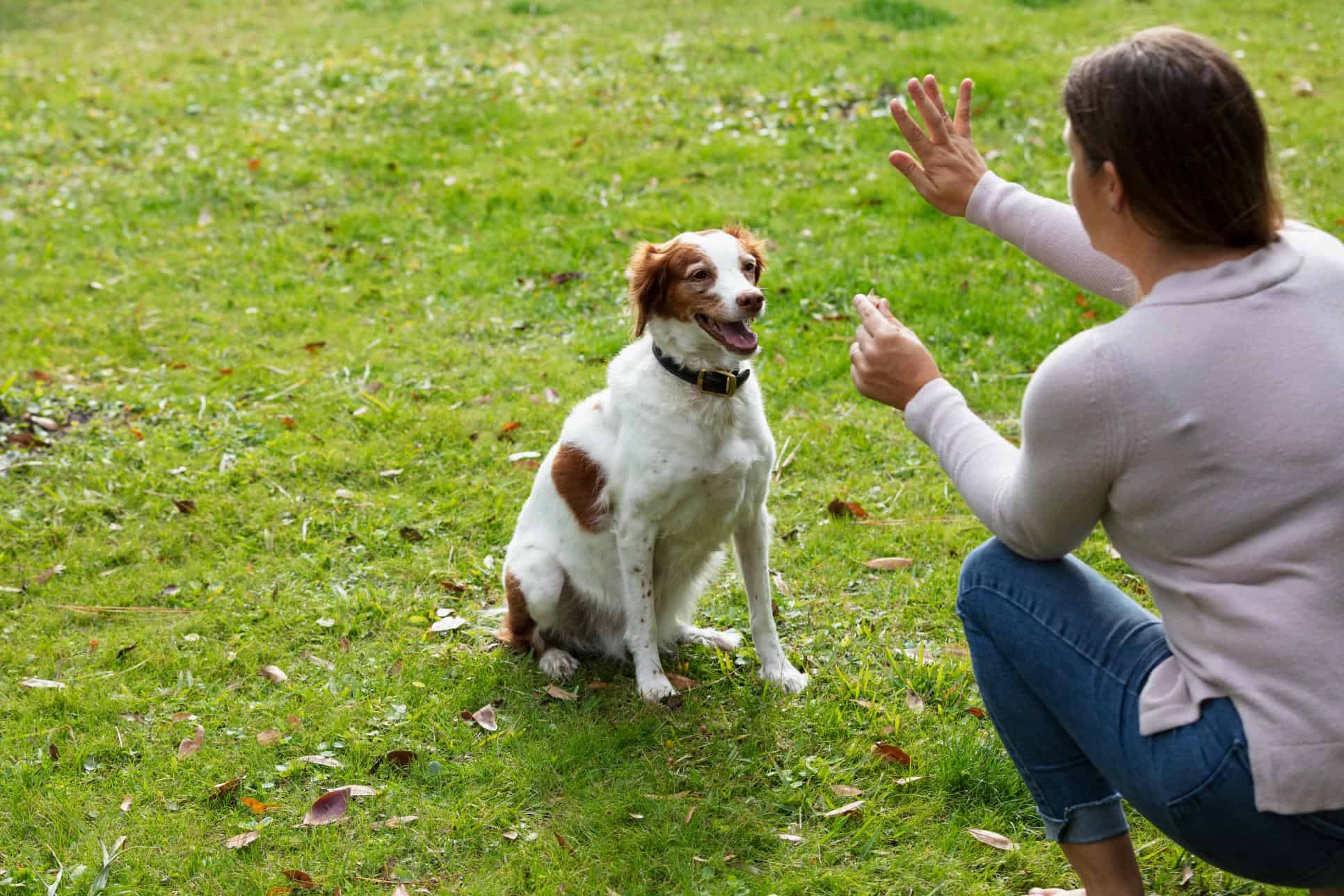
The Essential Role of Training in Establishing Respect
Training is fundamental in building respect between a dog and its owner. By consistently training your dog, you set clear expectations and boundaries. This clarity helps your dog understand what behaviors are acceptable. It also helps you recognize and appreciate your dog’s capabilities. Respect grows as both parties learn to trust each other.
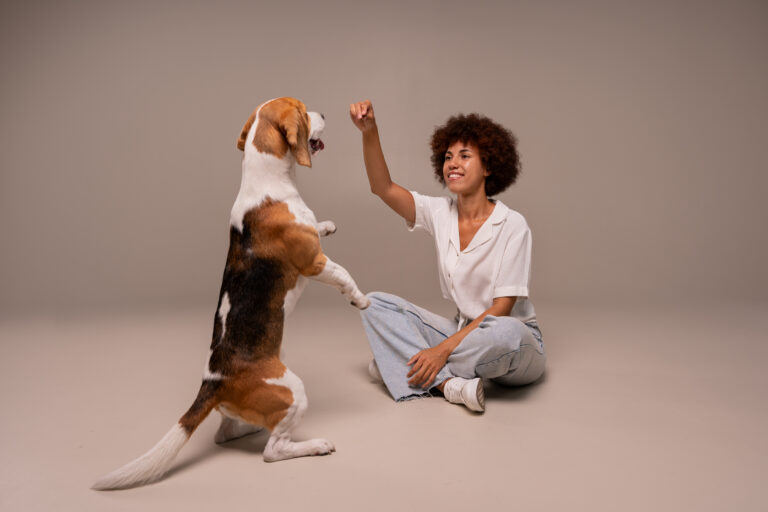
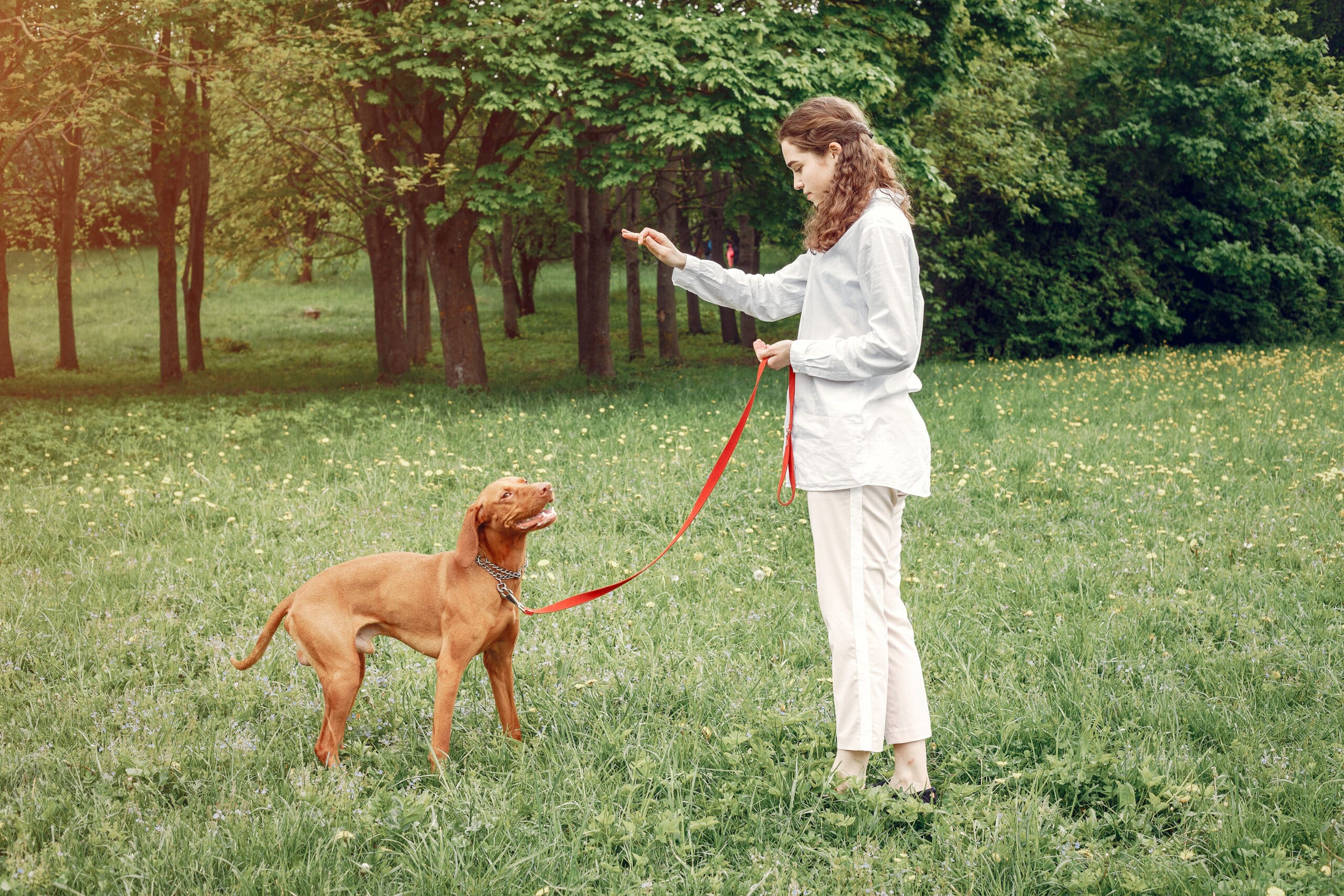
Effective training techniques, like positive reinforcement, can greatly enhance mutual respect. When a dog is rewarded for good behavior, it feels appreciated and understood. These rewards could be treats, praise, or playtime. The bond strengthens with each successful command followed. Consistency is key in reinforcing these positive behaviors.
Additionally, achieving milestones in training creates a sense of accomplishment. Celebrating these milestones together can be a bonding experience. Both the dog and the owner feel proud of their progress. This shared experience fosters deeper connection and mutual respect. It’s these moments that make the effort worthwhile.
Training also shapes behavior through a feedback loop. Dogs learn from the consequences of their actions. Positive outcomes encourage repeat behaviors, while negative outcomes deter undesirable actions. This ongoing learning process builds trust and understanding. Ultimately, training reinforces respect in a continuous, evolving relationship.
The psychology behind mutual respect through training
The psychology of building mutual respect through training is deeply rooted in communication. Dogs, like humans, thrive on clear and consistent messages. When a dog receives consistent cues and reinforcements, it understands what is expected. This clear communication fosters trust. Trust is the foundation of respect.
Training sessions also establish a hierarchy within the relationship. Dogs are pack animals by nature and respond well to a structured environment. When the owner takes the lead, the dog feels secure and respects this role. This respect is reciprocated when the owner shows understanding and patience. Mutual respect emerges from this balance of leadership and empathy.
Positive reinforcement plays a crucial role in this dynamic. Reward-based training encourages dogs to repeat desired behaviors. Every treat, praise, or pat on the back solidifies the bond. This positive interaction makes the dog feel valued and acknowledged. Respect grows as the dog recognizes the owner’s approval.
Beyond training, understanding a dog’s body language enhances communication. Dogs express their feelings through actions like wagging tails or growling. Recognizing these signs helps owners respond appropriately. This attentive response builds a deeper level of respect. Mutual respect thrives when both parties understand and meet each other’s needs.
Techniques that enhance learning and respect mutually
Clicker training is one effective technique that enhances mutual learning and respect. It uses a small device that makes a clicking sound to mark a desired behavior. Every click is followed by a reward, helping the dog associate the sound with positive outcomes. This method is simple yet powerful. The clear, consistent feedback allows the dog to understand and respect the commands.
Another technique involves using verbal praise and gentle touches. Dogs respond well to their owner’s voice and physical affection. Hearing a kind word or feeling a gentle pat can reinforce good behavior. This verbal and physical affirmation creates a loving bond. Such interactions teach dogs that respect is a two-way street.
Structured playtime is also essential. It allows dogs to learn through fun and engaging activities. Games like fetch or hide and seek can be both educational and enjoyable. They teach commands, patience, and teamwork. Respect is built as the dog learns to follow rules and enjoy the process.
Consistency is crucial in any training technique. Repeating the same commands and rewards helps the dog learn better. Inconsistency can confuse the dog and hinder learning. A consistent approach fosters trust. Trust leads to lasting respect between dog and owner.
Celebrating milestones together strengthens bonds
Recognizing and celebrating milestones in training plays a crucial role in strengthening the bond between a dog and its owner. Achievements, no matter how small, should be acknowledged with enthusiasm. This acknowledgment makes the dog feel valued and understood. The shared joy creates positive memories. These experiences serve as building blocks for a deeper connection.
Celebrations can take many forms, from treats to extra playtime. Offering a special treat can be a delightful surprise for your dog. You can also plan an extra-long walk or a fun outing. The key is to make the celebration meaningful. Such recognitions reinforce positive behavior and build trust.
Creating a milestone chart can also be motivational. Use a simple table to track progress and celebrate when targets are achieved.
| Milestone | Achievement |
|---|---|
| Sit Command | Perfect on first try |
| Recall | Comes instantly |
| Stay | Holds for over a minute |
Engaging in celebratory activities alongside your dog helps in understanding each other better. Participating in games and exercises strengthens teamwork. Activities that require interaction, such as agility courses, can deepen the bond. Working together towards a common goal creates a sense of achievement. This collaboration builds mutual respect and affection.
Moreover, celebrating milestones isn’t just beneficial for dogs; it also boosts owner morale. Seeing the fruits of consistent training can be incredibly rewarding. It encourages continued effort and patience. Together, both dog and owner enjoy the journey of learning and growing. These celebrations mark the progress of a flourishing partnership.
The feedback loop: How reinforcement shapes behavior
Positive reinforcement is a powerful tool in shaping a dog’s behavior. It works by rewarding the dog for desired actions, encouraging them to repeat those behaviors. Rewards can range from treats to praise, or even playtime. This technique builds a strong feedback loop. The dog learns to associate positive outcomes with specific behaviors.
The timing of rewards is crucial in making positive reinforcement effective. Immediate rewards help the dog understand which behavior is being praised. Delayed rewards can cause confusion, making the dog uncertain about what action was correct. Consistency in timing helps in faster learning. It reinforces the connection between action and reward.
Negative reinforcement can also be part of the feedback loop. Removing an unpleasant stimulus when the dog performs the desired action can teach restraint. For example, stopping a loud noise when the dog stops barking. This technique should be used carefully. Overuse can lead to stress and anxiety in the dog.
A well-structured table can help track progress and identify which reinforcements work best.
| Behavior | Positive Reinforcement | Negative Reinforcement |
|---|---|---|
| Sit | Treat | Stop tugging leash |
| Stay | Praise | Silent command |
| Come | Playtime | Remove barrier |
Consistency is key in maintaining an effective feedback loop. Regular training sessions reinforce the learning process. Sticking to a schedule helps in keeping the reinforcement predictable. Both dog and owner benefit from the routine. This consistency strengthens mutual understanding and respect.
Reinforcement also shapes long-term behavior by creating habits. Dogs thrive on routine and predictability. Over time, the reinforced behaviors become second nature to the dog. This habit formation ensures that good behavior is maintained. Consequently, a well-trained dog is a happy, respected member of the household.
Behavioral Benefits of Regular Training Sessions
Regular training sessions bring numerous behavioral benefits to dogs. Consistent training helps in building structure and routine. This routine reduces anxiety, as dogs know what to expect. They become more relaxed and content. A well-trained dog adapts better to new situations.
Improved obedience is another significant benefit. Training sessions teach dogs to follow commands reliably. This obedience is crucial in ensuring the dog’s safety. For example, commands like “stay” or “come” can prevent accidents. Obedience also makes daily interactions easier.
Behavioral issues such as aggression or excessive barking can be addressed through training. Regular sessions help in correcting these behaviors by reinforcing positive alternatives. A dog that understands its boundaries is less likely to act out. This improvement creates a more harmonious living environment. Both the dog and owner experience less stress.
Training also enhances the dog’s mental stimulation. Engaging a dog’s mind through training keeps it sharp and focused. This mental activity prevents boredom, which can lead to destructive behaviors. Activities like puzzle toys or advanced commands can keep the dog engaged. Mental stimulation is as important as physical exercise.
Additionally, training strengthens the bond between dog and owner. Working together towards common goals fosters trust and respect. This partnership improves communication and understanding. Both parties grow closer through the process. The relationship becomes more rewarding and fulfilling.
Developing Trust through Consistent Commands
Consistency in commands is fundamental in building trust between a dog and its owner. When instructions are consistent, dogs learn to predict the outcomes of their actions. This predictability offers them a sense of security. They know what to expect from their interactions. A secure dog is more likely to trust its owner.
Repeatedly using the same command for the same action helps reinforce learning. For instance, always using “sit” instead of varying terms makes it easier for the dog to associate the word with the action. This clear communication reduces confusion. It streamlines training and strengthens understanding. Trust grows as the dog feels successful and understood.
The use of consistent rewards further develops this trust. Rewarding a dog every time it responds correctly reinforces positive behavior. These rewards can be treats, praise, or a fun game. Consistency ensures that the dog knows good behavior will be recognized each time. Over time, this mutual reliability fosters deep trust.
A table illustrating command consistency can help maintain clarity:
| Command | Action | Reward |
|---|---|---|
| Sit | Sitting down | Treat/praise |
| Stay | Remaining in place | Treat/praise |
| Come | Running to you | Treat/praise/playtime |
This consistency also applies to correcting unwanted behaviors. Using firm but gentle commands like “no” when needed teaches boundaries effectively. These corrections should be immediate and consistent for best results. The dog learns which behaviors are not acceptable and adjusts accordingly.
Training sessions should be regular and structured, providing a routine that dogs can rely on. Following a consistent schedule builds anticipation and readiness in dogs, reinforcing discipline and patience over time.
**By integrating these practices into daily routines**, both dogs and owners benefit greatly from strengthened bonds grounded in mutual respect.
Respecting the Individuality of Each Dog
Respecting each dog’s individuality is vital in forming a respectful relationship. Every dog has a unique personality, and recognizing this helps in tailoring training methods. Some dogs are energetic and thrive with interactive play. Others might be shy and respond better to gentle encouragement. Understanding these differences fosters a deeper bond.
Customization is key when training dogs. A one-size-fits-all approach often doesn’t work. Adjusting techniques to fit the dog’s temperament ensures better results. For example, a high-energy dog might benefit from agility training. Conversely, a calm dog might excel in learning intricate tricks.
Observing body language provides insights into a dog’s feelings and reactions. Recognizing signs of stress or relaxation aids in adjusting the training pace. This awareness shows the dog that their emotions are valid. It builds a compassionate and trusting relationship. Mutual respect is nurtured through this attentive approach.
Creating a varied training schedule keeps things interesting for the dog. It limits boredom and encourages engagement. Incorporating diverse activities caters to different strengths. A mix of commands, tricks, and games helps in overall development. This varied approach respects the dog’s individuality while promoting growth.
Respect also extends to understanding a dog’s limitations. Pushing too hard can lead to frustration and setbacks. Setting realistic goals and celebrating small victories maintains motivation. Recognizing and respecting limits shows care and consideration. This helps build a trustworthy and respectful relationship.
The Long-term Relationship Benefits of Training Together
Training together has numerous long-term benefits for the relationship between a dog and its owner. Consistent training fosters routine, reducing behavioral problems over time. For example, regular training sessions teach dogs how to behave in various situations. This predictability is comforting for both the dog and the owner. A well-behaved dog is easier to manage and more enjoyable to be around.
The mutual understanding developed during training sessions leads to a stronger bond. When dogs understand commands and expectations, they feel more secure. This security translates into trust and respect. An owner who understands their dog’s signals and needs is also more likely to cater to them effectively. This mutual comprehension makes daily interactions smoother and more fulfilling.
Regular training also supports mental stimulation, preventing boredom and its related problems. Challenging a dog’s mind keeps it sharp and engaged. Mental exercises like puzzle toys or advanced trick training are beneficial. These activities not only keep the dog busy but also strengthen the bond as the dog looks to the owner for guidance. Enjoyable mental stimulation is a key part of a long-term, healthy relationship.
Additionally, the physical activity involved in training contributes to the overall well-being of the dog. Physical health is closely linked to mental health. Regular exercise prevents obesity and related health issues. Activities such as agility training, fetch, or long walks promote physical fitness. This holistic approach to well-being strengthens the entire relationship.
Training also instills lifelong social skills in dogs. Well-trained dogs can interact positively with other animals and people. These social skills reduce the stress of new situations for both the dog and the owner. Whether it’s a trip to the park or meeting new friends, a well-socialized dog adapts easily. Long-term social skills improve the overall quality of life for both dog and owner.
Frequently Asked Questions
Training your dog is crucial for establishing a strong and respectful relationship. Here are some common questions and answers to help you understand the importance and benefits of consistent training.
1. How does positive reinforcement affect a dog’s behavior?
Positive reinforcement can dramatically improve a dog’s behavior by rewarding desired actions. Rewards such as treats, praise, or playtime encourage the dog to repeat good behavior. This method builds a strong feedback loop where the dog associates positive outcomes with specific actions. Consistent rewards make training enjoyable for the dog.
Moreover, positive reinforcement strengthens the bond between the dog and the owner. It creates a happy training environment, making the dog more eager to learn. Positive interactions also foster mutual trust and respect. Over time, the dog becomes more obedient and well-mannered, benefiting both the dog and the owner.
2. How can training reduce a dog’s anxiety?
Training can significantly reduce a dog’s anxiety by providing routine and structure. Consistent training sessions help the dog understand what to expect. This predictability reduces uncertainty and stress. Well-trained dogs feel more secure and confident in their environment.
Additionally, mental stimulation from training exercises keeps the dog’s mind engaged. Engaging in activities like puzzle toys or learning new commands distracts them from anxiety triggers. Feeling accomplished and understood further reduces their anxiety. A confident dog leads to a happier, calmer household overall.
3. Why is consistency important in dog training?
Consistency is key in dog training because it ensures clear communication. Using the same commands and rewards makes it easier for the dog to understand expectations. Inconsistent training can confuse the dog, leading to slower learning and more mistakes. Consistent approaches build trust and reliability in the relationship.
Furthermore, regular training sessions establish a routine. Dogs thrive on routine and predictability. Knowing what to expect helps them feel secure and less stressed. A consistent training schedule makes the learning process smoother and more effective for both the dog and the owner.
4. How do training sessions enhance the bond between dog and owner?
Training sessions enhance the bond by requiring close interaction and cooperation. Both the dog and the owner work towards common goals. This teamwork strengthens their relationship. Success in training provides mutual satisfaction and a sense of achievement. Celebrating these milestones together creates happy memories.
Additionally, training improves communication skills. Understanding commands and body language helps the dog understand the owner better. Likewise, the owner learns to read the dog’s signals. This improved understanding leads to a deeper connection and mutual respect. Over time, the bond grows stronger and more rewarding.
5. Can training improve a dog’s social skills?
Training can greatly improve a dog’s social skills by teaching appropriate behavior. Well-trained dogs are better at interacting with other dogs and people. Commands like “sit” and “stay” help manage the dog in social settings. Socialization exercises during training expose the dog to different scenarios.
Furthermore, a well-behaved dog is less likely to be aggressive or anxious. Training builds confidence and reduces fear. Social skills developed through training ensure that the dog remains calm and friendly. This makes outings and new experiences more enjoyable for both the dog and the owner.
Conclusion
Training is essential in creating a strong and respectful bond between a dog and its owner. Consistent training fosters clear communication, trust, and understanding. These elements are crucial in nurturing a harmonious relationship. Training is not just about obedience; it’s about mutual respect and love.
The benefits of training extend beyond immediate behavior improvements. Long-term advantages include reduced anxiety, better social skills, and a deeper connection. Investing time and patience in training leads to a fulfilling, lifelong partnership. Both the dog and the owner thrive in this enriched relationship.
"*" indicates required fields